THE ADVENTURE COLLECTIVE® · Independent discovery and booking for outdoor travel

A compact 9‑day circuit that threads Istanbul’s imperial core, Cappadocia’s otherworldly rock formations, Antalya’s coastal heights, Ephesus’s Roman streets and Pamukkale’s thermal terraces—designed for travelers who want breadth without rushing.
A compact 9‑day circuit that threads Istanbul’s imperial core, Cappadocia’s otherworldly rock formations, Antalya’s coastal heights, Ephesus’s Roman streets and Pamukkale’s thermal terraces—designed for travelers who want breadth without rushing.
You step out of the airport into a city that has carried empires on its shoulders. In Istanbul the domes and minarets puncture the sky like punctuation marks, and your first walk—through the Sultanahmet district—feels like turning pages in a history book. Later, a short flight pulls you inland: Cappadocia’s moonscape opens with chimneys and honeycombed rock that seem to have grown from some patient, geological hand. Waves of travertine at Pamukkale glitter like a pale river of stone. Along the Aegean, Ephesus offers streets where marble still remembers the soles that trod them.
Verified experiences and guided adventures in the surrounding area.
Operated by Tour Altinkum Travel · Istanbul, Istanbul
You step out of the airport into a city that has carried empires on its shoulders. In Istanbul the domes and minarets puncture the sky like punctuation marks, and your first walk—through the Sultanahmet district—feels like turning pages in a history book. Later, a short flight pulls you inland: Cappadocia’s moonscape opens with chimneys and honeycombed rock that seem to have grown from some patient, geological hand. Waves of travertine at Pamukkale glitter like a pale river of stone. Along the Aegean, Ephesus offers streets where marble still remembers the soles that trod them.
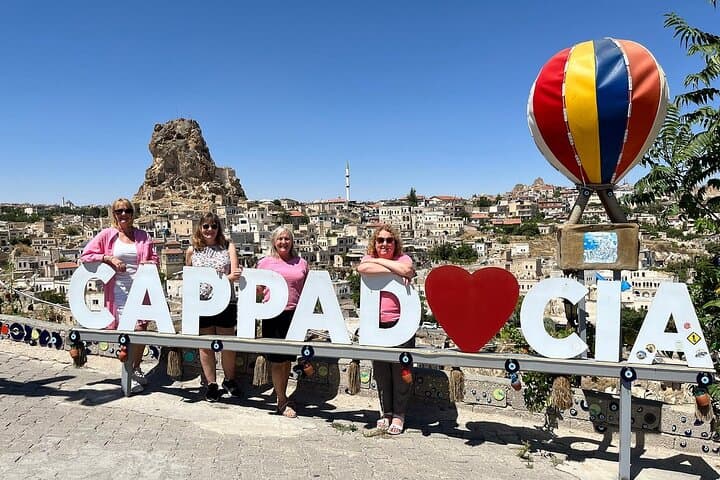
This nine-day circuit stitches Turkey’s major highlights into a practical, small-group itinerary that favors regional character over cookie-cutter stops. Istanbul’s Hagia Sophia and Topkapi Palace articulate Byzantine and Ottoman power—mosaics and imperial councils left their traces—while the Grand Bazaar and local ceramic studios continue Anatolia’s 4,000-year craft legacy. Cappadocia, carved from volcanic tuff, tells a different story: communities dug outward and downward, producing underground cities and cave churches whose frescoes date from the 9th century onward.
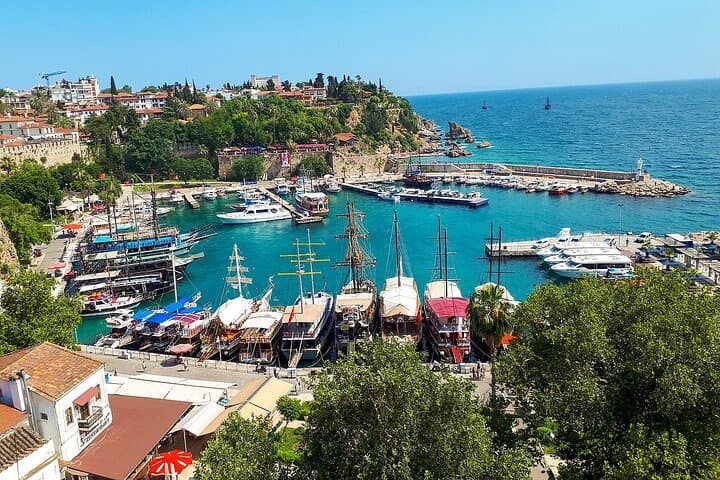
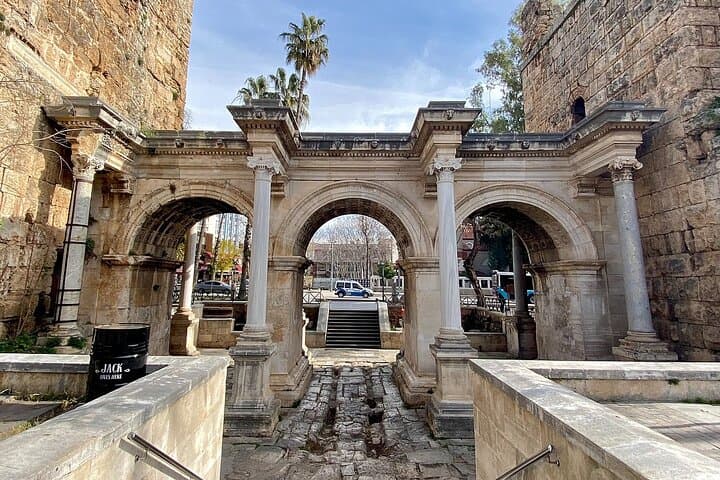
Antalya delivers coastal contrast: pine-clad mountains that drop to a turquoise Mediterranean, with a cable car that climbs Tunektepe to 1,365 m for a “sea to sky” view. Pamukkale’s calcium-rich thermal springs flow at about 35°C, building white travertine terraces that have drawn visitors since antiquity; nearby Hierapolis preserves Roman baths and an expansive necropolis. Ephesus stands as one of the best-preserved Roman urban plans in the eastern Mediterranean—its monumental library and theater make the city easy to envision at its imperial peak.
Practical edge: the tour moves by domestic flights to save time—tickets include 25 kg checked and 8 kg cabin luggage. Group sizes are small (max 15), and the accommodations emphasize regional character: expect cave hotels in Cappadocia and centrally located city hotels elsewhere. Entry fees are not included, though guides carry pre-paid skip-the-line tickets; hot-air balloon flights in Cappadocia are optional and not included in the price.
What you’ll need on the ground: comfortable, broken-in walking shoes for ancient marble, a lightweight daypack, layered clothing for variable temperatures (coastal heat and inland chills at dawn), and cash in Turkish lira for small purchases and local eateries. Plan early starts in Cappadocia for sunrise vistas and tack on an extra day if you want a balloon flight.
This itinerary is both an orientation to Turkey’s major cultural monuments and a practical route through contrasting landscapes: city sprawl, volcanic valleys, Mediterranean cliffs, and thermal plateaus. It moves with purpose—history in the morning, geology in the afternoon—and leaves space for the local flavors that make travel memorable.
moderate.
9 days.
Moderate fitness: able to walk several hours some days and climb stairs and uneven terrain.
Yes—economic-class domestic flights between destinations are included and come with 25 kg checked and 8 kg cabin baggage allowance.
No; the balloon flight is optional and not included. The provider can book it in advance at extra cost—availability varies by season.
Entry tickets are excluded. Guides carry pre-paid skip-the-line tickets and can collect the cost in cash (TRY, EUR, or USD) during the tour.
The tour requires moderate fitness—expect multi-hour walking days, steps at archaeological sites, and uneven terrain in valleys and ancient cities.
Yes—each city offers pockets of free time for independent exploration, shopping, or relaxing at your hotel.
The tour includes professional licensed local guides; confirm the language when booking to ensure your preferred tongue is available.
This route traces Anatolia’s long human story—from Roman Ephesus and Byzantine Istanbul to the cave-dwelling communities of Cappadocia carved into volcanic tuff.
Visitor impact is managed at UNESCO and national sites—respect pathways at Pamukkale to protect fragile travertines and follow local guidelines in sensitive archaeological zones.
Tour Altinkum Travel operates guided outdoor trips and adventures with an emphasis on safety, stewardship, and memorable experiences.
You step out of the airport into a city that has carried empires on its shoulders. In Istanbul the domes and minarets puncture the sky like punctuation marks, and your first walk—through the Sultanahmet district—feels like turning pages in a history book. Later, a short flight pulls you inland: Cappadocia’s moonscape opens with chimneys and honeycombed rock that seem to have grown from some patient, geological hand. Waves of travertine at Pamukkale glitter like a pale river of stone. Along the Aegean, Ephesus offers streets where marble still remembers the soles that trod them.
You step out of the airport into a city that has carried empires on its shoulders. In Istanbul the domes and minarets puncture the sky like punctuation marks, and your first walk—through the Sultanahmet district—feels like turning pages in a history book. Later, a short flight pulls you inland: Cappadocia’s moonscape opens with chimneys and honeycombed rock that seem to have grown from some patient, geological hand. Waves of travertine at Pamukkale glitter like a pale river of stone. Along the Aegean, Ephesus offers streets where marble still remembers the soles that trod them.
This nine-day circuit stitches Turkey’s major highlights into a practical, small-group itinerary that favors regional character over cookie-cutter stops. Istanbul’s Hagia Sophia and Topkapi Palace articulate Byzantine and Ottoman power—mosaics and imperial councils left their traces—while the Grand Bazaar and local ceramic studios continue Anatolia’s 4,000-year craft legacy. Cappadocia, carved from volcanic tuff, tells a different story: communities dug outward and downward, producing underground cities and cave churches whose frescoes date from the 9th century onward.
Antalya delivers coastal contrast: pine-clad mountains that drop to a turquoise Mediterranean, with a cable car that climbs Tunektepe to 1,365 m for a “sea to sky” view. Pamukkale’s calcium-rich thermal springs flow at about 35°C, building white travertine terraces that have drawn visitors since antiquity; nearby Hierapolis preserves Roman baths and an expansive necropolis. Ephesus stands as one of the best-preserved Roman urban plans in the eastern Mediterranean—its monumental library and theater make the city easy to envision at its imperial peak.
Practical edge: the tour moves by domestic flights to save time—tickets include 25 kg checked and 8 kg cabin luggage. Group sizes are small (max 15), and the accommodations emphasize regional character: expect cave hotels in Cappadocia and centrally located city hotels elsewhere. Entry fees are not included, though guides carry pre-paid skip-the-line tickets; hot-air balloon flights in Cappadocia are optional and not included in the price.
What you’ll need on the ground: comfortable, broken-in walking shoes for ancient marble, a lightweight daypack, layered clothing for variable temperatures (coastal heat and inland chills at dawn), and cash in Turkish lira for small purchases and local eateries. Plan early starts in Cappadocia for sunrise vistas and tack on an extra day if you want a balloon flight.
This itinerary is both an orientation to Turkey’s major cultural monuments and a practical route through contrasting landscapes: city sprawl, volcanic valleys, Mediterranean cliffs, and thermal plateaus. It moves with purpose—history in the morning, geology in the afternoon—and leaves space for the local flavors that make travel memorable.