THE ADVENTURE COLLECTIVE® · Independent discovery and booking for outdoor travel

A brisk two-day loop from Istanbul that pairs the marble streets of Ephesus with the chalk-white travertines of Pamukkale. Expect early flights, heavy walking on uneven surfaces, and intimate encounters with Roman and Roman-era thermal heritage.
A brisk two-day loop from Istanbul that pairs the marble streets of Ephesus with the chalk-white travertines of Pamukkale. Expect early flights, heavy walking on uneven surfaces, and intimate encounters with Roman and Roman-era thermal heritage.
You step off an early flight into sun-thinned air and the driver eases the curtains of the minivan aside — the road unfurls toward a coastline that once carried marble and olive oil to Rome. On day one the stone of Ephesus greets you: wide marble streets, the theater that once held 25,000, and the Celsus Library’s carved façade catching light like a pale, patient face.
Verified experiences and guided adventures in the surrounding area.
Operated by Puerto Travel Turkey · Selçuk, İzmir
You step off an early flight into sun-thinned air and the driver eases the curtains of the minivan aside — the road unfurls toward a coastline that once carried marble and olive oil to Rome. On day one the stone of Ephesus greets you: wide marble streets, the theater that once held 25,000, and the Celsus Library’s carved façade catching light like a pale, patient face.
Ephesus was a Roman imperial hub and site of the Temple of Artemis, one of the ancient world’s wonders. The Terrace Houses give a domestic counterpoint, showing the private lives behind public monuments. By evening you’ll lodge in Kusadasi, a port town that still smells faintly of citrus and sea.
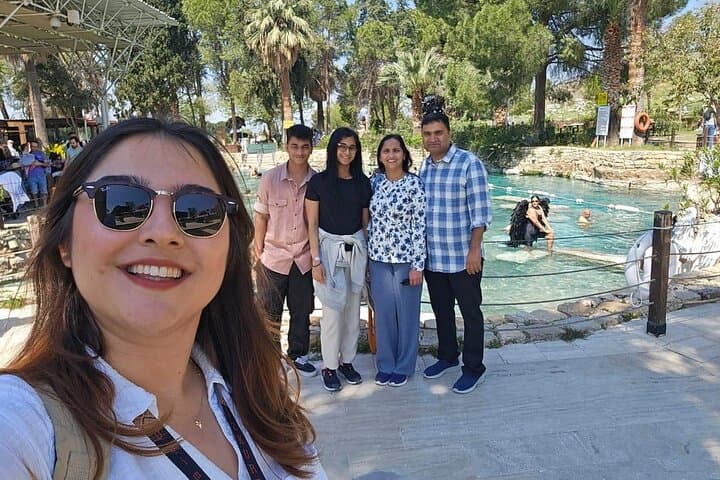
Day two moves inland to Pamukkale, where thermal waters have built white travertine shelves over millennia. The terraces push and shimmer, mineral currents daring you forward while Hierapolis’s theater and necropolis reveal the region’s role as a healing center under Roman rule.
Practical edge: expect a lot of walking on uneven stone and, at Pamukkale, on wet calcium formations; sandals aren’t ideal. Domestic flights and hotel nights are scheduled into the itinerary, so pack a light overnight bag and plan for early departures. Bring cash for optional site fees (Antique Pool), modest clothing for religious sites, and refillable water — the Anatolian sun is persistent. This two-day loop compresses major cultural landmarks and a geological wonder into an efficient, on-the-ground experience that blends archaeology with the raw choreography of water and stone.
moderate.
2 days.
Suitable for travelers in moderate shape—able to walk several hours over uneven stone, climb stairs, and handle short hikes on wet calcified surfaces.
Yes—the itinerary schedules domestic flights (Istanbul–Izmir and Denizli–Istanbul) into the two-day plan, but confirm seating and baggage allowances with the operator before travel.
Admissions are typically handled on-site; check with the tour provider which entrance fees are included and whether the Antique Pool requires an extra ticket.
Public access to certain terraces is restricted to protect formations; designated areas allow barefoot wading, while the Antique Pool is a paid facility for swimming around submerged ruins.
Expect multiple hours of walking each day over uneven marble or wet calcified surfaces with staircases—good mobility and steady footwear are recommended.
Ephesus was a major Roman port and religious center; Hierapolis grew around thermal springs and served as an ancient spa and necropolis.
Pamukkale’s travertines are fragile and managed under UNESCO protections—visitors must follow boardwalks and site rules to prevent erosion and mineral damage.
Puerto Travel Turkey operates guided outdoor trips and adventures with an emphasis on safety, stewardship, and memorable experiences.
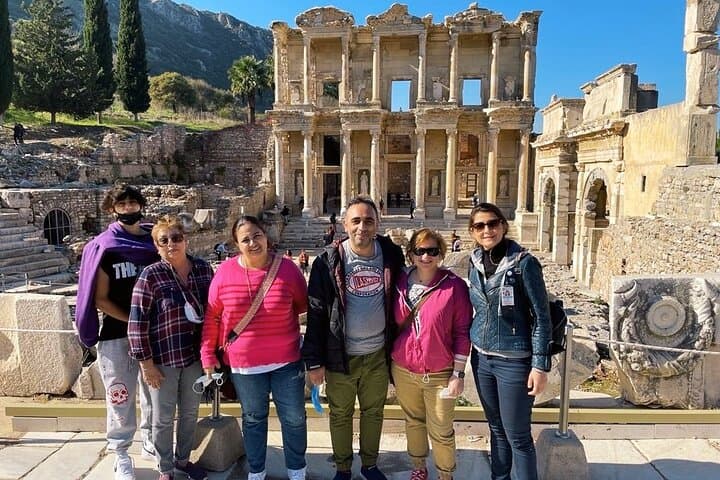
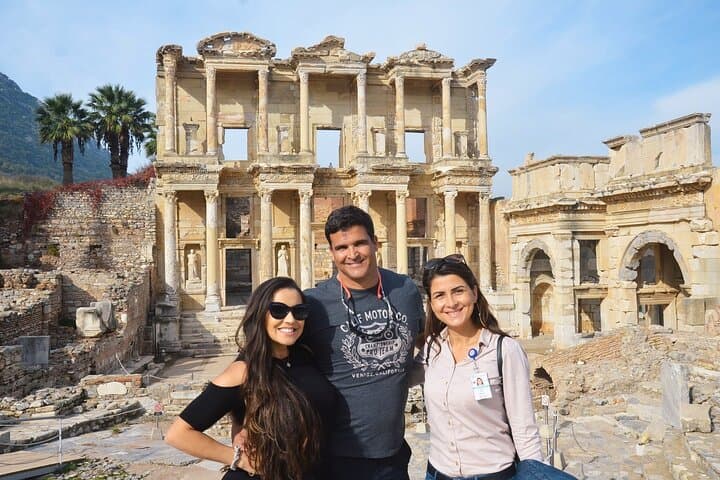
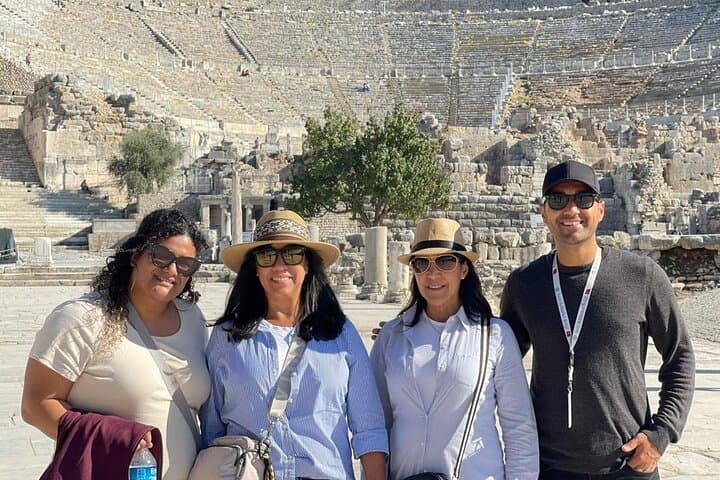
You step off an early flight into sun-thinned air and the driver eases the curtains of the minivan aside — the road unfurls toward a coastline that once carried marble and olive oil to Rome. On day one the stone of Ephesus greets you: wide marble streets, the theater that once held 25,000, and the Celsus Library’s carved façade catching light like a pale, patient face.
You step off an early flight into sun-thinned air and the driver eases the curtains of the minivan aside — the road unfurls toward a coastline that once carried marble and olive oil to Rome. On day one the stone of Ephesus greets you: wide marble streets, the theater that once held 25,000, and the Celsus Library’s carved façade catching light like a pale, patient face.
Ephesus was a Roman imperial hub and site of the Temple of Artemis, one of the ancient world’s wonders. The Terrace Houses give a domestic counterpoint, showing the private lives behind public monuments. By evening you’ll lodge in Kusadasi, a port town that still smells faintly of citrus and sea.
Day two moves inland to Pamukkale, where thermal waters have built white travertine shelves over millennia. The terraces push and shimmer, mineral currents daring you forward while Hierapolis’s theater and necropolis reveal the region’s role as a healing center under Roman rule.
Practical edge: expect a lot of walking on uneven stone and, at Pamukkale, on wet calcium formations; sandals aren’t ideal. Domestic flights and hotel nights are scheduled into the itinerary, so pack a light overnight bag and plan for early departures. Bring cash for optional site fees (Antique Pool), modest clothing for religious sites, and refillable water — the Anatolian sun is persistent. This two-day loop compresses major cultural landmarks and a geological wonder into an efficient, on-the-ground experience that blends archaeology with the raw choreography of water and stone.