THE ADVENTURE COLLECTIVE® · Independent discovery and booking for outdoor travel

Walk Roman avenues and sip village-made fruit wines on this shore-friendly day trip from Kuşadası. Visit Ephesus’s iconic ruins, enjoy a traditional Turkish lunch, and unwind in Şirince — with an optional hammam before you return to the ship.
Walk Roman avenues and sip village-made fruit wines on this shore-friendly day trip from Kuşadası. Visit Ephesus’s iconic ruins, enjoy a traditional Turkish lunch, and unwind in Şirince — with an optional hammam before you return to the ship.
You step off the tender and the Aegean wind pushes away the ship’s hum. Within an hour you’re walking a wide marble street in Ephesus; sunlight angles across the façade of the Library of Celsus and the theatre’s tiers rise like a carved amphitheater holding Roman voices. The city opens as a sequence of architectural moments — columns, mosaics, and worn stone steps that still remember procession and proclamation.
Verified experiences and guided adventures in the surrounding area.
Operated by SeaDrop Travel · Kuşadası, Aydın Province
You step off the tender and the Aegean wind pushes away the ship’s hum. Within an hour you’re walking a wide marble street in Ephesus; sunlight angles across the façade of the Library of Celsus and the theatre’s tiers rise like a carved amphitheater holding Roman voices. The city opens as a sequence of architectural moments — columns, mosaics, and worn stone steps that still remember procession and proclamation.
Ephesus grew from an Ionian trading port to a Roman metropolis, its streets cut into limestone terraces and packed with imported marble. Geology here matters: the surrounding hills drain to a once-busy harbor now reclaimed by silt, leaving ruins perched above fertile plains that feed olive groves and orchards. Şirince, by contrast, is small-scale Aegean life — whitewashed stone houses, narrow lanes, and a culture shaped by Greek-speaking inhabitants prior to the 20th century population exchanges.
Expect two to three kilometers of walking on uneven, ancient paving with several stair sections at the theatre and terrace houses. Time your visit to avoid midday heat, carry water, and wear sturdy shoes; the guided tour typically includes a traditional Turkish lunch and an optional hammam for weary travelers.
Practical details: admission to Ephesus is usually separate, so budget for tickets; bring sun protection and modest clothing if visiting religious sites. Allow extra time in Şirince to sample fruit wines and small-batch olive oil — these are local specialties worth tasting before the guaranteed return to your ship.
easy.
6 hours.
Suitable for most travelers who can handle several hours of walking on uneven ground; minimal elevation change but multiple steps.
Admission is commonly not included in shore excursions; check your booking details and budget for the site ticket if it’s not covered.
The route is family-friendly but Ephesus has uneven paving and steps; infants can ride in a stroller but many areas require carrying the stroller or using a baby carrier.
Yes — Şirince is known for homemade fruit wines with tasting opportunities, usually informal and wallet-friendly.
A traditional hammam includes sauna time, a kese scrub, and a foam massage; it’s an add-on and may require modesty considerations and time allocations.
Ephesus was a major Ionian port that reached its peak under Roman rule; the Temple of Artemis once made the city famous across the Mediterranean.
Archaeological preservation is ongoing — stick to marked paths, avoid touching mosaics, and support local guides who follow site regulations.
SeaDrop Travel operates guided outdoor trips and adventures with an emphasis on safety, stewardship, and memorable experiences.
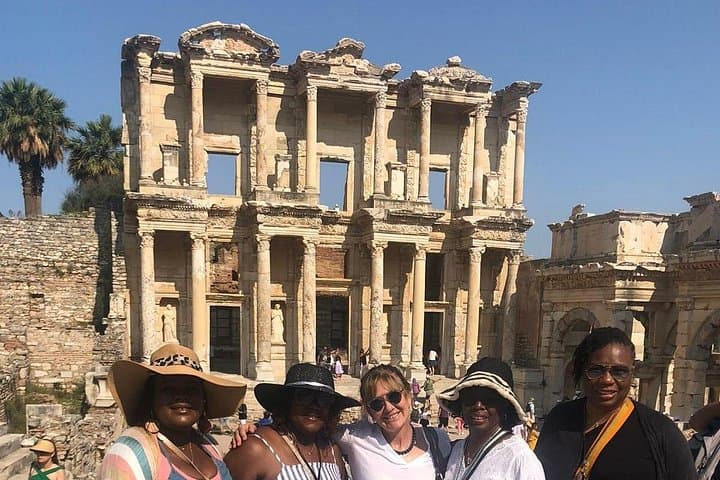
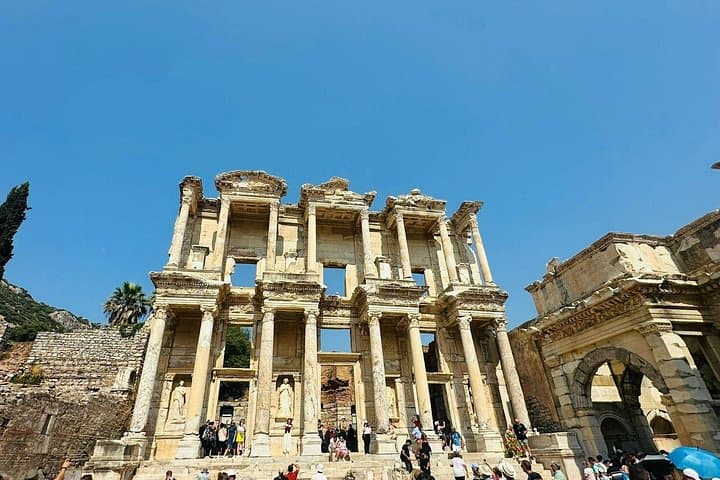
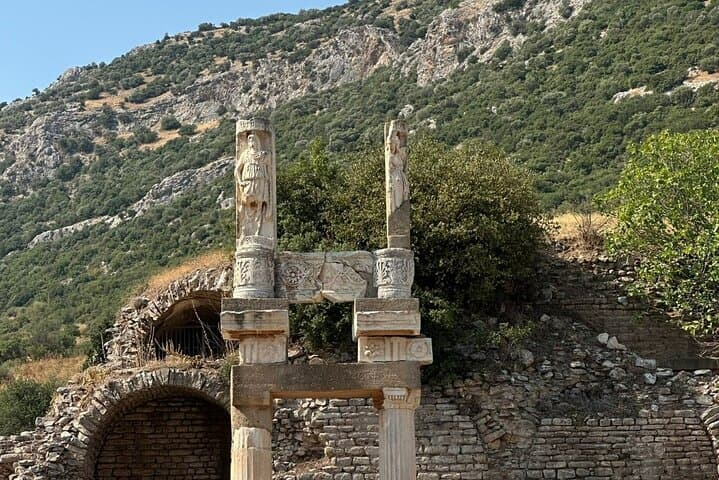
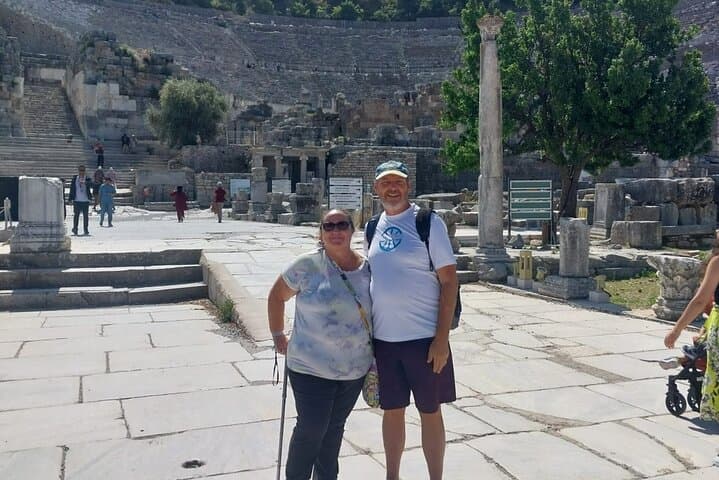
You step off the tender and the Aegean wind pushes away the ship’s hum. Within an hour you’re walking a wide marble street in Ephesus; sunlight angles across the façade of the Library of Celsus and the theatre’s tiers rise like a carved amphitheater holding Roman voices. The city opens as a sequence of architectural moments — columns, mosaics, and worn stone steps that still remember procession and proclamation.
You step off the tender and the Aegean wind pushes away the ship’s hum. Within an hour you’re walking a wide marble street in Ephesus; sunlight angles across the façade of the Library of Celsus and the theatre’s tiers rise like a carved amphitheater holding Roman voices. The city opens as a sequence of architectural moments — columns, mosaics, and worn stone steps that still remember procession and proclamation.
Ephesus grew from an Ionian trading port to a Roman metropolis, its streets cut into limestone terraces and packed with imported marble. Geology here matters: the surrounding hills drain to a once-busy harbor now reclaimed by silt, leaving ruins perched above fertile plains that feed olive groves and orchards. Şirince, by contrast, is small-scale Aegean life — whitewashed stone houses, narrow lanes, and a culture shaped by Greek-speaking inhabitants prior to the 20th century population exchanges.
Expect two to three kilometers of walking on uneven, ancient paving with several stair sections at the theatre and terrace houses. Time your visit to avoid midday heat, carry water, and wear sturdy shoes; the guided tour typically includes a traditional Turkish lunch and an optional hammam for weary travelers.
Practical details: admission to Ephesus is usually separate, so budget for tickets; bring sun protection and modest clothing if visiting religious sites. Allow extra time in Şirince to sample fruit wines and small-batch olive oil — these are local specialties worth tasting before the guaranteed return to your ship.