THE ADVENTURE COLLECTIVE® · Independent discovery and booking for outdoor travel

Walk the marble streets of Ephesus with a private guide, savor a local lunch, and choose a restorative Turkish bath afterward. This shore excursion blends archaeological highlights with cultural stops and guaranteed on-time return to your ship.
Walk the marble streets of Ephesus with a private guide, savor a local lunch, and choose a restorative Turkish bath afterward. This shore excursion blends archaeological highlights with cultural stops and guaranteed on-time return to your ship.
Sunlight slants across the marble street as the guide pauses beneath the carved façade of the Library of Celsus. Stones here still hold the imprint of a thousand footsteps; gulls and a distant Aegean breeze remind visitors they’re walking where Roman processions once passed.
Verified experiences and guided adventures in the surrounding area.
Operated by SeaDrop Travel · Selçuk, Aydın
Sunlight slants across the marble street as the guide pauses beneath the carved façade of the Library of Celsus. Stones here still hold the imprint of a thousand footsteps; gulls and a distant Aegean breeze remind visitors they’re walking where Roman processions once passed.
Ephesus sits on a limestone shelf formed where rivers once emptied into a wide gulf—over millennia sediment shifted the coast and left the city inland. Founded in the Bronze Age and rebuilt under Roman rule, its theatre, marble roads, and the remains of the Temple of Artemis speak to commerce, religion, and crossroad cultures that shaped Anatolia. Nearby Selçuk and the Ottoman caravanserai at the harbor highlight later layers of trade and architecture.
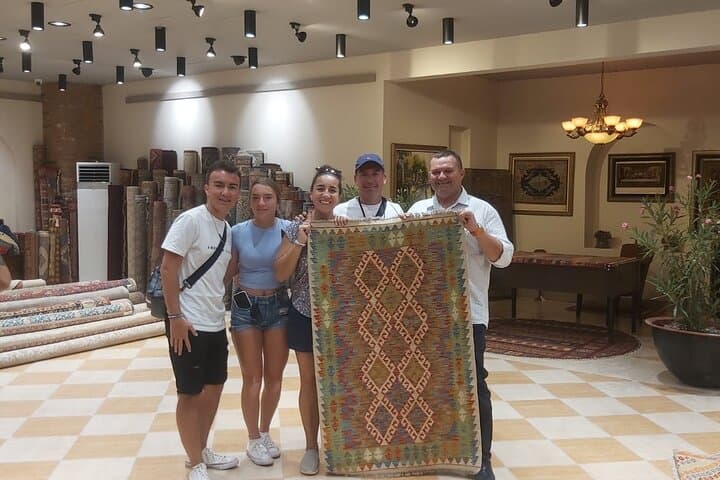
Culturally, a tour combines archaeology with everyday Turkish life: a market lunch of mezzes and grilled fish, a visit to local cooperatives, and the option of a hammam to shed the day’s dust. Conservation is visible—rope lines, restored facades, and clear signage—but the site still requires care: uneven stones, occasional loose steps, and exposed sun.
Practical guidance: expect 2–3 miles of walking on cobbles and packed earth over roughly 5–6 hours. Wear supportive shoes with good grip, sun protection, and a light layer for seaside breezes. Bring water and a compact daypack; plan arrivals early in summer to avoid heat and cruise crowds. Respect ropes and signage, and budget time if you add the traditional Turkish bath—the perfect way to end a day of history.
easy.
5–6 hours.
Basic walking fitness; comfortable walking 2–3 miles on uneven surfaces and handling steps.
Admission to Ephesus is typically not included in this itinerary—confirm at booking and bring local currency or card for entrance fees if necessary.
Yes—this private shore excursion includes pick-up and drop-off from Kuşadası port with guaranteed on-time return.
Expect about 2 hours of guided exploration within Ephesus as part of the roughly 5–6 hour total excursion.
The traditional hammam is optional and usually offered as an add-on; check at booking to confirm availability and price.
Ephesus flourished under Roman rule; its Library of Celsus and massive theatre reflect a city that served as a provincial capital, trade hub, and religious center for centuries.
Ephesus is a protected UNESCO site—stay on marked paths, avoid touching fragile reliefs, and support local guides who fund preservation efforts.
SeaDrop Travel operates guided outdoor trips and adventures with an emphasis on safety, stewardship, and memorable experiences.
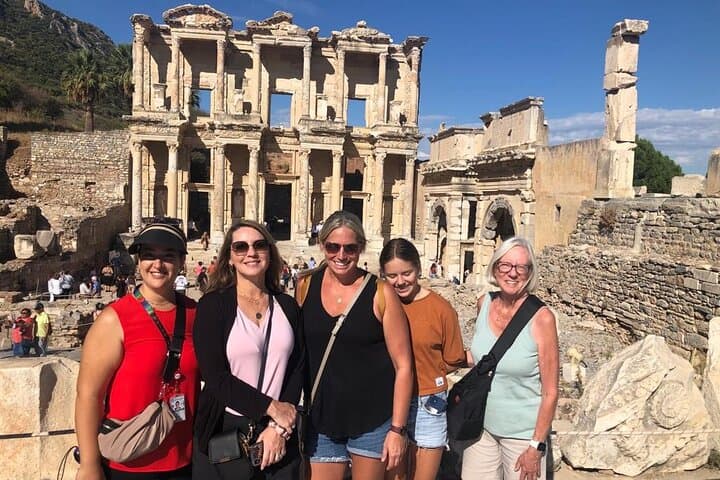
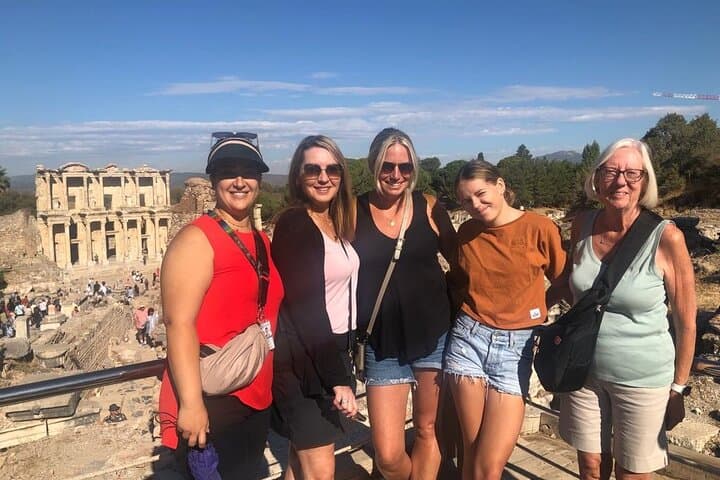
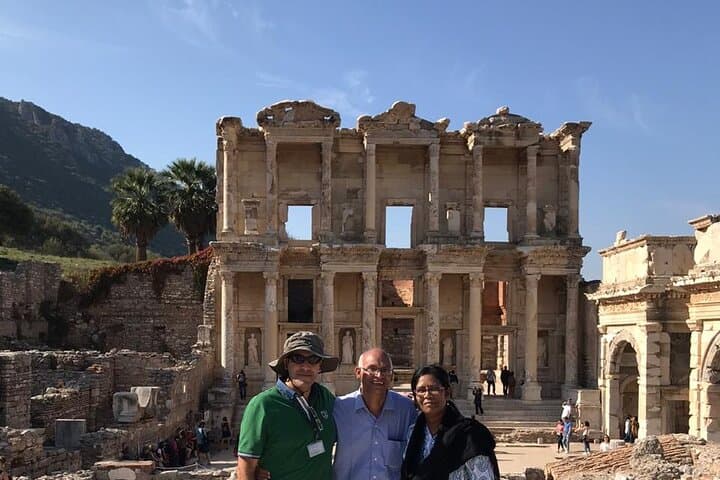
Sunlight slants across the marble street as the guide pauses beneath the carved façade of the Library of Celsus. Stones here still hold the imprint of a thousand footsteps; gulls and a distant Aegean breeze remind visitors they’re walking where Roman processions once passed.
Sunlight slants across the marble street as the guide pauses beneath the carved façade of the Library of Celsus. Stones here still hold the imprint of a thousand footsteps; gulls and a distant Aegean breeze remind visitors they’re walking where Roman processions once passed.
Ephesus sits on a limestone shelf formed where rivers once emptied into a wide gulf—over millennia sediment shifted the coast and left the city inland. Founded in the Bronze Age and rebuilt under Roman rule, its theatre, marble roads, and the remains of the Temple of Artemis speak to commerce, religion, and crossroad cultures that shaped Anatolia. Nearby Selçuk and the Ottoman caravanserai at the harbor highlight later layers of trade and architecture.
Culturally, a tour combines archaeology with everyday Turkish life: a market lunch of mezzes and grilled fish, a visit to local cooperatives, and the option of a hammam to shed the day’s dust. Conservation is visible—rope lines, restored facades, and clear signage—but the site still requires care: uneven stones, occasional loose steps, and exposed sun.
Practical guidance: expect 2–3 miles of walking on cobbles and packed earth over roughly 5–6 hours. Wear supportive shoes with good grip, sun protection, and a light layer for seaside breezes. Bring water and a compact daypack; plan arrivals early in summer to avoid heat and cruise crowds. Respect ropes and signage, and budget time if you add the traditional Turkish bath—the perfect way to end a day of history.