THE ADVENTURE COLLECTIVE® · Independent discovery and booking for outdoor travel

A full-day Kuşadası shore excursion that pairs quieter Magnesia and a hilltop pilgrimage at the House of the Virgin Mary with the marble grandeur of Ephesus. Includes a traditional Aegean lunch and an optional Turkish bath for post-excursion relaxation.
A full-day Kuşadası shore excursion that pairs quieter Magnesia and a hilltop pilgrimage at the House of the Virgin Mary with the marble grandeur of Ephesus. Includes a traditional Aegean lunch and an optional Turkish bath for post-excursion relaxation.
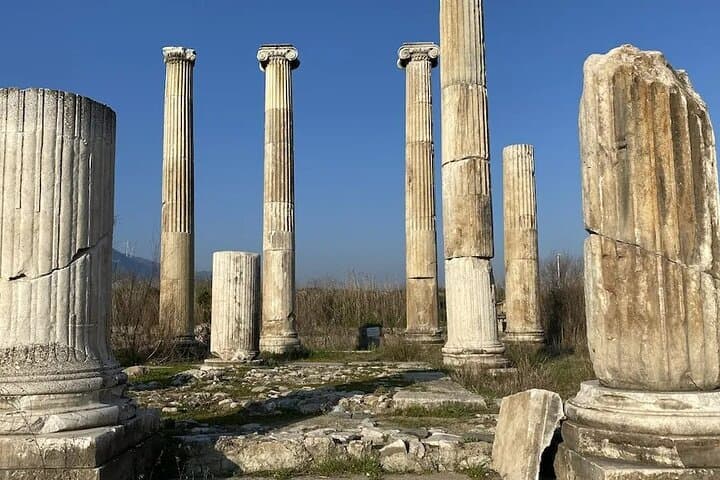
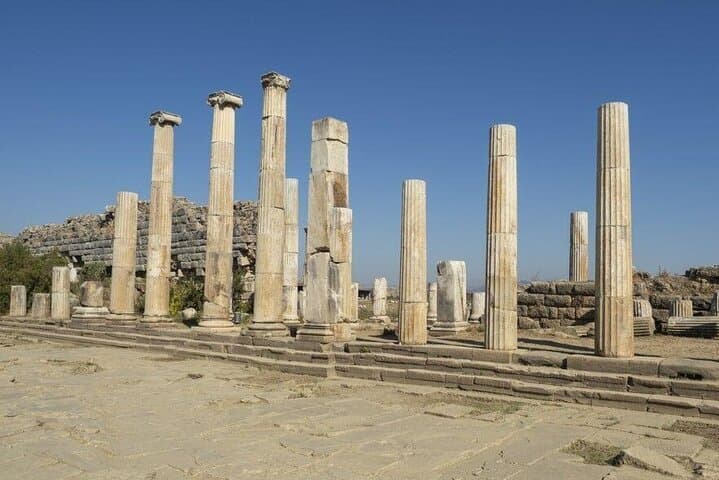
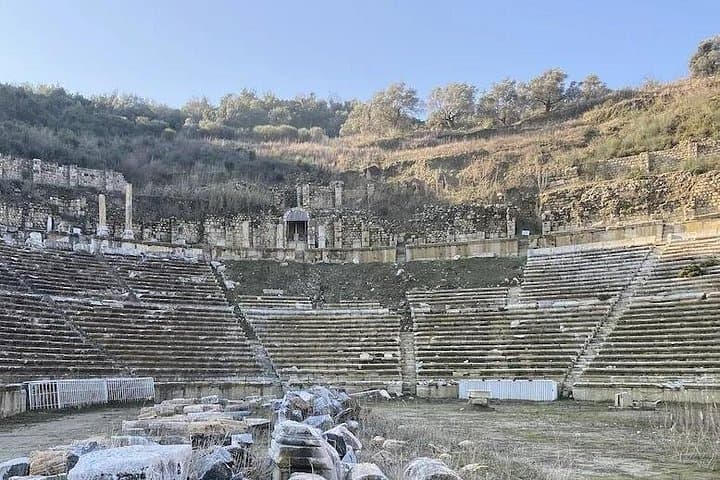
A warm Aegean breeze meets marble and pine as you step off the ship at Kuşadası and into a day that stitches together empire, faith, and quiet ruins. The tour moves with a deliberate rhythm: first Magnesia’s low-slung stone stadium where the echoes of chariot races still feel imaginable, then the hush of the House of the Virgin Mary on a hill that asks for a softer pace, and finally the grand avenues and theater of Ephesus, where marble steps slope toward the sea.
Verified experiences and guided adventures in the surrounding area.
Operated by SeaDrop Travel · Selçuk, Aydın
A warm Aegean breeze meets marble and pine as you step off the ship at Kuşadası and into a day that stitches together empire, faith, and quiet ruins. The tour moves with a deliberate rhythm: first Magnesia’s low-slung stone stadium where the echoes of chariot races still feel imaginable, then the hush of the House of the Virgin Mary on a hill that asks for a softer pace, and finally the grand avenues and theater of Ephesus, where marble steps slope toward the sea.
These sites span epochs — Hellenistic foundations overlaid by Roman civic life, and a later Christian reverence that turned a modest stone cottage into a living pilgrimage. Geology here is part of the story: limestone ridges and the Meander plain shaped settlement patterns and trade routes, while silted riverbeds shifted coastlines over centuries.
Culturally, expect a mix of archaeological interpretation and local texture: small carpet and leather workshops, a traditional Aegean lunch, and the chance for a restorative hammam. Guides connect stones to stories, and local vendors offer regional olive oil and figs.
Practically: wear sturdy walking shoes for uneven marble streets, carry sun protection and water, and plan for a full 6–7 hour shore excursion with short drives between stops. The House of the Virgin Mary is a pilgrimage site with steps; Ephesus involves extended walking on ancient pavements. If you add the hammam, allow an extra hour for the scrub and massage. For cruise travelers this itinerary delivers concentrated history and a pragmatic balance of exploration and comfort.
easy.
6–7 hours.
Suitable for travelers in average physical condition; requires walking on uneven surfaces and climbing steps.
The excursion runs about 6–7 hours with guaranteed on-time return to the ship; exact timing depends on pier procedures and traffic.
This itinerary often includes guided visits and transportation; confirm whether archaeological site admissions are covered at booking as policies vary.
The House of the Virgin Mary has stepped approaches and limited wheelchair access; notify the operator in advance to arrange assistance.
A traditional hammam includes sauna time, a kese scrub, and a foam massage; expect about 45–60 minutes for the basic treatment, longer for extended packages.
Ephesus was a major Roman port and provincial capital famous for the Temple of Artemis; the House of the Virgin Mary became a recognized pilgrimage site after 19th-century identifications and a papal visit in 1967.
Archaeological conservation balances tourism with preservation—stay on marked paths, avoid touching reliefs, and support local guides who fund site upkeep.
SeaDrop Travel operates guided outdoor trips and adventures with an emphasis on safety, stewardship, and memorable experiences.
A warm Aegean breeze meets marble and pine as you step off the ship at Kuşadası and into a day that stitches together empire, faith, and quiet ruins. The tour moves with a deliberate rhythm: first Magnesia’s low-slung stone stadium where the echoes of chariot races still feel imaginable, then the hush of the House of the Virgin Mary on a hill that asks for a softer pace, and finally the grand avenues and theater of Ephesus, where marble steps slope toward the sea.
A warm Aegean breeze meets marble and pine as you step off the ship at Kuşadası and into a day that stitches together empire, faith, and quiet ruins. The tour moves with a deliberate rhythm: first Magnesia’s low-slung stone stadium where the echoes of chariot races still feel imaginable, then the hush of the House of the Virgin Mary on a hill that asks for a softer pace, and finally the grand avenues and theater of Ephesus, where marble steps slope toward the sea.
These sites span epochs — Hellenistic foundations overlaid by Roman civic life, and a later Christian reverence that turned a modest stone cottage into a living pilgrimage. Geology here is part of the story: limestone ridges and the Meander plain shaped settlement patterns and trade routes, while silted riverbeds shifted coastlines over centuries.
Culturally, expect a mix of archaeological interpretation and local texture: small carpet and leather workshops, a traditional Aegean lunch, and the chance for a restorative hammam. Guides connect stones to stories, and local vendors offer regional olive oil and figs.
Practically: wear sturdy walking shoes for uneven marble streets, carry sun protection and water, and plan for a full 6–7 hour shore excursion with short drives between stops. The House of the Virgin Mary is a pilgrimage site with steps; Ephesus involves extended walking on ancient pavements. If you add the hammam, allow an extra hour for the scrub and massage. For cruise travelers this itinerary delivers concentrated history and a pragmatic balance of exploration and comfort.