THE ADVENTURE COLLECTIVE® · Independent discovery and booking for outdoor travel

From Kusadası cruise port, this private four-hour shopping tour showcases Turkish craftsmanship — watch Gördes double-knot carpet weaving, a leather fashion presentation, and Hittite-rooted pottery. Practical tips and export guidance help you shop confidently.
From Kusadası cruise port, this private four-hour shopping tour showcases Turkish craftsmanship — watch Gördes double-knot carpet weaving, a leather fashion presentation, and Hittite-rooted pottery. Practical tips and export guidance help you shop confidently.
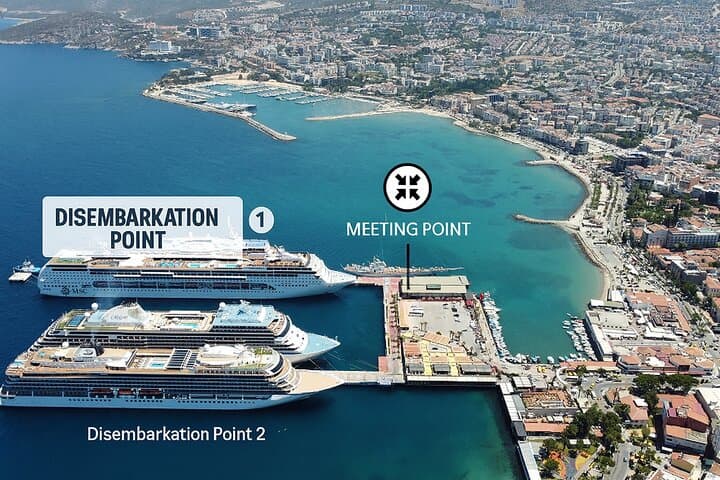
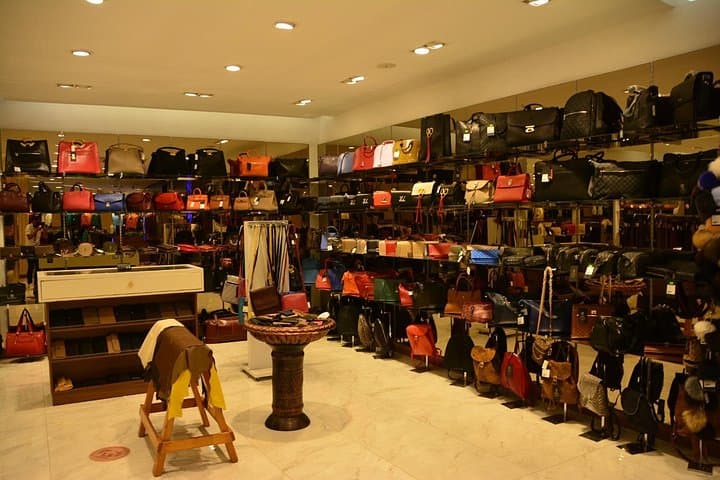
You step off the ship into the bright Aegean air, the port’s breeze nudging you toward narrow alleys and sun-warmed workshops where craft is practiced like a conversation. Over four hours a private guide moves you between a leather atelier, a carpet-weaving school, a pottery studio and a jewellery shop — each space alive with the tactile rhythms of handwork.
Verified experiences and guided adventures in the surrounding area.
Operated by Guide of Ephesus · Kuşadası, Aydın
You step off the ship into the bright Aegean air, the port’s breeze nudging you toward narrow alleys and sun-warmed workshops where craft is practiced like a conversation. Over four hours a private guide moves you between a leather atelier, a carpet-weaving school, a pottery studio and a jewellery shop — each space alive with the tactile rhythms of handwork.
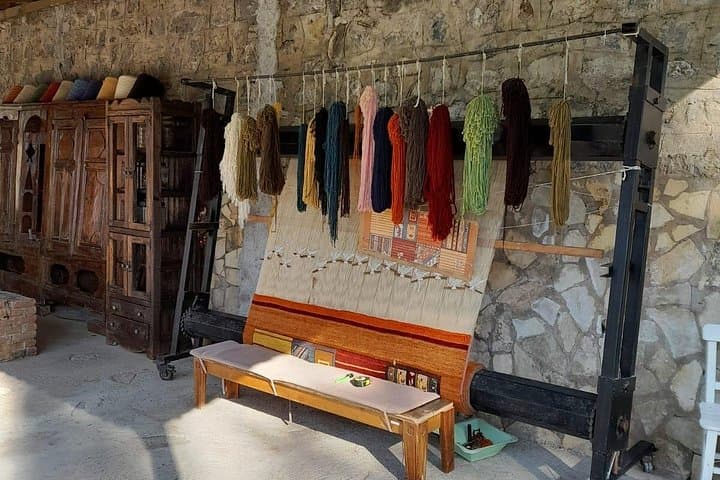
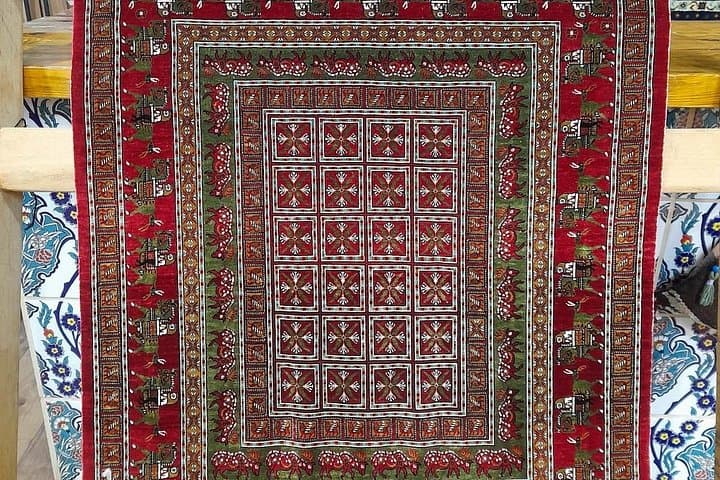
Carpet weaving here preserves the Gördes double-knot, a technique that gives Turkish rugs their density and longevity; lamb leather has been prized in Anatolia since Roman times for its softness; pottery traces local clay traditions back to Hittite eras. Geological layers of alluvial Aegean soil supply the fine clays used by potters, while trade routes across the Aegean shaped the region’s stylistic vocabulary.
Culturally this is a people-first experience: artisans explain motifs, measurements and finishing; a short fashion presentation demonstrates how modern Turkish leather adapts ancient skill. Expect lively interactions, the practical reality of export paperwork, and opportunities to purchase directly from makers — often at better value than boutiques in town.
Practical guidance: the tour runs about four hours and suits most mobility levels; comfortable walking shoes and a plan for purchases (measurements, shipping, VAT refund) make the day smoother. Bring a mix of cash and card, allow extra time for trying on items, and confirm port return timing with your guide. You’ll leave with souvenirs that carry the fingerprints of a craft economy — and a much clearer understanding of how these traditions survive in a modern tourist landscape.
easy.
4 hours.
Minimal fitness required; mostly standing and short walks inside workshops and showrooms
Yes — the itinerary is designed for port calls with private transfers and returns; confirm your ship’s arrival/departure times when booking and allow a 30-minute buffer before reboarding.
Bargaining is common but courteous; many artisan centers have fixed pricing for export-quality goods, while smaller items may be negotiable.
Many vendors offer international shipping and can arrange packing; always request written shipping quotes, insurance, and customs documentation before purchase.
Lunch at the weaving center is included; notify the operator of dietary restrictions when booking so the caterer can accommodate you.
The region around Kuşadası and Ephesus has been a crossroads since antiquity; local crafts reflect layers from Hittite pottery traditions to Ottoman textile trade.
Many studios use locally sourced clay and natural dyes; ask vendors about sustainable materials and shipping practices to support environmentally conscious artisans.
Guide of Ephesus operates guided outdoor trips and adventures with an emphasis on safety, stewardship, and memorable experiences.
You step off the ship into the bright Aegean air, the port’s breeze nudging you toward narrow alleys and sun-warmed workshops where craft is practiced like a conversation. Over four hours a private guide moves you between a leather atelier, a carpet-weaving school, a pottery studio and a jewellery shop — each space alive with the tactile rhythms of handwork.
You step off the ship into the bright Aegean air, the port’s breeze nudging you toward narrow alleys and sun-warmed workshops where craft is practiced like a conversation. Over four hours a private guide moves you between a leather atelier, a carpet-weaving school, a pottery studio and a jewellery shop — each space alive with the tactile rhythms of handwork.
Carpet weaving here preserves the Gördes double-knot, a technique that gives Turkish rugs their density and longevity; lamb leather has been prized in Anatolia since Roman times for its softness; pottery traces local clay traditions back to Hittite eras. Geological layers of alluvial Aegean soil supply the fine clays used by potters, while trade routes across the Aegean shaped the region’s stylistic vocabulary.
Culturally this is a people-first experience: artisans explain motifs, measurements and finishing; a short fashion presentation demonstrates how modern Turkish leather adapts ancient skill. Expect lively interactions, the practical reality of export paperwork, and opportunities to purchase directly from makers — often at better value than boutiques in town.
Practical guidance: the tour runs about four hours and suits most mobility levels; comfortable walking shoes and a plan for purchases (measurements, shipping, VAT refund) make the day smoother. Bring a mix of cash and card, allow extra time for trying on items, and confirm port return timing with your guide. You’ll leave with souvenirs that carry the fingerprints of a craft economy — and a much clearer understanding of how these traditions survive in a modern tourist landscape.