THE ADVENTURE COLLECTIVE® · Independent discovery and booking for outdoor travel

Walk marble streets that once hosted Roman civic life, then cross to the quieter oracle of Claros and enjoy a traditional Turkish lunch. This 6‑hour shore excursion pairs top archaeological highlights with a cultural stop for food and optional hamam relaxation.
Walk marble streets that once hosted Roman civic life, then cross to the quieter oracle of Claros and enjoy a traditional Turkish lunch. This 6‑hour shore excursion pairs top archaeological highlights with a cultural stop for food and optional hamam relaxation.
You step off the tender into the warm light of the Aegean and the shore opens like a map of layered time—olive-scrubbed hills, stone roads, and a ribbon of marble that leads into Ephesus.
Verified experiences and guided adventures in the surrounding area.
Operated by SeaDrop Travel · Selçuk, İzmir
You step off the tender into the warm light of the Aegean and the shore opens like a map of layered time—olive-scrubbed hills, stone roads, and a ribbon of marble that leads into Ephesus.
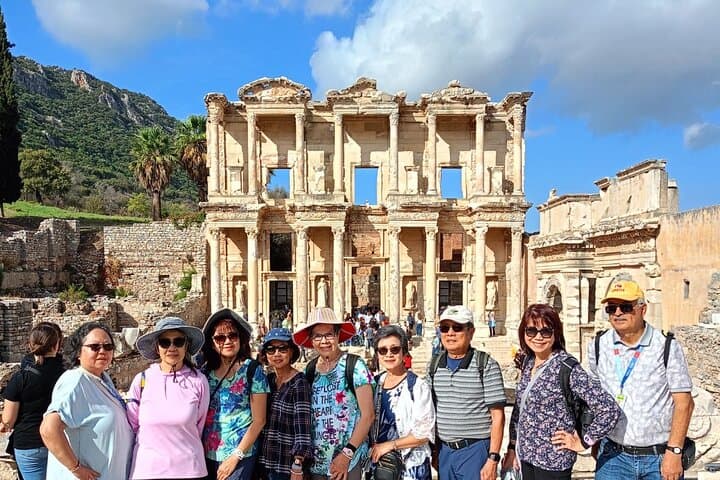
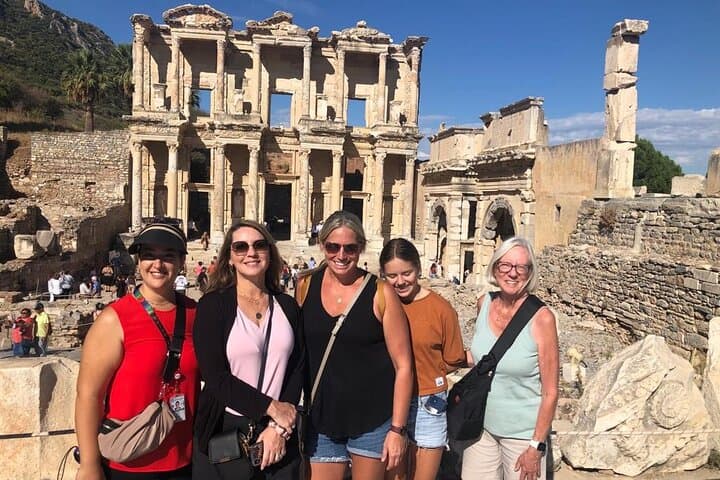
The visit begins on those marble streets: the Library of Celsus stares back with carved eyes and the Great Theatre still holds the breath of ancient audiences. Your guide threads history into the stones—Roman civic life, early Christian sites, and the trading wealth that made Ephesus one of the Mediterranean’s great ports before silting pushed the sea away.
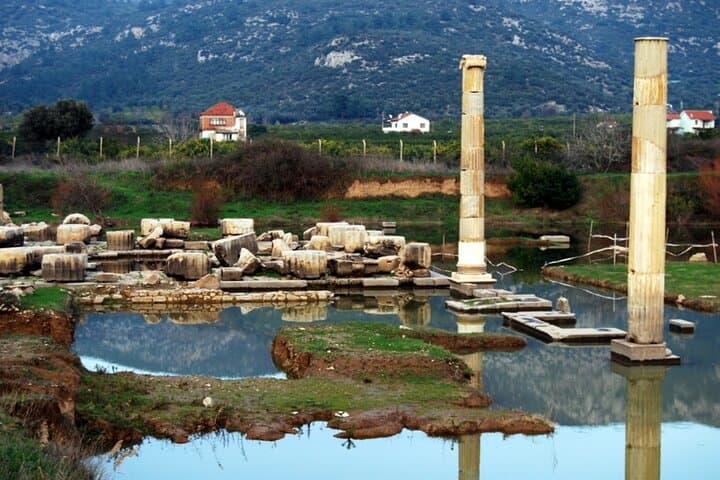
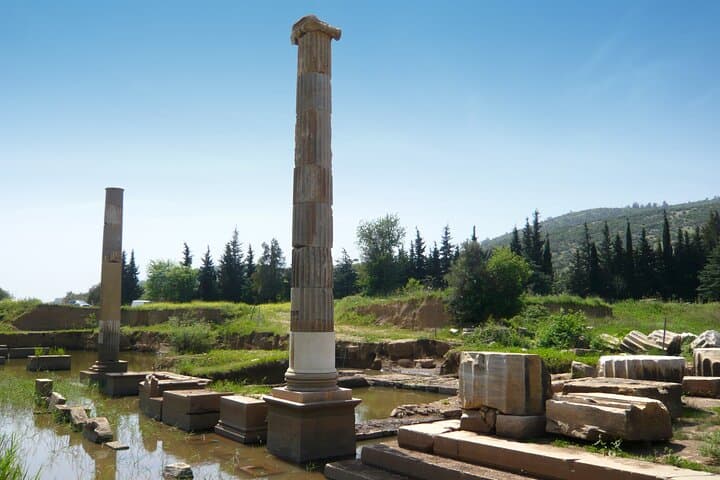
Later, the road climbs toward Claros, where the sanctuary of Apollo sits quieter and wind-swept. Geologically the region is limestone and alluvial plains; springs once fed the oracle and the ground still gives a sense of subterranean motion. Nearby villages keep a living culture of handicrafts and cuisine—expect a Turkish lunch of grilled mezzes, fresh salads, and local olive oil.
Practicalities matter: the tour is about six hours, mostly walking on uneven, stepped surfaces; bring layered sun protection and a refillable water bottle. If you opt for a Turkish bath after the sites, allow extra time for changing and relaxation—the hamam is restorative and culturally rooted in Ottoman bathing traditions.
Go early in the day for softer light and fewer crowds; move deliberately on the ruins, stay on marked paths, and carry small change for restroom fees and market stalls. The excursion balances archaeology with tangible local life—ancient stones and modern kitchens meeting on a single day by the Aegean.
easy.
6 hours.
Light to moderate—suitable for most travelers who can walk 1–3 miles on uneven ground and climb stairs.
Ticket inclusion varies by tour operator; many shore excursions require guests to purchase site admissions locally—check your booking confirmation before arrival.
Expect 1–3 miles of walking over uneven, stepped terrain and paved marble streets; the pace is moderate with stops for interpretation and photos.
Yes—many shore excursions offer the hamam as an optional add-on, but confirm availability and extra time with your guide since treatments require changing and relaxation time.
Shore excursions marketed as ship‑timed include guaranteed on‑time return; still, follow guide instructions and plan restroom/buying stops conservatively to avoid delays.
Ephesus was a major Roman metropolis and a key center for early Christianity; Claros served as an oracle of Apollo and attracted pilgrims across antiquity.
High visitor numbers accelerate wear on ancient marble and excavated architecture—stick to marked paths, avoid touching fragile carvings, and support local conservation fees when requested.
SeaDrop Travel operates guided outdoor trips and adventures with an emphasis on safety, stewardship, and memorable experiences.
You step off the tender into the warm light of the Aegean and the shore opens like a map of layered time—olive-scrubbed hills, stone roads, and a ribbon of marble that leads into Ephesus.
You step off the tender into the warm light of the Aegean and the shore opens like a map of layered time—olive-scrubbed hills, stone roads, and a ribbon of marble that leads into Ephesus.
The visit begins on those marble streets: the Library of Celsus stares back with carved eyes and the Great Theatre still holds the breath of ancient audiences. Your guide threads history into the stones—Roman civic life, early Christian sites, and the trading wealth that made Ephesus one of the Mediterranean’s great ports before silting pushed the sea away.
Later, the road climbs toward Claros, where the sanctuary of Apollo sits quieter and wind-swept. Geologically the region is limestone and alluvial plains; springs once fed the oracle and the ground still gives a sense of subterranean motion. Nearby villages keep a living culture of handicrafts and cuisine—expect a Turkish lunch of grilled mezzes, fresh salads, and local olive oil.
Practicalities matter: the tour is about six hours, mostly walking on uneven, stepped surfaces; bring layered sun protection and a refillable water bottle. If you opt for a Turkish bath after the sites, allow extra time for changing and relaxation—the hamam is restorative and culturally rooted in Ottoman bathing traditions.
Go early in the day for softer light and fewer crowds; move deliberately on the ruins, stay on marked paths, and carry small change for restroom fees and market stalls. The excursion balances archaeology with tangible local life—ancient stones and modern kitchens meeting on a single day by the Aegean.