THE ADVENTURE COLLECTIVE® · Independent discovery and booking for outdoor travel

Pedal between olive groves and Roman ruins on a full‑day loop from Kuşadası. This combined Ephesus visit and village cycling tour pairs archeological exploration with a hands‑on farm lunch and optional e‑bike support.
Pedal between olive groves and Roman ruins on a full‑day loop from Kuşadası. This combined Ephesus visit and village cycling tour pairs archeological exploration with a hands‑on farm lunch and optional e‑bike support.
You step out of the minivan into a bright Aegean morning—stone paths, citrus-scented air, and turbines on the distant ridgeline. The guide lays out helmets, checks e‑bikes, and points down a lane that threads through vineyards and small stone houses. The pedals turn; the wind pushes you along terraces of grapevines while village dogs observe with sleepy curiosity.
Verified experiences and guided adventures in the surrounding area.
Operated by Phoenicia Travel · Selçuk, İzmir
You step out of the minivan into a bright Aegean morning—stone paths, citrus-scented air, and turbines on the distant ridgeline. The guide lays out helmets, checks e‑bikes, and points down a lane that threads through vineyards and small stone houses. The pedals turn; the wind pushes you along terraces of grapevines while village dogs observe with sleepy curiosity.
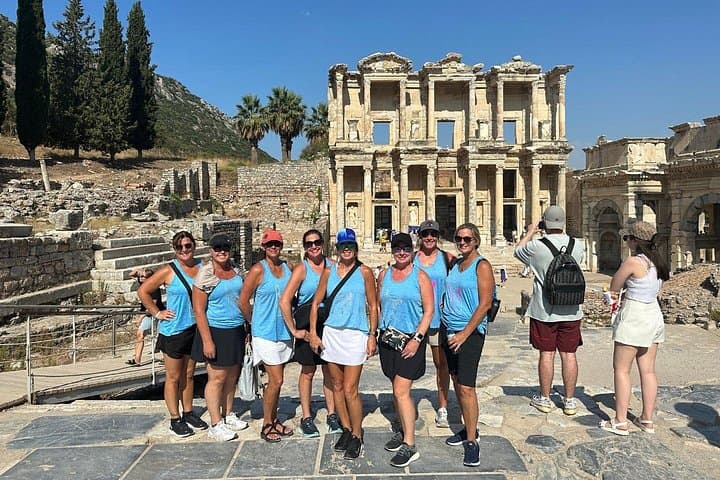
This day pairs two textures of the region: the slow archaeology of Ephesus, where Roman marble and street grids survive as a clear map of ancient urban life, and the living agricultural landscape around Çamlık and Gökçealan, shaped by alluvial soils and millennia of farming. Selçuk’s history runs from Ionian settlements to Roman prosperity—walk the Library of Celsus and the Grand Theater to feel how trade once carved this coast.
Practical guidance: the full program runs about 4–6 hours including transfers; expect 8–15 km of easy to rolling cycling between villages on mixed paved and compact dirt roads. Moderate fitness makes the tour comfortable; e‑bikes reduce effort on short climbs. Bring a daypack with water (2 L recommended), sun protection, and sturdy closed shoes for the ruins.
At the farm lunch you’ll meet local weavers and try Turkish coffee and baklava—food that completes the route’s rhythms. Timing matters: mornings are coolest for riding and late afternoon light is best for photos at Ephesus. Hydrate, set your saddle height before departure, and leave space in your camera for close-ups of carved stone and vineyard rows.
moderate.
4–6 hours.
Moderate fitness recommended: comfortable with several short climbs and up to a few hours of walking at archaeological sites.
E‑bikes are available as part of the tour; request an e‑bike at booking if you prefer assisted pedaling.
Expect several short loops between villages totaling roughly 8–15 km on mixed surfaces, with additional walking at Ephesus.
The farm offers a set Turkish lunch—notify the operator in advance for vegetarian or allergy accommodations.
Yes—pickups are arranged from Kuşadası Cruise Ship Port; confirm your disembarkation time when booking.
Ephesus was a major Ionian then Roman city—its marble streets and Library of Celsus reflect wealth from trade and a long urban history tied to the Aegean coast.
Local operators encourage staying on designated paths and supporting village economies; avoid touching ruins and respect agricultural plots to limit erosion and disturbance.
Phoenicia Travel operates guided outdoor trips and adventures with an emphasis on safety, stewardship, and memorable experiences.
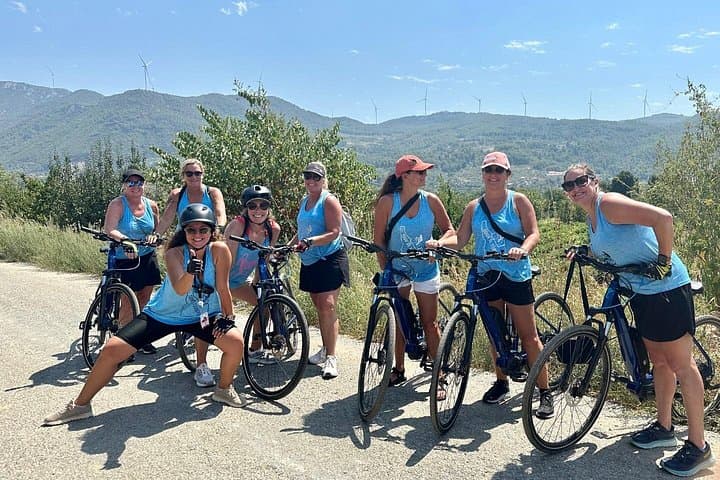
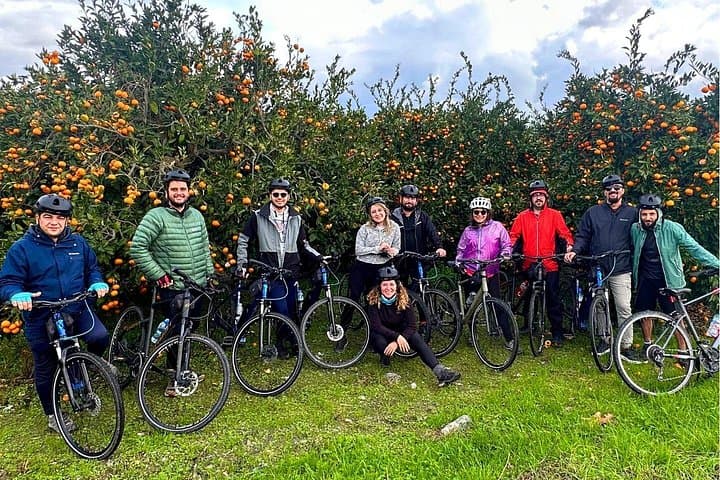
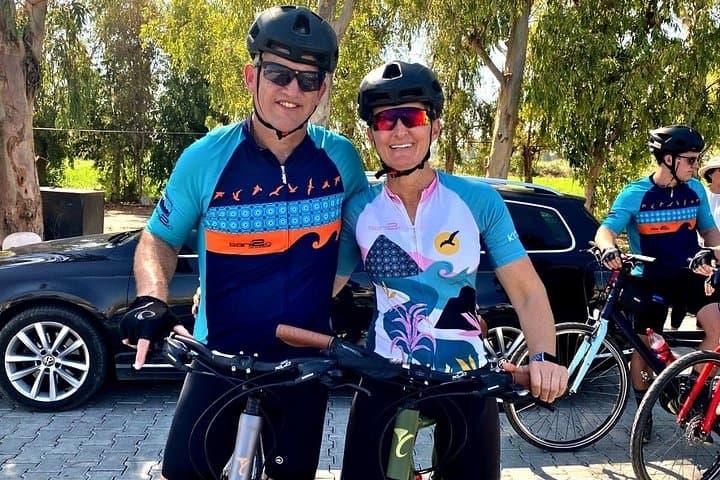
You step out of the minivan into a bright Aegean morning—stone paths, citrus-scented air, and turbines on the distant ridgeline. The guide lays out helmets, checks e‑bikes, and points down a lane that threads through vineyards and small stone houses. The pedals turn; the wind pushes you along terraces of grapevines while village dogs observe with sleepy curiosity.
You step out of the minivan into a bright Aegean morning—stone paths, citrus-scented air, and turbines on the distant ridgeline. The guide lays out helmets, checks e‑bikes, and points down a lane that threads through vineyards and small stone houses. The pedals turn; the wind pushes you along terraces of grapevines while village dogs observe with sleepy curiosity.
This day pairs two textures of the region: the slow archaeology of Ephesus, where Roman marble and street grids survive as a clear map of ancient urban life, and the living agricultural landscape around Çamlık and Gökçealan, shaped by alluvial soils and millennia of farming. Selçuk’s history runs from Ionian settlements to Roman prosperity—walk the Library of Celsus and the Grand Theater to feel how trade once carved this coast.
Practical guidance: the full program runs about 4–6 hours including transfers; expect 8–15 km of easy to rolling cycling between villages on mixed paved and compact dirt roads. Moderate fitness makes the tour comfortable; e‑bikes reduce effort on short climbs. Bring a daypack with water (2 L recommended), sun protection, and sturdy closed shoes for the ruins.
At the farm lunch you’ll meet local weavers and try Turkish coffee and baklava—food that completes the route’s rhythms. Timing matters: mornings are coolest for riding and late afternoon light is best for photos at Ephesus. Hydrate, set your saddle height before departure, and leave space in your camera for close-ups of carved stone and vineyard rows.