THE ADVENTURE COLLECTIVE® · Independent discovery and booking for outdoor travel

Walk among chimpanzees, elephants and peacocks on a guided tour at Entebbe Zoo, set on the shores of Lake Victoria. This compact wildlife experience combines a one‑kilometre forest stroll with close-up viewing and local cultural stops.
Walk among chimpanzees, elephants and peacocks on a guided tour at Entebbe Zoo, set on the shores of Lake Victoria. This compact wildlife experience combines a one‑kilometre forest stroll with close-up viewing and local cultural stops.
The path begins under a low canopy of fig and mahogany trees, the air warm and scented with wet earth; Lake Victoria spreads out beyond the entrance, its surface catching light and daring you to look further. A guide threads through the gates and the zoo’s residents become a moving cast — an elephant swinging its trunk, chimps watching with human-like curiosity, peacocks flicking color like a page turned. The 1‑kilometre forest walk is compact but alive: leaves murmur, birds call, and small trails open onto observation points.
Verified experiences and guided adventures in the surrounding area.
Operated by PHMSSEB Tours and Travel · Entebbe, Central Region
The path begins under a low canopy of fig and mahogany trees, the air warm and scented with wet earth; Lake Victoria spreads out beyond the entrance, its surface catching light and daring you to look further. A guide threads through the gates and the zoo’s residents become a moving cast — an elephant swinging its trunk, chimps watching with human-like curiosity, peacocks flicking color like a page turned. The 1‑kilometre forest walk is compact but alive: leaves murmur, birds call, and small trails open onto observation points.
Entebbe Zoo (Uganda Wildlife Education Centre) sits on the northern shore of Lake Victoria and has served as both exhibition and education site since the mid‑20th century. The geology here is gentle—low, weathered ridges feeding into the lake—so the walk is physically easy but ecologically rich. Culturally, the site connects urban Kampala and lakeside Entebbe: local craftsmen sell carved souvenirs at the adjacent market, and guides explain how species fit into Ugandan ecosystems.
Practical guidance: allow 1–3 hours depending on guided options and animal encounters; admission is typically included in guided tours. Paths are mostly level but can be muddy after rain; strollers are usable in many areas but step and threshold access is uneven. Bring water, insect repellent, and a camera with a zoom lens for bird and primate viewing. Respect enclosures and staff directions—close, calm observation benefits both visitors and animals. Morning visits deliver cooler air and more active animals, while midday offers easier market visits and local lunch options before a return to Kampala or Entebbe.
easy.
1–6 hours.
Suitable for most fitness levels; the walking component is short and mostly level but involves standing at viewing points.
The forest walk is about one kilometre; the full guided visit typically runs 1–3 hours depending on stops and encounters.
Yes—many paths are stroller accessible, but some areas have steps or thresholds and staff can advise on the easiest route.
Lunch at a local restaurant and a visit to Entebbe crafts market are commonly included in full‑day itineraries—confirm when booking.
No—feeding or touching is not allowed. Guides will point out safe viewing opportunities and animal ambassadors for supervised interaction.
The Uganda Wildlife Education Centre evolved from a mid‑20th century animal collection into a conservation and education facility that emphasizes rehabilitation and public awareness.
UWEC runs breeding, rehabilitation and education programs; visitors help by following rules, not feeding wildlife, and supporting on‑site conservation initiatives.
PHMSSEB Tours and Travel operates guided outdoor trips and adventures with an emphasis on safety, stewardship, and memorable experiences.
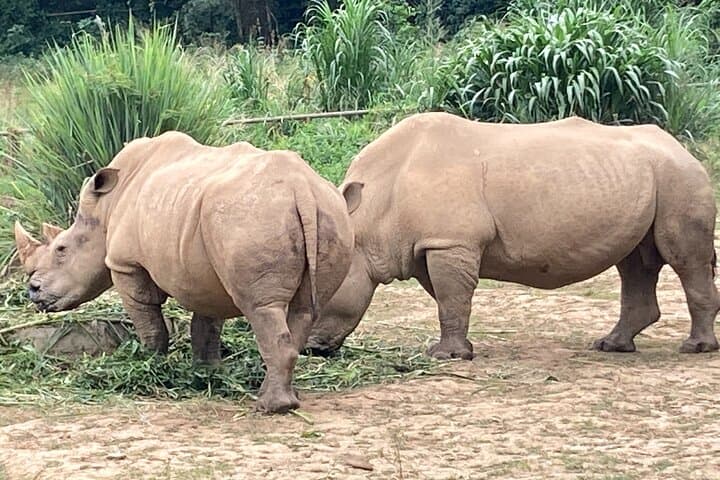
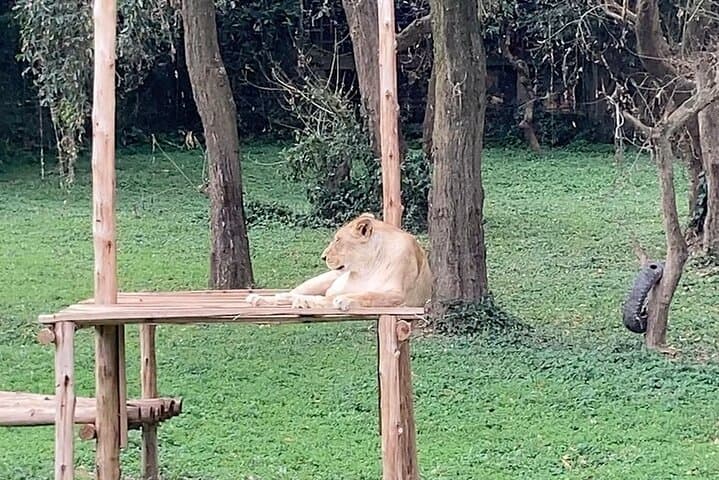
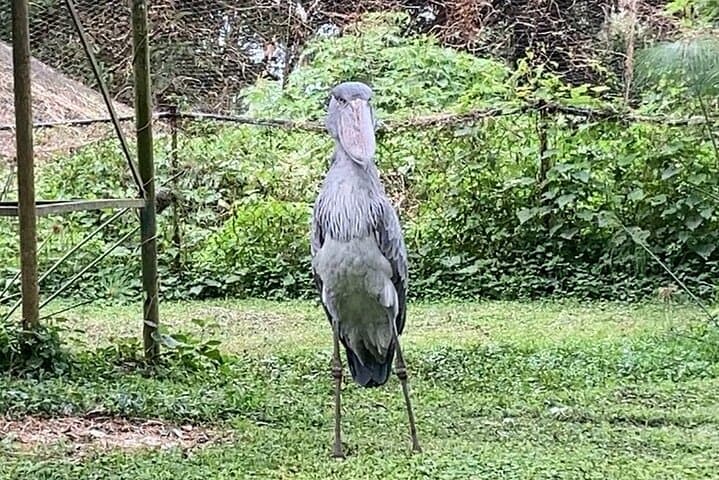
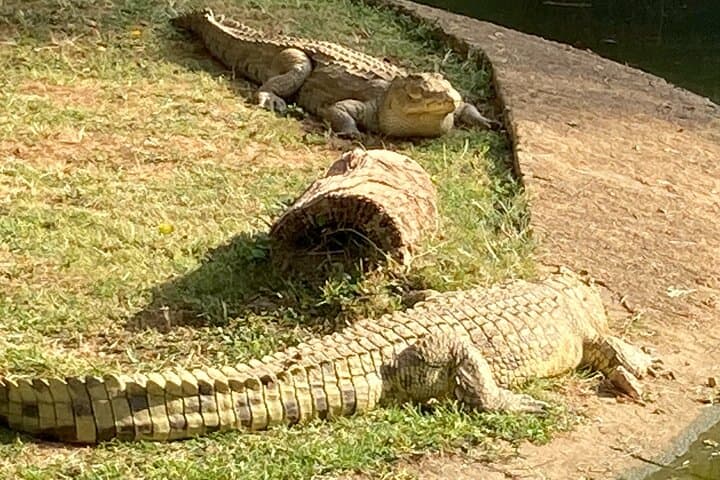
The path begins under a low canopy of fig and mahogany trees, the air warm and scented with wet earth; Lake Victoria spreads out beyond the entrance, its surface catching light and daring you to look further. A guide threads through the gates and the zoo’s residents become a moving cast — an elephant swinging its trunk, chimps watching with human-like curiosity, peacocks flicking color like a page turned. The 1‑kilometre forest walk is compact but alive: leaves murmur, birds call, and small trails open onto observation points.
The path begins under a low canopy of fig and mahogany trees, the air warm and scented with wet earth; Lake Victoria spreads out beyond the entrance, its surface catching light and daring you to look further. A guide threads through the gates and the zoo’s residents become a moving cast — an elephant swinging its trunk, chimps watching with human-like curiosity, peacocks flicking color like a page turned. The 1‑kilometre forest walk is compact but alive: leaves murmur, birds call, and small trails open onto observation points.
Entebbe Zoo (Uganda Wildlife Education Centre) sits on the northern shore of Lake Victoria and has served as both exhibition and education site since the mid‑20th century. The geology here is gentle—low, weathered ridges feeding into the lake—so the walk is physically easy but ecologically rich. Culturally, the site connects urban Kampala and lakeside Entebbe: local craftsmen sell carved souvenirs at the adjacent market, and guides explain how species fit into Ugandan ecosystems.
Practical guidance: allow 1–3 hours depending on guided options and animal encounters; admission is typically included in guided tours. Paths are mostly level but can be muddy after rain; strollers are usable in many areas but step and threshold access is uneven. Bring water, insect repellent, and a camera with a zoom lens for bird and primate viewing. Respect enclosures and staff directions—close, calm observation benefits both visitors and animals. Morning visits deliver cooler air and more active animals, while midday offers easier market visits and local lunch options before a return to Kampala or Entebbe.