THE ADVENTURE COLLECTIVE® · Independent discovery and booking for outdoor travel

Explore Diu’s coastal fortresses, colonial lanes, and sea-facing temples on a relaxed 2–3 day heritage loop. From Diu Fort’s cliff-top views to the rock-formed Naida Caves and sunset at Nagoa Beach, this tour pairs history with shoreline calm.
Explore Diu’s coastal fortresses, colonial lanes, and sea-facing temples on a relaxed 2–3 day heritage loop. From Diu Fort’s cliff-top views to the rock-formed Naida Caves and sunset at Nagoa Beach, this tour pairs history with shoreline calm.
The sea speaks first on Diu: a steady Arabian swell that frames craggy ramparts and whitewashed lanes. On arrival the island’s salt-scented air and low colonial roofs set the stage for a slow, deliberate exploration—where each turn of the cobbled streets leads to a new architectural echo of Portuguese and Gujarati lives.
Verified experiences and guided adventures in the surrounding area.
Operated by Agora Voyages Pvt. Ltd. · Diu, Dadra and Nagar Haveli and Daman and Diu
The sea speaks first on Diu: a steady Arabian swell that frames craggy ramparts and whitewashed lanes. On arrival the island’s salt-scented air and low colonial roofs set the stage for a slow, deliberate exploration—where each turn of the cobbled streets leads to a new architectural echo of Portuguese and Gujarati lives.
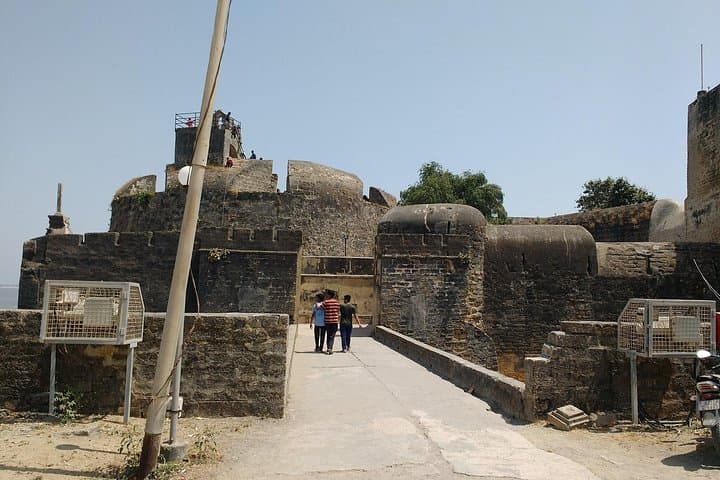
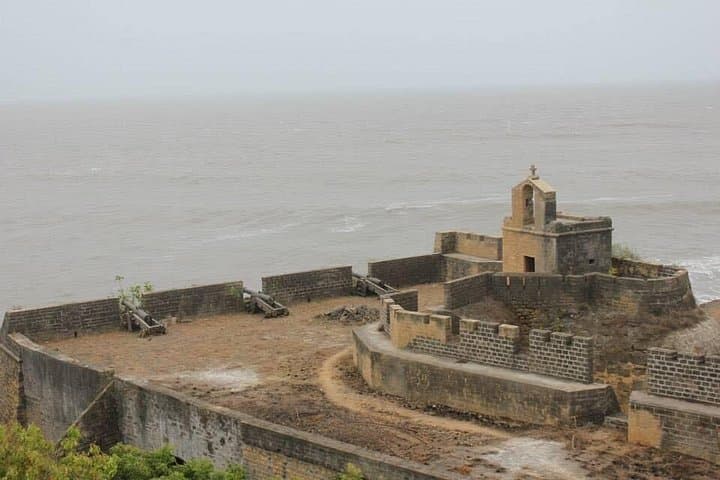
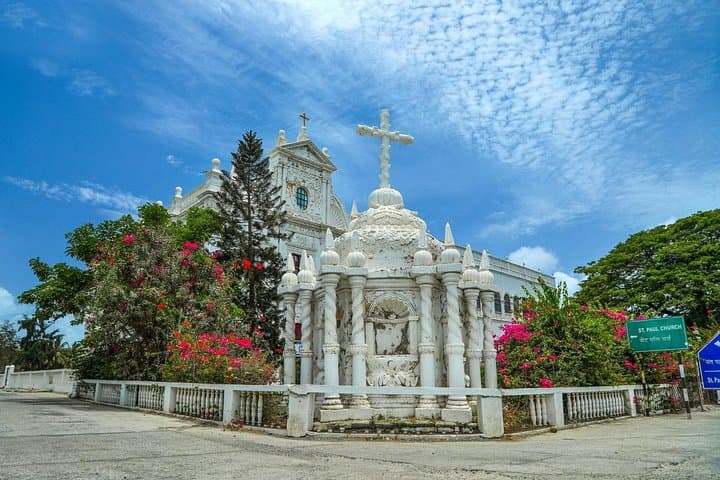
Start at Diu Fort, a 16th-century bastion clinging to a cliff where cannons still look out over the horizon. The fort’s stonework tells a military and maritime story; tidal reefs and basalt outcrops below are reminders of the island’s volcanic past and coastal geology. Walkable colonial quarters follow—arched windows, narrow alleys, and St. Paul’s Church, whose baroque lines and quiet nave reveal the religious layering that shaped local culture.
Naida Caves offer a contrast: man-carved chambers and unusual rock formations that invite curiosity about ancient coastal communities and their use of stone. Later, Gangeshwar Temple’s sea-facing Shivlings combine ritual and tide, while Nagoa Beach settles the day with long sand and a sunset that shifts the sea from silver to saffron.
Practical notes: the tour is low-impact walking, spread over two to three days with hotel stays; expect uneven cobbles and short stair sections. Bring sun protection, a sturdy pair of walking shoes, and a light daypack for water and camera gear. Mornings are coolest for heritage walks; late afternoons suit beach time. Respect temple customs, carry cash for small monuments, and allow time for unhurried photo stops—Diu rewards a paced approach.
easy.
2–3 days.
Light fitness required—suitable for travelers comfortable with short, flat-to-moderate walks and occasional stairs.
The itinerary spans two to three days with hotel nights; expect a relaxed pace focused on sightseeing, short guided walks, and time at coastal sites.
Monument entrances listed in the itinerary are included; check booking details for any optional activities that may require extra payment.
Yes—tour notes indicate stroller accessibility for infants and light activity levels suitable for most ages, though caves and stair sections may be challenging for very young children.
An English-speaking tour guide is included on sightseeing days, with local guides available in each city as outlined in the itinerary.
Diu’s strategic location made it a contested port for Portuguese, Omani and local rulers; the fort and colonial architecture reflect maritime trade routes of the 16th–18th centuries.
Coastal sites are sensitive to litter and erosion—stick to marked paths, avoid collecting shells from protected stretches, and use local waste bins where available.
Agora Voyages Pvt. Ltd. operates guided outdoor trips and adventures with an emphasis on safety, stewardship, and memorable experiences.

The sea speaks first on Diu: a steady Arabian swell that frames craggy ramparts and whitewashed lanes. On arrival the island’s salt-scented air and low colonial roofs set the stage for a slow, deliberate exploration—where each turn of the cobbled streets leads to a new architectural echo of Portuguese and Gujarati lives.
The sea speaks first on Diu: a steady Arabian swell that frames craggy ramparts and whitewashed lanes. On arrival the island’s salt-scented air and low colonial roofs set the stage for a slow, deliberate exploration—where each turn of the cobbled streets leads to a new architectural echo of Portuguese and Gujarati lives.
Start at Diu Fort, a 16th-century bastion clinging to a cliff where cannons still look out over the horizon. The fort’s stonework tells a military and maritime story; tidal reefs and basalt outcrops below are reminders of the island’s volcanic past and coastal geology. Walkable colonial quarters follow—arched windows, narrow alleys, and St. Paul’s Church, whose baroque lines and quiet nave reveal the religious layering that shaped local culture.
Naida Caves offer a contrast: man-carved chambers and unusual rock formations that invite curiosity about ancient coastal communities and their use of stone. Later, Gangeshwar Temple’s sea-facing Shivlings combine ritual and tide, while Nagoa Beach settles the day with long sand and a sunset that shifts the sea from silver to saffron.
Practical notes: the tour is low-impact walking, spread over two to three days with hotel stays; expect uneven cobbles and short stair sections. Bring sun protection, a sturdy pair of walking shoes, and a light daypack for water and camera gear. Mornings are coolest for heritage walks; late afternoons suit beach time. Respect temple customs, carry cash for small monuments, and allow time for unhurried photo stops—Diu rewards a paced approach.