THE ADVENTURE COLLECTIVE® · Independent discovery and booking for outdoor travel

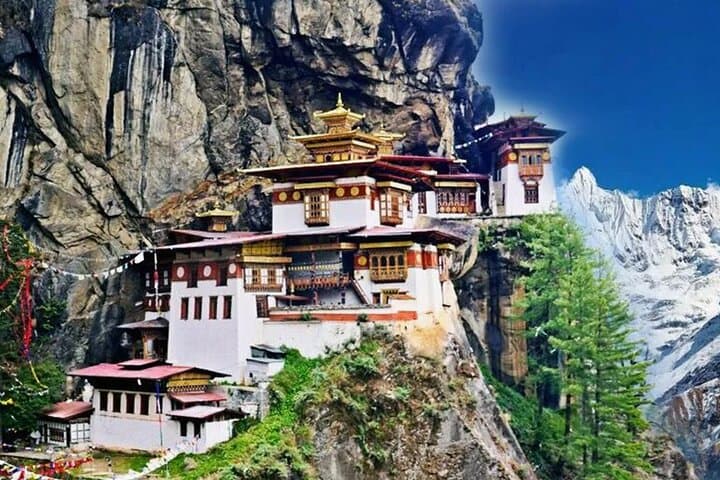
A seven-day circuit through Bhutan that balances Thimphu’s cultural landmarks with high-valley quiet in Phobjikha and a pilgrimage hike to Tiger’s Nest. Expect dzongs, local farms, conservation-minded guides, and one sustained uphill trek to a cliffside monastery.
A seven-day circuit through Bhutan that balances Thimphu’s cultural landmarks with high-valley quiet in Phobjikha and a pilgrimage hike to Tiger’s Nest. Expect dzongs, local farms, conservation-minded guides, and one sustained uphill trek to a cliffside monastery.
Book with BARBIL TOURS
Book directly with BARBIL TOURS for the best rates and real-time scheduling.
Reserve NowVerified experiences and guided adventures in the surrounding area.
Operated by BARBIL TOURS · Thimphu, Thimphu District
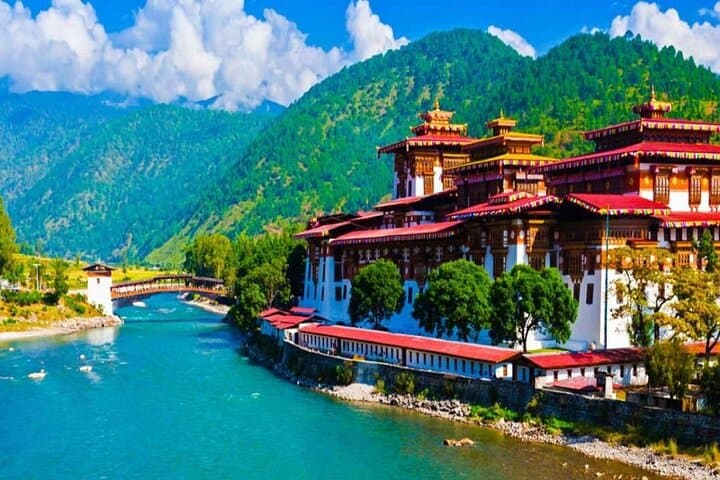
The plane drops low over a green-cut valley and the air smells of pine and wood smoke—this is Bhutan arriving in the throat of the Himalaya. From Paro the road climbs, carving through rhododendron forests to the 108 chortens at Dochula Pass, then spills down into Thimphu’s calm, prayer-flag-lined streets. Over seven days the trip alternates between city shrines and highland quiet: dzongs, farmhouses, and the long sweep of Phobjikha Valley where cranes gather.
moderate.
7 days.
Suitable for travelers in good general health who can handle several hours of walking and one sustained uphill hike; not strenuous technical fitness but expect elevation gain.
Yes—visas are typically arranged by the tour operator; the trip includes the Sustainable Development Fee (SDF) component as noted in the itinerary.
The hike is steep with roughly 800–900 m of ascent depending on your start and can take 3–5 hours round-trip; it requires steady pacing rather than technical climbing skills.
Bhutanese Ngultrum (Nu.) is used; Indian rupees are also accepted in many places. Small tips for guides, drivers, and staff are appreciated but not mandatory.
Black-necked cranes winter in Phobjikha, roughly from late October to March, when valley visits include the best chances to observe them at dawn or dusk.
Bhutan’s modern identity was shaped by the Wangchuck monarchy and a deliberate opening to tourism; dzongs functioned historically as combined monastic and administrative centers.
Bhutan charges an SDF to support public services and conservation; many valleys like Phobjikha are protected to preserve crane habitat and local grazing systems.
BARBIL TOURS operates guided outdoor trips and adventures with an emphasis on safety, stewardship, and memorable experiences.
Book with BARBIL TOURS
Book directly with BARBIL TOURS for the best rates and real-time scheduling.
Reserve Now