THE ADVENTURE COLLECTIVE® · Independent discovery and booking for outdoor travel

Step into the mist of Mosi-oa-Tunya on a guided walk across the rainforest paths and lookout points that frame Victoria Falls. This practical guide covers what you’ll see, seasonal conditions, and how to prepare for spray-drenched panoramas and rugged trail sections.
Step into the mist of Mosi-oa-Tunya on a guided walk across the rainforest paths and lookout points that frame Victoria Falls. This practical guide covers what you’ll see, seasonal conditions, and how to prepare for spray-drenched panoramas and rugged trail sections.
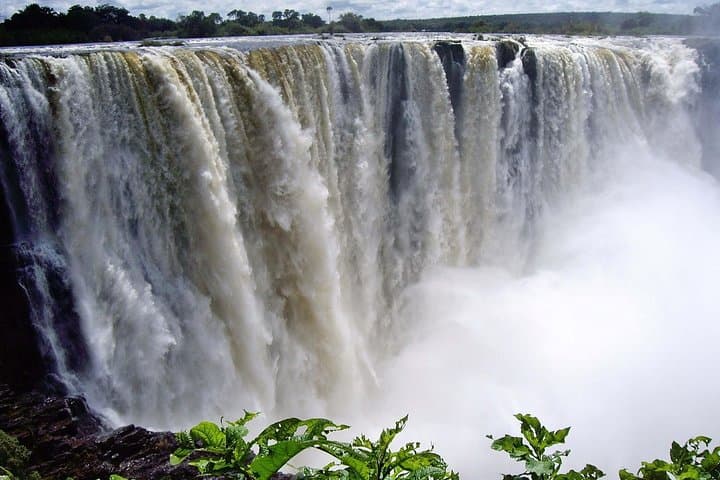
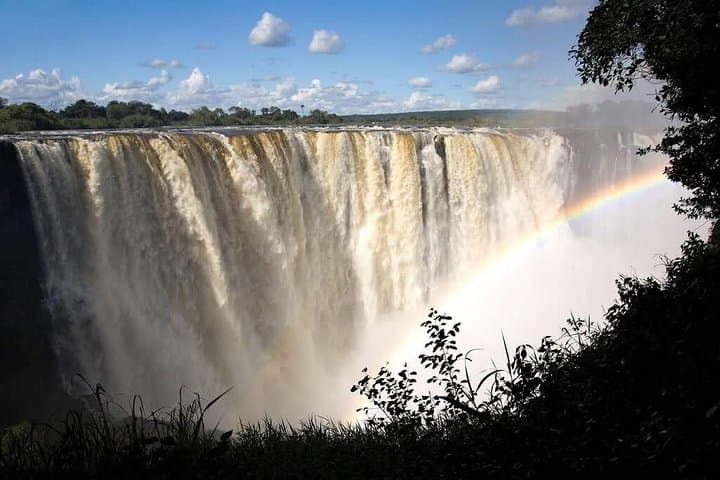
You arrive at the edge of a living wall of water: mist rising like breath, basalt cliffs ringing with thunder. The Zimbabwean side of Victoria Falls—Mosi-oa-Tunya, "The Smoke That Thunders"—unfolds as a series of viewpoints threaded by rainforest paths. This guided walk moves deliberately from paved lookouts to narrower trails that lead toward the eastern gorge and the Devil's Cataract.
Verified experiences and guided adventures in the surrounding area.
Operated by Opatrip.com Zimbabwe · Victoria Falls, Matabeleland North
You arrive at the edge of a living wall of water: mist rising like breath, basalt cliffs ringing with thunder. The Zimbabwean side of Victoria Falls—Mosi-oa-Tunya, "The Smoke That Thunders"—unfolds as a series of viewpoints threaded by rainforest paths. This guided walk moves deliberately from paved lookouts to narrower trails that lead toward the eastern gorge and the Devil's Cataract.
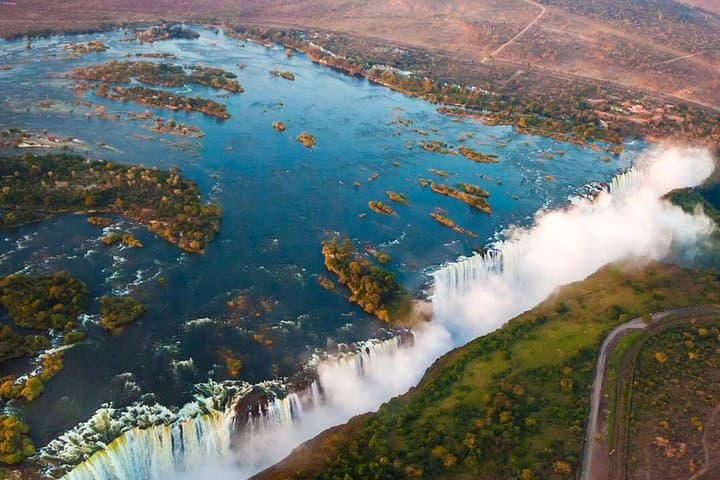
Geologically the falls are carved where the Zambezi crosses a hard basalt plateau, the river tearing through fissures and leaving dramatic chasms. David Livingstone brought the falls to Western attention in 1855, but local Tonga people long knew it as a sacred place. Along the walk your guide will explain the cascade cycles, the spray-fed rainforest microclimate, and the seasonal shifts that redraw the falls’ edges.
Expect wet conditions—spray can drench you—brittle stone steps, and concentrated crowds at the primary viewing points. Wildlife is present at the park margins: vervet monkeys and occasionally elephants move through the surrounding bush, while a chorus of birds inhabits the canopy.
Practical guidance: wear waterproof layers and sturdy shoes with grip, protect electronics, and time your visit for either peak flow (more spray, dramatic volume) or dry-season clarity (less mist, better photos). The guided route covers about 2–3 hours of walking with short inclines and boardwalks; park fees and bottled water are typically included. Stay on signed paths, follow your guide, and leave extra time to explore the town’s craft market or the bridge viewpoint for a different angle on the falls.
easy.
2–3 hours.
Suitable for most fitness levels; you should be comfortable walking unpaved paths and stair sections for a few hours.
The guided itinerary typically lasts 2–3 hours, covering paved viewpoints and rainforest paths to the Devil's Cataract.
Yes — spray routinely rises up the gorge and can soak visitors; guides and operators often provide rain gear in wet months.
Yes — the route is classified as easy and appropriate for most ages, though there are short steps and slippery sections to navigate carefully.
Many tours include the national park fee and bottled water; confirm inclusions at booking — this particular itinerary notes park fee and bottled water provided.
The falls were named Victoria Falls by David Livingstone in 1855; the local Tonga name, Mosi-oa-Tunya, predates colonial naming and means "The Smoke That Thunders."
Victoria Falls is protected as national parkland; stay on marked paths, avoid disturbing wildlife, and support local operators who contribute to conservation and community revenue.
Opatrip.com Zimbabwe operates guided outdoor trips and adventures with an emphasis on safety, stewardship, and memorable experiences.
You arrive at the edge of a living wall of water: mist rising like breath, basalt cliffs ringing with thunder. The Zimbabwean side of Victoria Falls—Mosi-oa-Tunya, "The Smoke That Thunders"—unfolds as a series of viewpoints threaded by rainforest paths. This guided walk moves deliberately from paved lookouts to narrower trails that lead toward the eastern gorge and the Devil's Cataract.
You arrive at the edge of a living wall of water: mist rising like breath, basalt cliffs ringing with thunder. The Zimbabwean side of Victoria Falls—Mosi-oa-Tunya, "The Smoke That Thunders"—unfolds as a series of viewpoints threaded by rainforest paths. This guided walk moves deliberately from paved lookouts to narrower trails that lead toward the eastern gorge and the Devil's Cataract.
Geologically the falls are carved where the Zambezi crosses a hard basalt plateau, the river tearing through fissures and leaving dramatic chasms. David Livingstone brought the falls to Western attention in 1855, but local Tonga people long knew it as a sacred place. Along the walk your guide will explain the cascade cycles, the spray-fed rainforest microclimate, and the seasonal shifts that redraw the falls’ edges.
Expect wet conditions—spray can drench you—brittle stone steps, and concentrated crowds at the primary viewing points. Wildlife is present at the park margins: vervet monkeys and occasionally elephants move through the surrounding bush, while a chorus of birds inhabits the canopy.
Practical guidance: wear waterproof layers and sturdy shoes with grip, protect electronics, and time your visit for either peak flow (more spray, dramatic volume) or dry-season clarity (less mist, better photos). The guided route covers about 2–3 hours of walking with short inclines and boardwalks; park fees and bottled water are typically included. Stay on signed paths, follow your guide, and leave extra time to explore the town’s craft market or the bridge viewpoint for a different angle on the falls.