THE ADVENTURE COLLECTIVE® · Independent discovery and booking for outdoor travel

Walk through three of Barbados’ most atmospheric gardens—Welchman Hall Gully, Flower Forest and Hunte’s Gardens—on a single guided outing. Expect shaded limestone gullies, breezy ridgelines and a terraced sinkhole oasis, plus local juices and shared shuttle service.
Walk through three of Barbados’ most atmospheric gardens—Welchman Hall Gully, Flower Forest and Hunte’s Gardens—on a single guided outing. Expect shaded limestone gullies, breezy ridgelines and a terraced sinkhole oasis, plus local juices and shared shuttle service.
Morning mist clings to the stone walls of Welchman Hall Gully as the group descends along a narrow trail, palms arcing overhead. The air smells of damp limestone and citrus; green monkeys sometimes appear on a feeding platform, pausing mid-chew to watch visitors.
Verified experiences and guided adventures in the surrounding area.
Operated by Hunte's Gardens · Bridgetown, Saint Michael
Morning mist clings to the stone walls of Welchman Hall Gully as the group descends along a narrow trail, palms arcing overhead. The air smells of damp limestone and citrus; green monkeys sometimes appear on a feeding platform, pausing mid-chew to watch visitors.
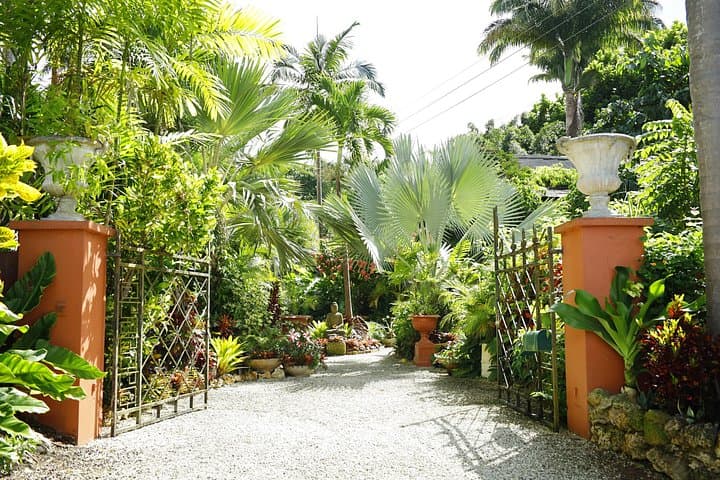
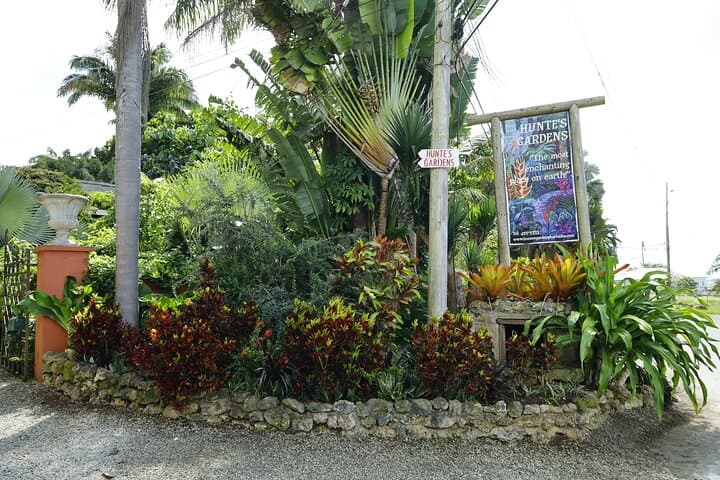
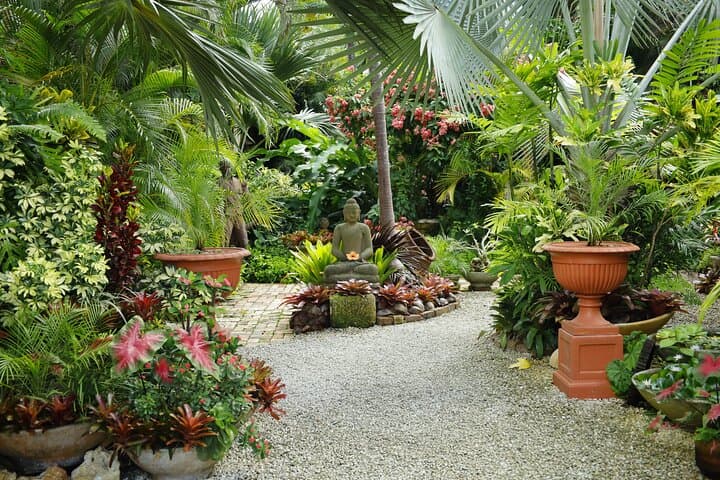
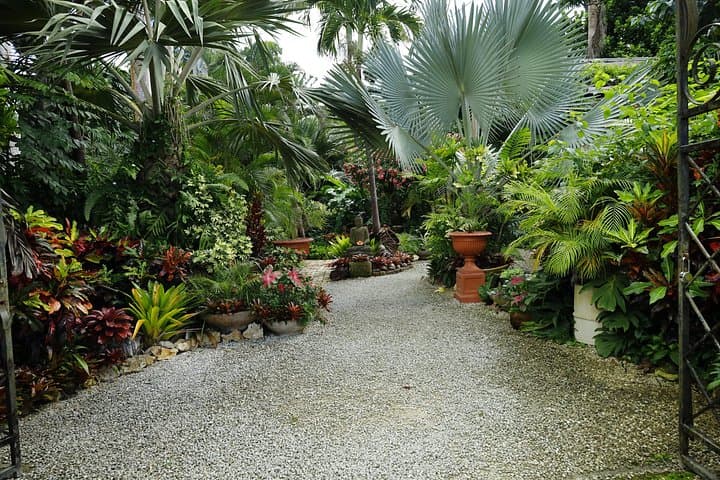
These three gardens trace different chapters of Barbados' landscape. Welchman Hall occupies a collapsed limestone gully carved by solutional erosion over thousands of years, its microclimate supporting ferns and rare bromeliads. Flower Forest sits on a breezy ridge where Atlantic trade winds sculpt floral displays and offer views of the island’s less-developed eastern coastline. Hunte’s Gardens began as a sinkhole transformed into a terraced oasis; paths, hand-placed plantings and lookout nooks reveal towering palms and layered color.
Culturally, garden sites reflect Barbados’ plantation-era history and contemporary conservation; many are privately stewarded and depend on visitation fees. Expect narrow, sometimes uneven paths, shaded pockets and sunlit decks with coastal views. The ecosystem is limestone-dominated—bring footwear that grips damp rock and watch your step on slick steps.
Practical guidance: plan a moderate 3–4 hour outing with short walks at each stop; wear grippy walking shoes and a light rain jacket for sudden showers. Carry water, reef-safe sunscreen and insect repellent; a small daypack will hold purchases and the bottled juice typically served at Flower Forest. Photography is a highlight—use a zoom for shy monkeys and respect posted signs. Morning tours yield cooler temperatures and better wildlife sightings; confirm shared shuttle pickup time and any mobility needs when booking.
moderate.
3–4 hours.
Suitable for travelers with moderate fitness—short walks on uneven terrain and some steps
The guided itinerary lasts about 3.5 hours (210 minutes) covering all three garden stops with time for short walks.
Yes—shared shuttle pickup from major hotels, villas or short-term rentals is typically included; confirm your pickup point when booking.
Paths include narrow and uneven sections; the tour notes moderate mobility requirements—contact the operator to discuss specific needs.
Monkeys are common in Welchman Hall but sightings are not guaranteed; mornings increase the likelihood of observing them.
Many garden sites sit on limestone terrain shaped by coral and solutional erosion; private stewards transformed sinkholes and gullies into curated gardens reflecting both colonial and local botanical interests.
These gardens rely on local stewardship and visitor fees; use reef-safe sunscreen and follow site rules to minimize ecological impact.
Hunte's Gardens operates guided outdoor trips and adventures with an emphasis on safety, stewardship, and memorable experiences.
Morning mist clings to the stone walls of Welchman Hall Gully as the group descends along a narrow trail, palms arcing overhead. The air smells of damp limestone and citrus; green monkeys sometimes appear on a feeding platform, pausing mid-chew to watch visitors.
Morning mist clings to the stone walls of Welchman Hall Gully as the group descends along a narrow trail, palms arcing overhead. The air smells of damp limestone and citrus; green monkeys sometimes appear on a feeding platform, pausing mid-chew to watch visitors.
These three gardens trace different chapters of Barbados' landscape. Welchman Hall occupies a collapsed limestone gully carved by solutional erosion over thousands of years, its microclimate supporting ferns and rare bromeliads. Flower Forest sits on a breezy ridge where Atlantic trade winds sculpt floral displays and offer views of the island’s less-developed eastern coastline. Hunte’s Gardens began as a sinkhole transformed into a terraced oasis; paths, hand-placed plantings and lookout nooks reveal towering palms and layered color.
Culturally, garden sites reflect Barbados’ plantation-era history and contemporary conservation; many are privately stewarded and depend on visitation fees. Expect narrow, sometimes uneven paths, shaded pockets and sunlit decks with coastal views. The ecosystem is limestone-dominated—bring footwear that grips damp rock and watch your step on slick steps.
Practical guidance: plan a moderate 3–4 hour outing with short walks at each stop; wear grippy walking shoes and a light rain jacket for sudden showers. Carry water, reef-safe sunscreen and insect repellent; a small daypack will hold purchases and the bottled juice typically served at Flower Forest. Photography is a highlight—use a zoom for shy monkeys and respect posted signs. Morning tours yield cooler temperatures and better wildlife sightings; confirm shared shuttle pickup time and any mobility needs when booking.