THE ADVENTURE COLLECTIVE® · Independent discovery and booking for outdoor travel

Spend a full day from Salalah exploring frankincense valleys, prehistoric ruins, and towering dunes of the Rub' al Khali, timed to catch a desert sunset. This 4WD tour combines short walks, cultural context, and a dramatic evening climb onto the dunes.
Spend a full day from Salalah exploring frankincense valleys, prehistoric ruins, and towering dunes of the Rub' al Khali, timed to catch a desert sunset. This 4WD tour combines short walks, cultural context, and a dramatic evening climb onto the dunes.
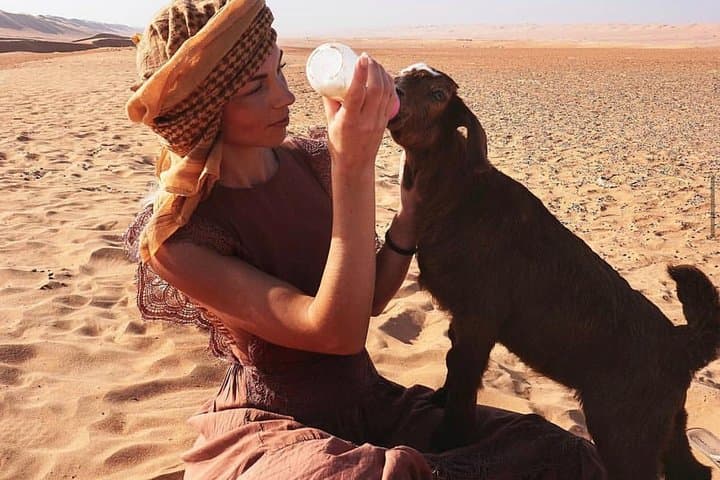
The vehicle eases off the paved road and the horizon opens into a sea of ochre—ridges and bowls of sand that the wind continually reshapes. Over nine hours, travelers move from the frankincense-lined valleys near Salalah out onto the Rub' al Khali's higher dune fields, pausing where the light slants low and the sand takes on a molten glow.
Verified experiences and guided adventures in the surrounding area.
Operated by Bin Majid Tourism · Salalah, Dhofar
The vehicle eases off the paved road and the horizon opens into a sea of ochre—ridges and bowls of sand that the wind continually reshapes. Over nine hours, travelers move from the frankincense-lined valleys near Salalah out onto the Rub' al Khali's higher dune fields, pausing where the light slants low and the sand takes on a molten glow.
This route threads cultural and geological history: Wadi Dawkah (the frankincense valley) preserves Boswellia trees that fueled Oman’s ancient trade, while the archaeological sands near Wubar (the so-called Lost City) speak to caravan routes and local legend. Geologically the Empty Quarter is classic erg terrain—loose, wind-sorted quartz sand, crescent and linear dunes, and occasional interdune flats that hold hidden salt crusts.
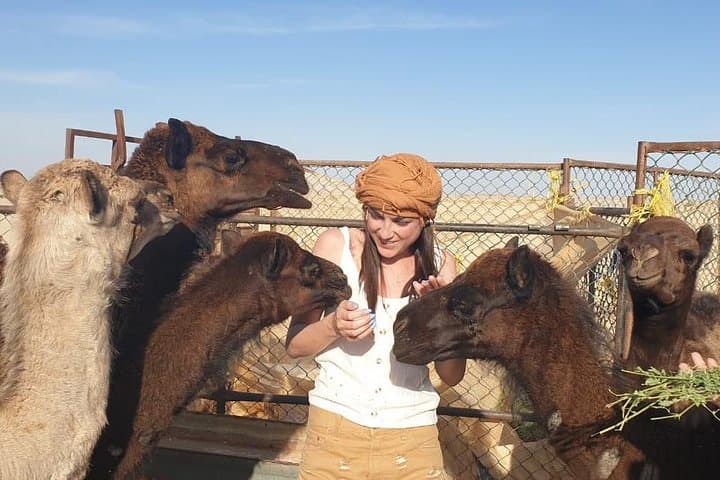
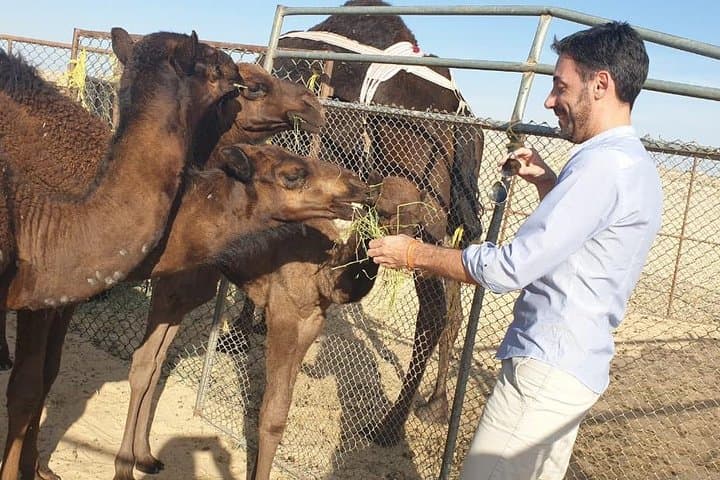
Visitors should expect long, comfortable 4WD transfers with short guided walks—climbs are by dune standards, several dozen meters at most—and photo stops for black camels and the sunset. Guides typically explain frankincense harvesting, point out desert-adapted plants, and time the final dune ascent for golden-hour light.
Practicalities: bring at least 2–3 liters of water, sun protection, and shoes that cope with hot, shifting sand. Timing is everything—departure is set to arrive well before sunset so you can climb a dune and watch the light change. The tour is accessible to most fitness levels but not recommended for people with significant back or heart issues; expect bumpy tracks, loose sand walking, and strong sun exposure. With basic preparation, this trip pairs cultural insight and desert spectacle into a compact, do-able day from Salalah.
easy.
9 hours.
Suitable for most people who can tolerate a few short climbs on loose sand and long 4WD transfers; not for those with serious mobility or cardiovascular issues.
The tour is mostly a 4WD drive with short dune walks; expect several dozen meters of uphill on loose sand—suitable for most fitness levels.
Yes—stops typically include Wadi Dawkah for frankincense and a viewing of Wubar ruins, with explanations from a local guide.
Yes—private pickup and drop-off from Salalah hotels is usually included; confirm your exact pickup location when booking.
Facilities are limited; plan bathroom breaks in Salalah before departure and expect basic, portable options in the field.
The Dhofar coast and inland valleys were central to the frankincense trade for millennia; sites like Wadi Dawkah are part of the Frankincense Trail UNESCO listing.
Stick to vehicle tracks and marked walking areas—fragile cryptobiotic soils and young frankincense trees are vulnerable to off-road disturbance.
Bin Majid Tourism operates guided outdoor trips and adventures with an emphasis on safety, stewardship, and memorable experiences.

The vehicle eases off the paved road and the horizon opens into a sea of ochre—ridges and bowls of sand that the wind continually reshapes. Over nine hours, travelers move from the frankincense-lined valleys near Salalah out onto the Rub' al Khali's higher dune fields, pausing where the light slants low and the sand takes on a molten glow.
The vehicle eases off the paved road and the horizon opens into a sea of ochre—ridges and bowls of sand that the wind continually reshapes. Over nine hours, travelers move from the frankincense-lined valleys near Salalah out onto the Rub' al Khali's higher dune fields, pausing where the light slants low and the sand takes on a molten glow.
This route threads cultural and geological history: Wadi Dawkah (the frankincense valley) preserves Boswellia trees that fueled Oman’s ancient trade, while the archaeological sands near Wubar (the so-called Lost City) speak to caravan routes and local legend. Geologically the Empty Quarter is classic erg terrain—loose, wind-sorted quartz sand, crescent and linear dunes, and occasional interdune flats that hold hidden salt crusts.
Visitors should expect long, comfortable 4WD transfers with short guided walks—climbs are by dune standards, several dozen meters at most—and photo stops for black camels and the sunset. Guides typically explain frankincense harvesting, point out desert-adapted plants, and time the final dune ascent for golden-hour light.
Practicalities: bring at least 2–3 liters of water, sun protection, and shoes that cope with hot, shifting sand. Timing is everything—departure is set to arrive well before sunset so you can climb a dune and watch the light change. The tour is accessible to most fitness levels but not recommended for people with significant back or heart issues; expect bumpy tracks, loose sand walking, and strong sun exposure. With basic preparation, this trip pairs cultural insight and desert spectacle into a compact, do-able day from Salalah.