THE ADVENTURE COLLECTIVE® · Independent discovery and booking for outdoor travel

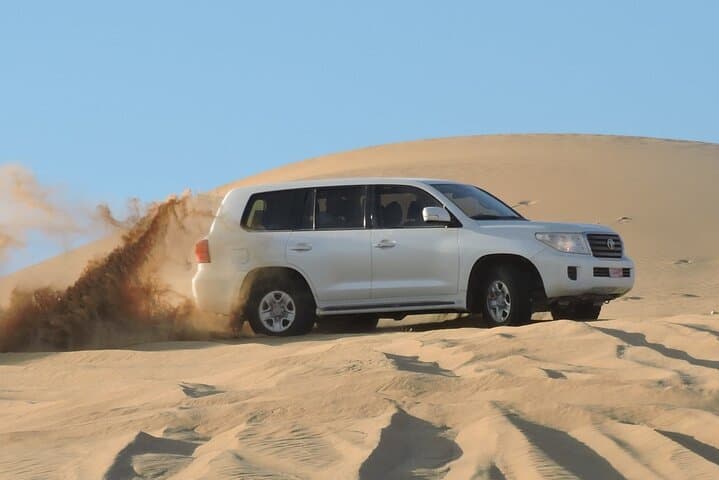
Spend a full day leaving Salalah’s coast for the sweeping sands of the Empty Quarter. Visit Wadi Dawkha’s frankincense trees and the archaeological site of Ubar, then choose to test the dunes with optional bashing—this is a hands‑on look at Dhofar’s landscape and history.
Spend a full day leaving Salalah’s coast for the sweeping sands of the Empty Quarter. Visit Wadi Dawkha’s frankincense trees and the archaeological site of Ubar, then choose to test the dunes with optional bashing—this is a hands‑on look at Dhofar’s landscape and history.
You step out of an air‑conditioned Toyota as a dry wind pulls grains of sand across a flat horizon and the frankincense trees stand like ancient sentries. The day begins with a short drive from Salalah and quickly trades coastal palms for stark dunes and weathered limestone, a landscape that still remembers the caravans of antiquity.
Verified experiences and guided adventures in the surrounding area.
Operated by Marhaba Dhofar · Salalah, Dhofar
You step out of an air‑conditioned Toyota as a dry wind pulls grains of sand across a flat horizon and the frankincense trees stand like ancient sentries. The day begins with a short drive from Salalah and quickly trades coastal palms for stark dunes and weathered limestone, a landscape that still remembers the caravans of antiquity.
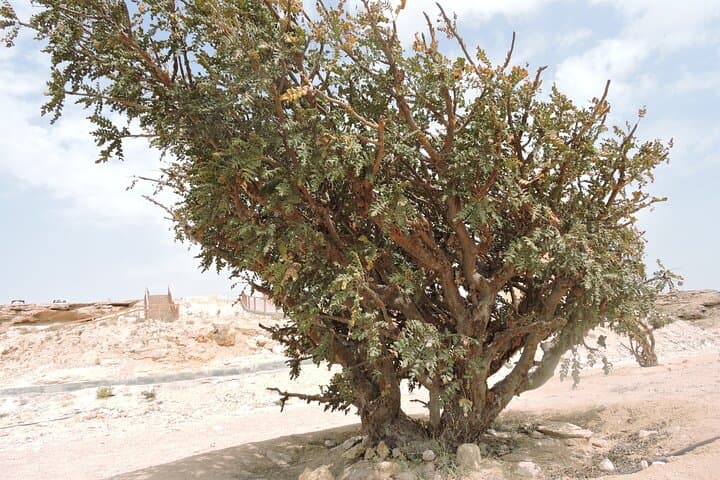
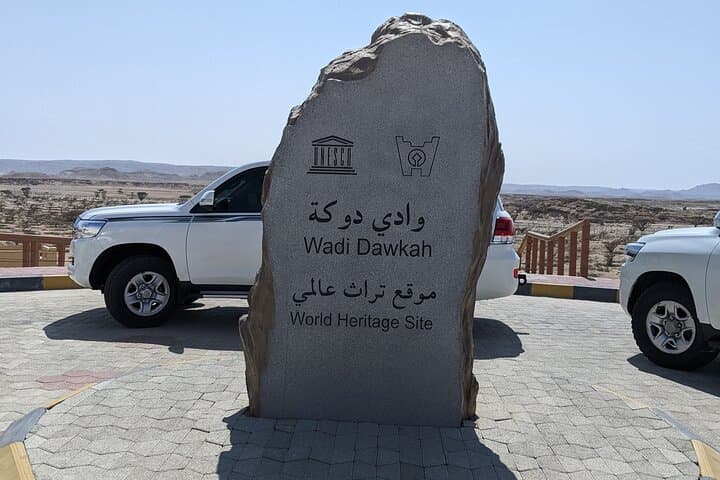
The tour threads together Dhofar’s human and geological story: Wadi Dawkha’s naturally grown frankincense trees are living reminders of an incense economy that fed empires; the excavated ruins at Ubar (Shisr) point to trade routes swallowed and reborn by shifting sands. Geologically, the Empty Quarter’s seas of sand sit on older rock beds—dune fields formed by persistent wind and episodic monsoon pulses that still shape the dunes you’ll cross.
Culturally, guides will explain frankincense uses and local Bedouin traditions; at Ubar a small museum displays finds from the 1990s survey. Expect straightforward fieldwork-style stops rather than curated theme‑park panels.
Practicalities: pickup is typically from Salalah/Taqah hotels at about 09:00 for a roughly nine‑hour outing. The itinerary includes Wadi Dawkha, the Ubar site (entry included) and extended desert time; dune bashing is optional and offered at rider’s risk. Walks cover rough, inclined ground—stable footwear is required. Bring sun protection, drink lots of water (bottled water is provided), and leave valuables behind: mobile signal is limited and rescue response can be slow. Weather varies sharply between summer heat and winter‑season winds; plan clothing and timing accordingly. The trip is immersive and physical enough to reward anyone curious about the deep history and raw geology of Oman’s Empty Quarter.
moderate.
9 hours.
Moderate fitness; able to walk over uneven ground and tolerate heat for sustained periods
Operators run dune bashing in 4WDs with seat limits; it’s an adrenaline activity offered at your own risk—obey the guide, use seat belts, and avoid if you have back or heart issues.
Yes—the Ubar site entrance fee and local museum admission are included in the tour price.
The full experience is about nine hours, with hotel pickup from Salalah/Taqah around 09:00; exact pickup windows are confirmed at booking.
Signal is limited to none in much of the desert; plan cash and communications before you leave Salalah as there are no ATM or reliable networks on site.
Ubar (Shisr) was a key frankincense trading center from the 3rd millennium B.C. until shifting sands altered trade routes; frankincense shaped Dhofar’s cultural and economic history.
The Empty Quarter is ecologically fragile—avoid removing plant material or artifacts, stick to vehicle tracks where requested, and carry out all trash to minimize impact.
Marhaba Dhofar operates guided outdoor trips and adventures with an emphasis on safety, stewardship, and memorable experiences.

You step out of an air‑conditioned Toyota as a dry wind pulls grains of sand across a flat horizon and the frankincense trees stand like ancient sentries. The day begins with a short drive from Salalah and quickly trades coastal palms for stark dunes and weathered limestone, a landscape that still remembers the caravans of antiquity.
You step out of an air‑conditioned Toyota as a dry wind pulls grains of sand across a flat horizon and the frankincense trees stand like ancient sentries. The day begins with a short drive from Salalah and quickly trades coastal palms for stark dunes and weathered limestone, a landscape that still remembers the caravans of antiquity.
The tour threads together Dhofar’s human and geological story: Wadi Dawkha’s naturally grown frankincense trees are living reminders of an incense economy that fed empires; the excavated ruins at Ubar (Shisr) point to trade routes swallowed and reborn by shifting sands. Geologically, the Empty Quarter’s seas of sand sit on older rock beds—dune fields formed by persistent wind and episodic monsoon pulses that still shape the dunes you’ll cross.
Culturally, guides will explain frankincense uses and local Bedouin traditions; at Ubar a small museum displays finds from the 1990s survey. Expect straightforward fieldwork-style stops rather than curated theme‑park panels.
Practicalities: pickup is typically from Salalah/Taqah hotels at about 09:00 for a roughly nine‑hour outing. The itinerary includes Wadi Dawkha, the Ubar site (entry included) and extended desert time; dune bashing is optional and offered at rider’s risk. Walks cover rough, inclined ground—stable footwear is required. Bring sun protection, drink lots of water (bottled water is provided), and leave valuables behind: mobile signal is limited and rescue response can be slow. Weather varies sharply between summer heat and winter‑season winds; plan clothing and timing accordingly. The trip is immersive and physical enough to reward anyone curious about the deep history and raw geology of Oman’s Empty Quarter.