THE ADVENTURE COLLECTIVE® · Independent discovery and booking for outdoor travel

Drive from Salalah into the Empty Quarter to visit ancient frankincense groves, meet Bedouin camels, and watch a desert sunset. This private afternoon tour blends culture, geology, and a possible camp dinner under open sky.
Drive from Salalah into the Empty Quarter to visit ancient frankincense groves, meet Bedouin camels, and watch a desert sunset. This private afternoon tour blends culture, geology, and a possible camp dinner under open sky.
The sun leans low over endless dunes as an air-conditioned vehicle winds away from Salalah’s palms and toward silence — this is the Empty Quarter come alive in late afternoon light. Sand slopes stretch like a living map, and the wind writes new ridges each hour as camels stand patient near a Bedouin welcome.
Verified experiences and guided adventures in the surrounding area.
Operated by Visit Dhofar Seasons · Salalah, Dhofar
The sun leans low over endless dunes as an air-conditioned vehicle winds away from Salalah’s palms and toward silence — this is the Empty Quarter come alive in late afternoon light. Sand slopes stretch like a living map, and the wind writes new ridges each hour as camels stand patient near a Bedouin welcome.
This route threads natural history with human history: Wadi Dawkah’s frankincense trees, part of a UNESCO landscape, tell the story of an incense trade that linked South Arabia to the ancient world. Geologically, the Rub' al Khali is a vast sand sea formed by millennia of wind transport; the dunes here are primarily quartz and calcium carbonate that reflect sunset into warm gold.
Culturally the day balances encounters — camel caretakers sharing practical lore, a glimpse of Bedouin hospitality, and the optional camp dinner that follows old recipes fired over coals. Local guides explain frankincense harvesting and the deep relationship between people and this arid land.
Practical guidance is straightforward: travel late in the day to avoid midday heat, carry sun protection and electrolytes, and wear grippy shoes for walking on loose sand. Photography is best during the hour before and after sunset; the dunes throw dramatic shadows and long perspectives. Respect fragile frankincense groves and follow your guide’s route to avoid disturbing wildlife and soft sand habitats. If you opt for the desert camp dinner, expect simple traditional dishes, low lighting, and a strong sense of place — an easy, immersive way to end a long desert afternoon.
easy.
7–8 hours.
Suitable for travelers in general good health; mainly vehicle-based with short gentle walks on sand
The tour runs approximately 7–8 hours (420–480 minutes), typically leaving Salalah in the afternoon and returning after sunset.
Yes — infants must sit on an adult’s lap; the day is vehicle-based with short, easy stops suitable for most ages.
Snacks, bottled water, tea and coffee are included; the traditional desert dinner is an optional add-on and may incur an extra charge.
Yes — photo opportunities are part of the experience; ask hosts courteously before close-up portraits out of respect for local customs.
Wadi Dawkah’s frankincense groves were part of the ancient frankincense trade network; the landscape is recognized for its cultural and botanical heritage by UNESCO.
Frankincense trees and desert habitats are fragile; follow guides, avoid off-track driving, and carry out all plastics to minimize impact.
Visit Dhofar Seasons operates guided outdoor trips and adventures with an emphasis on safety, stewardship, and memorable experiences.
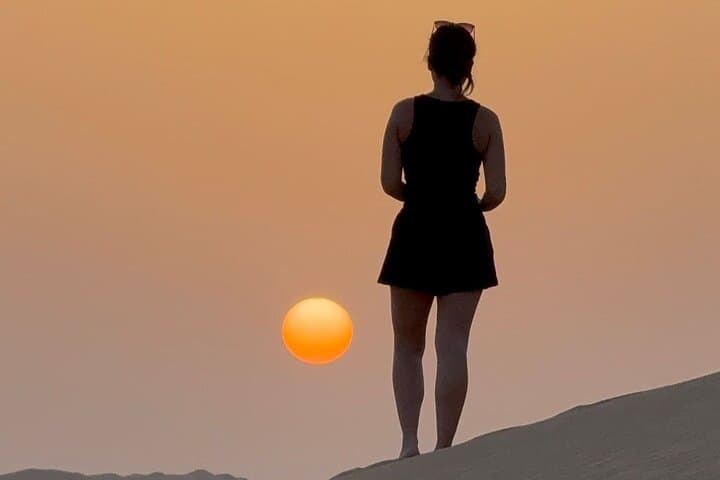

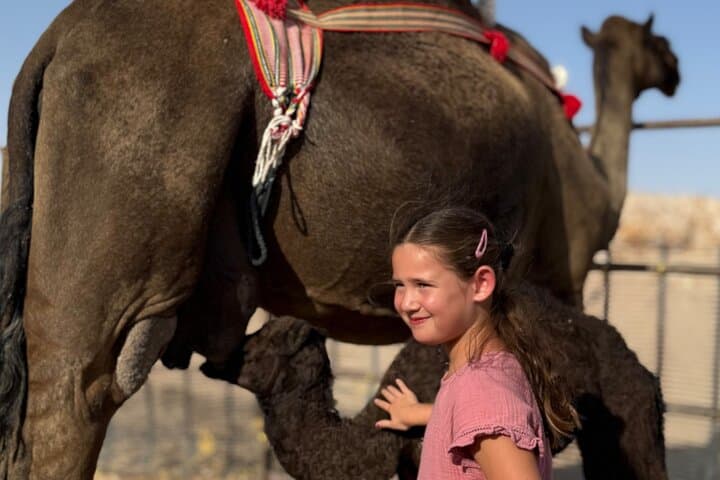

The sun leans low over endless dunes as an air-conditioned vehicle winds away from Salalah’s palms and toward silence — this is the Empty Quarter come alive in late afternoon light. Sand slopes stretch like a living map, and the wind writes new ridges each hour as camels stand patient near a Bedouin welcome.
The sun leans low over endless dunes as an air-conditioned vehicle winds away from Salalah’s palms and toward silence — this is the Empty Quarter come alive in late afternoon light. Sand slopes stretch like a living map, and the wind writes new ridges each hour as camels stand patient near a Bedouin welcome.
This route threads natural history with human history: Wadi Dawkah’s frankincense trees, part of a UNESCO landscape, tell the story of an incense trade that linked South Arabia to the ancient world. Geologically, the Rub' al Khali is a vast sand sea formed by millennia of wind transport; the dunes here are primarily quartz and calcium carbonate that reflect sunset into warm gold.
Culturally the day balances encounters — camel caretakers sharing practical lore, a glimpse of Bedouin hospitality, and the optional camp dinner that follows old recipes fired over coals. Local guides explain frankincense harvesting and the deep relationship between people and this arid land.
Practical guidance is straightforward: travel late in the day to avoid midday heat, carry sun protection and electrolytes, and wear grippy shoes for walking on loose sand. Photography is best during the hour before and after sunset; the dunes throw dramatic shadows and long perspectives. Respect fragile frankincense groves and follow your guide’s route to avoid disturbing wildlife and soft sand habitats. If you opt for the desert camp dinner, expect simple traditional dishes, low lighting, and a strong sense of place — an easy, immersive way to end a long desert afternoon.