THE ADVENTURE COLLECTIVE® · Independent discovery and booking for outdoor travel

Explore Grand Central Terminal’s hidden corners before walking a short Midtown route to the Empire State Building. This small-group outing combines architecture, history, and priority access to the 86th-floor observatory—perfect for a concise New York introduction.
Explore Grand Central Terminal’s hidden corners before walking a short Midtown route to the Empire State Building. This small-group outing combines architecture, history, and priority access to the 86th-floor observatory—perfect for a concise New York introduction.
You meet under the vaulted ceiling of Grand Central Terminal as commuter flow parts around you—sunlight slanting through high windows, the celestial ceiling overhead drawing the eye upward. The guide leads the group through whispering alcoves and past the Tiffany clock, stories folding into the city’s hum as you step out onto 42nd Street and walk toward the Empire State Building.
Verified experiences and guided adventures in the surrounding area.
Operated by See Sight Tours USA · New York, New York
You meet under the vaulted ceiling of Grand Central Terminal as commuter flow parts around you—sunlight slanting through high windows, the celestial ceiling overhead drawing the eye upward. The guide leads the group through whispering alcoves and past the Tiffany clock, stories folding into the city’s hum as you step out onto 42nd Street and walk toward the Empire State Building.
This compact urban excursion threads architectural history and city lore. Grand Central’s Beaux-Arts shell sits atop Manhattan’s schist and shale, while the Empire State Building—completed in 1931—rises from the same bedrock that made Midtown stable for skyscrapers. Along the way the guide highlights details: the Campbell Apartment’s baroque past, the Chrysler Building’s stainless-steel crown, and Bryant Park’s seasonal life.
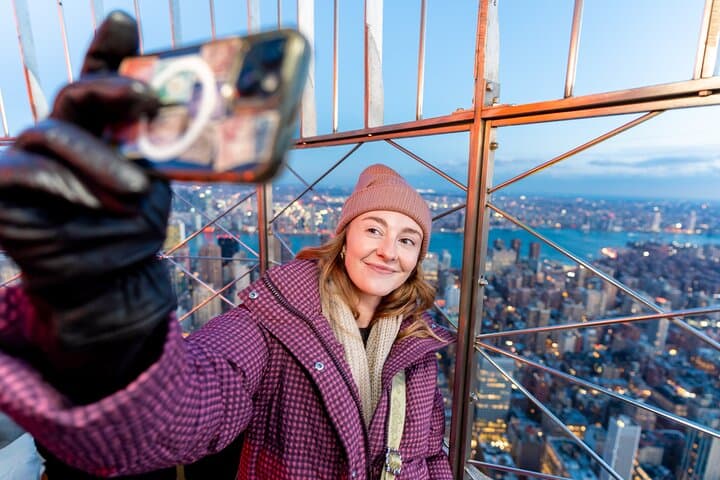
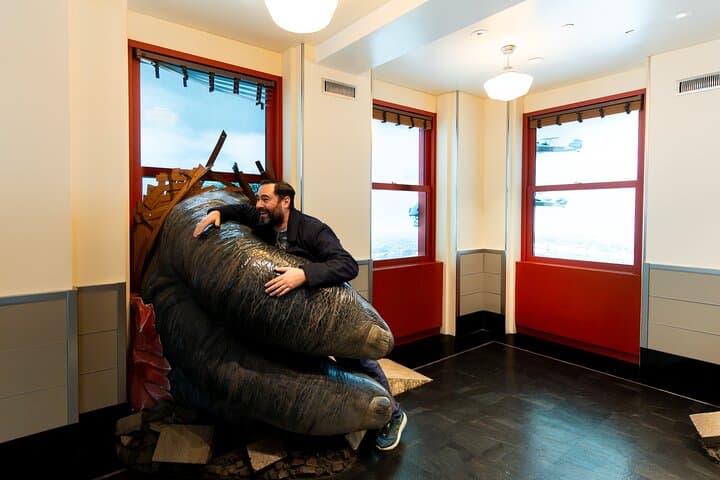
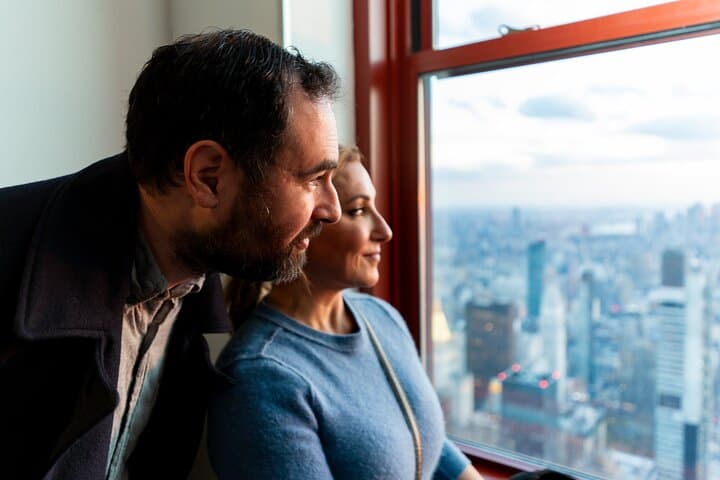
At the 86th-floor Observatory, the skyline opens in concentric layers—rivers “daring you” to trace their courses, boroughs stepping back like stages. Expect photo-ready vistas and concise commentary on design, engineering, and the building’s role in pop culture.
Practicalities are straightforward: the route is mostly flat pavement with some stairs at transit points, suitable for most fitness levels and stroller- and wheelchair-accessible areas. Security lines at the Empire State Building are expedited with priority access on this tour, but bring ID for entry and allow time for bag checks. Morning departures avoid the heaviest crowds and offer softer light for photos.
This is a focused Midtown primer—part walking tour, part observatory visit—that gives first-time visitors an efficient, contextual view of classic New York architecture and skyline perspective.
easy.
2–3 hours.
Suitable for most activity levels; requires moderate standing and walking on paved streets.
The guide meets in Grand Central Terminal’s main concourse near the information booth; they wear branded apparel to help you locate them.
Yes—the tour includes priority access and admission to the 86th-floor Observatory as described in the itinerary.
The route and included locations have accessible areas, but accessibility can vary; contact the operator ahead of time to confirm specific needs.
Yes—strollers are allowed and the tour is family-friendly, though some transit connections may require brief elevator waits.
Grand Central Terminal opened in 1913 as a transportation hub and social space, while the Empire State Building, completed in 1931, symbolized Depression-era ambition and engineering prowess.
High visitor volumes stress historic interiors and public spaces; stick to marked paths, avoid touching murals, and dispose of waste responsibly to help preserve these landmarks.
See Sight Tours USA operates guided outdoor trips and adventures with an emphasis on safety, stewardship, and memorable experiences.
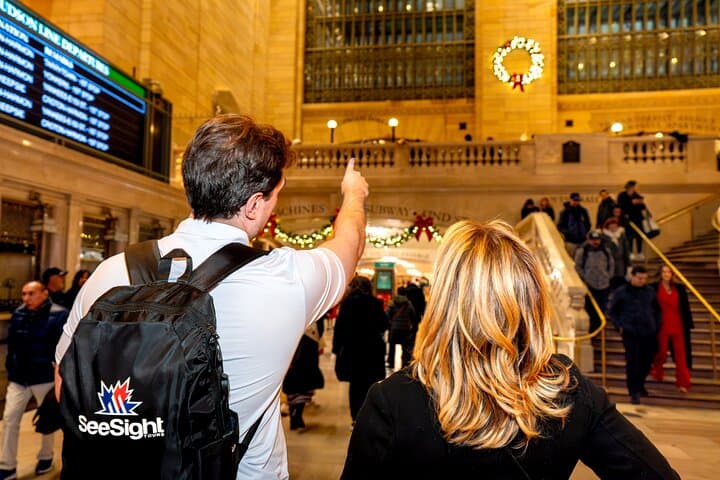
You meet under the vaulted ceiling of Grand Central Terminal as commuter flow parts around you—sunlight slanting through high windows, the celestial ceiling overhead drawing the eye upward. The guide leads the group through whispering alcoves and past the Tiffany clock, stories folding into the city’s hum as you step out onto 42nd Street and walk toward the Empire State Building.
You meet under the vaulted ceiling of Grand Central Terminal as commuter flow parts around you—sunlight slanting through high windows, the celestial ceiling overhead drawing the eye upward. The guide leads the group through whispering alcoves and past the Tiffany clock, stories folding into the city’s hum as you step out onto 42nd Street and walk toward the Empire State Building.
This compact urban excursion threads architectural history and city lore. Grand Central’s Beaux-Arts shell sits atop Manhattan’s schist and shale, while the Empire State Building—completed in 1931—rises from the same bedrock that made Midtown stable for skyscrapers. Along the way the guide highlights details: the Campbell Apartment’s baroque past, the Chrysler Building’s stainless-steel crown, and Bryant Park’s seasonal life.
At the 86th-floor Observatory, the skyline opens in concentric layers—rivers “daring you” to trace their courses, boroughs stepping back like stages. Expect photo-ready vistas and concise commentary on design, engineering, and the building’s role in pop culture.
Practicalities are straightforward: the route is mostly flat pavement with some stairs at transit points, suitable for most fitness levels and stroller- and wheelchair-accessible areas. Security lines at the Empire State Building are expedited with priority access on this tour, but bring ID for entry and allow time for bag checks. Morning departures avoid the heaviest crowds and offer softer light for photos.
This is a focused Midtown primer—part walking tour, part observatory visit—that gives first-time visitors an efficient, contextual view of classic New York architecture and skyline perspective.