THE ADVENTURE COLLECTIVE® · Independent discovery and booking for outdoor travel

Walk the streets that doubled as Emily’s Paris in this focused two-hour tour from the Louvre to Montmartre. A local guide shares filming locations, neighborhood history, and practical tips to make the most of your visit.
Walk the streets that doubled as Emily’s Paris in this focused two-hour tour from the Louvre to Montmartre. A local guide shares filming locations, neighborhood history, and practical tips to make the most of your visit.
You step out of the shadow of the Louvre and the city rearranges itself around the story: cobblestones click underfoot, a Metro entrance coughs steam, and the Seine dares you to walk its bank with a curious eye.
Verified experiences and guided adventures in the surrounding area.
Operated by Paris Through My Eyes · Paris, Île-de-France
You step out of the shadow of the Louvre and the city rearranges itself around the story: cobblestones click underfoot, a Metro entrance coughs steam, and the Seine dares you to walk its bank with a curious eye.
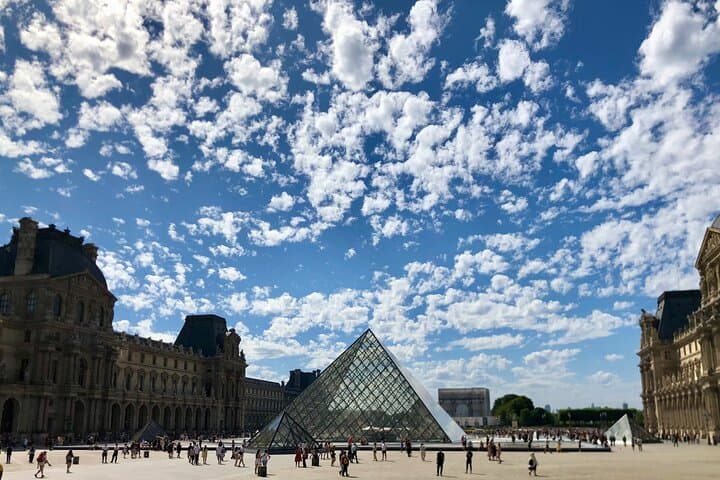
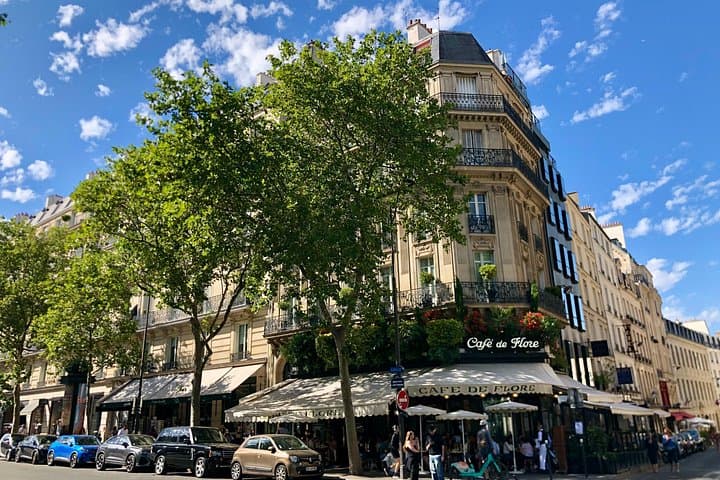
This two-hour walking tour threads through the Paris shown on screen — from the glass pyramid and wide avenues to the smaller parks and streets that doubled as Emily’s haunts. Along the route a guide with local performance background narrates slices of cultural life: how Parisian arrondissements developed around commerce and salons, the 19th-century urban plans that gave the city its boulevards, and how cafés and agencies shaped modern French style.
Geology here is subtle: the city rides on limestone laid down millions of years ago, carved into quarries that became foundations for grand buildings; you’ll see the stone’s pale face in façades and stairways. The guide points out Montmartre’s artist quarter, its hill once a rural retreat, and shares personal anecdotes from life as a former show performer in the city.
Practical guidance is clear: comfortable shoes matter—cobbles bite—and plan to use Metro connections to save time. Bring a small daypack, water, and a charged phone for photos; the route is mostly flat with a few stair climbs in Montmartre. Tours meet near the Louvre’s kiosk; they are best in morning light to avoid crowds and to hear stories without traffic noise. Expect cinematic stops (no admission included) and local tips for cafés where locals actually eat.
moderate.
2 hours.
Light-to-moderate fitness; able to walk continuously for 90–120 minutes with short stair climbs
The tour lasts about two hours and covers roughly 2–3 miles (3–5 km) at a conversational pace with several short stops.
No; this is a walking and pass-by tour focused on filming locations — any paid admissions are not included in the price.
Yes; the route is stroller-accessible in most parts, though some stair sections in Montmartre may require a short lift or an alternate path.
This listing is conducted in English by a local guide; check the booking page for any additional language options or private tour requests.
The route highlights Haussmann-era boulevards and Montmartre’s 19th-century artist community; many façades and passages date to renovations during that period.
Respect historic streets by staying on paved paths, avoid feeding wildlife, and support local businesses that practice sustainable sourcing.
Paris Through My Eyes operates guided outdoor trips and adventures with an emphasis on safety, stewardship, and memorable experiences.
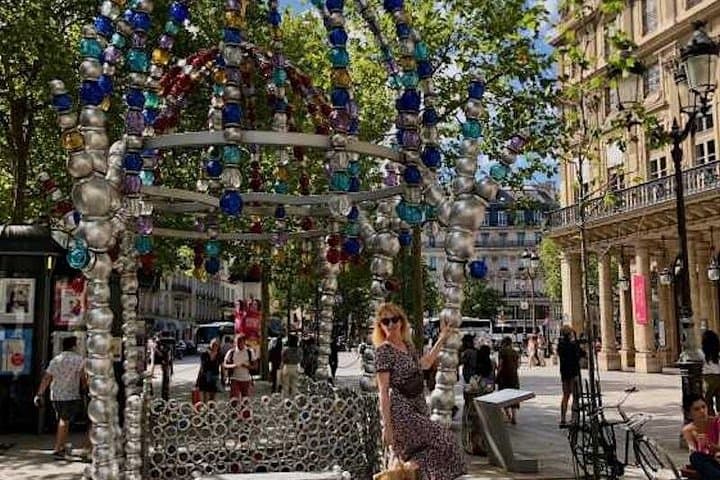
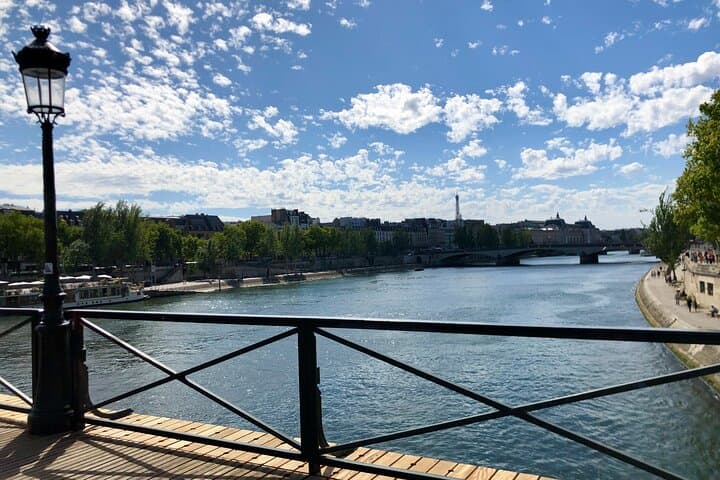
You step out of the shadow of the Louvre and the city rearranges itself around the story: cobblestones click underfoot, a Metro entrance coughs steam, and the Seine dares you to walk its bank with a curious eye.
You step out of the shadow of the Louvre and the city rearranges itself around the story: cobblestones click underfoot, a Metro entrance coughs steam, and the Seine dares you to walk its bank with a curious eye.
This two-hour walking tour threads through the Paris shown on screen — from the glass pyramid and wide avenues to the smaller parks and streets that doubled as Emily’s haunts. Along the route a guide with local performance background narrates slices of cultural life: how Parisian arrondissements developed around commerce and salons, the 19th-century urban plans that gave the city its boulevards, and how cafés and agencies shaped modern French style.
Geology here is subtle: the city rides on limestone laid down millions of years ago, carved into quarries that became foundations for grand buildings; you’ll see the stone’s pale face in façades and stairways. The guide points out Montmartre’s artist quarter, its hill once a rural retreat, and shares personal anecdotes from life as a former show performer in the city.
Practical guidance is clear: comfortable shoes matter—cobbles bite—and plan to use Metro connections to save time. Bring a small daypack, water, and a charged phone for photos; the route is mostly flat with a few stair climbs in Montmartre. Tours meet near the Louvre’s kiosk; they are best in morning light to avoid crowds and to hear stories without traffic noise. Expect cinematic stops (no admission included) and local tips for cafés where locals actually eat.