THE ADVENTURE COLLECTIVE® · Independent discovery and booking for outdoor travel

Board a motorized dugout and cross the Chagres River to an Embera village for a waterfall hike and cultural exchange. This 5–6 hour tour mixes canoe travel, short rainforest trails, and community interaction—ideal for travelers with moderate fitness.
Board a motorized dugout and cross the Chagres River to an Embera village for a waterfall hike and cultural exchange. This 5–6 hour tour mixes canoe travel, short rainforest trails, and community interaction—ideal for travelers with moderate fitness.
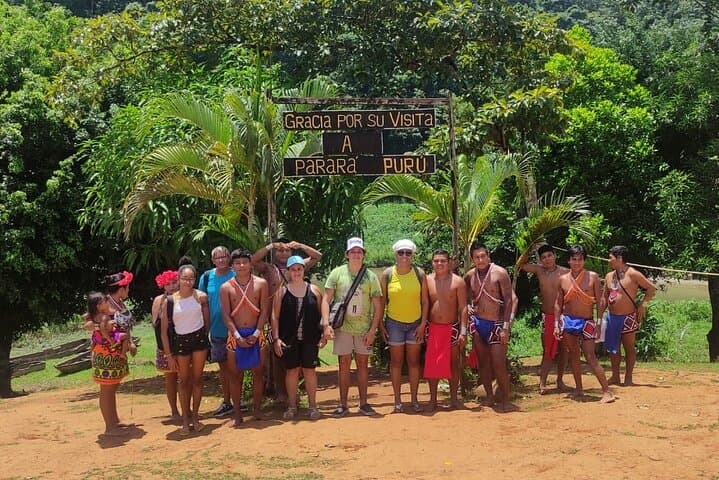
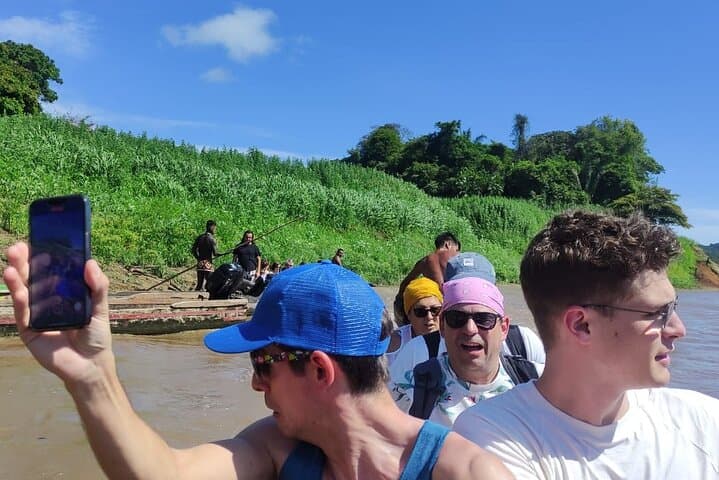
A motorized dugout parts the Chagres River and the forest leans in—vines, buttress roots and a chorus of insect calls. The canoe ride into the Embera territory is immediate: warm river water, the soft slap of paddles and a low, welcome hum as the community waits at the riverbank. Visitors step from boat to a compact village and a short walk to a nearby cascade, where the forest feels both ancient and engaged.
Verified experiences and guided adventures in the surrounding area.
Operated by Tour’s & More PTY · Colón, Colón
A motorized dugout parts the Chagres River and the forest leans in—vines, buttress roots and a chorus of insect calls. The canoe ride into the Embera territory is immediate: warm river water, the soft slap of paddles and a low, welcome hum as the community waits at the riverbank. Visitors step from boat to a compact village and a short walk to a nearby cascade, where the forest feels both ancient and engaged.
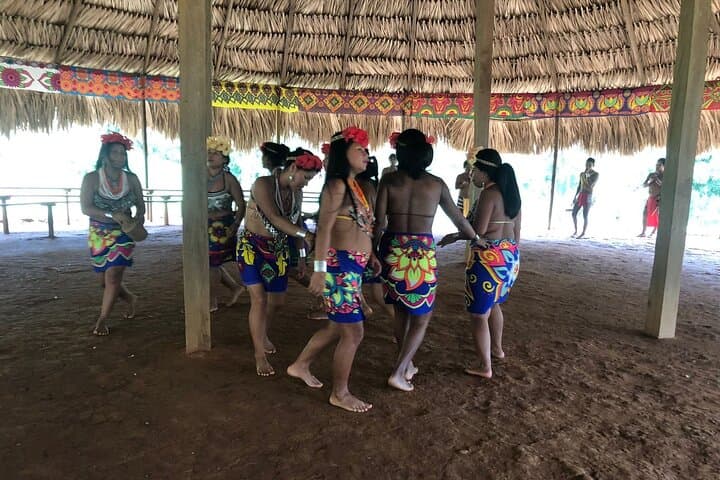
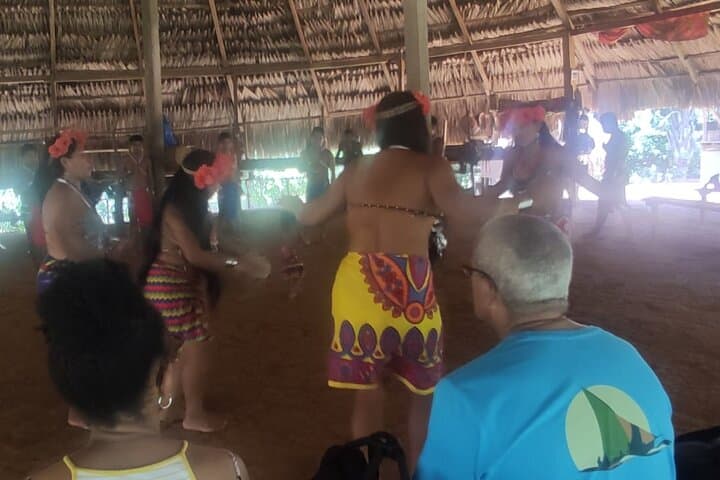
The Embera are one of Panama’s Indigenous groups with a living oral history tied to the Chagres watershed that feeds the Panama Canal. Geologically this lowland rainforest sits on weathered rock and alluvial soils; trails are short, often muddy, and cross shallow streams before climbing modestly toward scenic overlooks and the waterfall. The day blends cultural exchange—traditional crafts, songs, shared meals—with straightforward nature time: birdsong, howler monkeys, and the constant presence of water that carved this landscape.
Practical side: expect a 5–6 hour excursion combining a 20–60 minute river transfer each way and a 20–40 minute round-trip walk to the fall. Trails are uneven and can be slippery after rain; footwear with grip and a lightweight rain shell matter. Guides handle navigation and interpretation; visitors should carry cash for crafts, bring insect repellent, sun protection and a refillable water bottle. Photography is welcome but follow the community’s lead and ask before photographing people. The tour supports local livelihoods and provides a close, manageable introduction to Panamanian rainforest and Indigenous life.
moderate.
5–6 hours.
Moderate—able to board small boats and walk 20–40 minutes on uneven, sometimes muddy trails
Typical canoe transfers range from 20 to 60 minutes each way depending on launch point and water level.
Yes—children with moderate mobility can participate, but expect boat transfers and uneven trails; check age restrictions with the operator.
Bottled water and a community-prepared meal or snack are included, but bring a refillable bottle and any personal snacks if desired.
No—guides often speak basic English, but learning a few Spanish or Embera greetings enhances the cultural exchange.
The Embera maintain centuries-old cultural practices tied to the Chagres watershed; river routes were historical travel corridors before road access.
Tours contribute income to the community and raise awareness for protecting the Chagres watershed—follow Leave No Trace principles and avoid single-use plastics.
Tour’s & More PTY operates guided outdoor trips and adventures with an emphasis on safety, stewardship, and memorable experiences.
A motorized dugout parts the Chagres River and the forest leans in—vines, buttress roots and a chorus of insect calls. The canoe ride into the Embera territory is immediate: warm river water, the soft slap of paddles and a low, welcome hum as the community waits at the riverbank. Visitors step from boat to a compact village and a short walk to a nearby cascade, where the forest feels both ancient and engaged.
A motorized dugout parts the Chagres River and the forest leans in—vines, buttress roots and a chorus of insect calls. The canoe ride into the Embera territory is immediate: warm river water, the soft slap of paddles and a low, welcome hum as the community waits at the riverbank. Visitors step from boat to a compact village and a short walk to a nearby cascade, where the forest feels both ancient and engaged.
The Embera are one of Panama’s Indigenous groups with a living oral history tied to the Chagres watershed that feeds the Panama Canal. Geologically this lowland rainforest sits on weathered rock and alluvial soils; trails are short, often muddy, and cross shallow streams before climbing modestly toward scenic overlooks and the waterfall. The day blends cultural exchange—traditional crafts, songs, shared meals—with straightforward nature time: birdsong, howler monkeys, and the constant presence of water that carved this landscape.
Practical side: expect a 5–6 hour excursion combining a 20–60 minute river transfer each way and a 20–40 minute round-trip walk to the fall. Trails are uneven and can be slippery after rain; footwear with grip and a lightweight rain shell matter. Guides handle navigation and interpretation; visitors should carry cash for crafts, bring insect repellent, sun protection and a refillable water bottle. Photography is welcome but follow the community’s lead and ask before photographing people. The tour supports local livelihoods and provides a close, manageable introduction to Panamanian rainforest and Indigenous life.