THE ADVENTURE COLLECTIVE® · Independent discovery and booking for outdoor travel

Drive the coastal edges of Greater Reykjavík with a guide who links waterfalls, lava fields, and Viking-age ruins to Iceland’s living folklore. Short walks, frequent stops, and clear storytelling make this an accessible way to see nature and hear the elf tales tied to specific rocks and caves.
Drive the coastal edges of Greater Reykjavík with a guide who links waterfalls, lava fields, and Viking-age ruins to Iceland’s living folklore. Short walks, frequent stops, and clear storytelling make this an accessible way to see nature and hear the elf tales tied to specific rocks and caves.
A salt-edged wind pushes across the coastal road as the tour van threads between basalt cliffs and low, moss-dressed lava. You step out at Grótta, where the lighthouse stands on a tidal spit and seabirds wheel, and the guide begins to weave geology and folklore into one running story: how fire-born rock and glacial water shaped the coastline, and why Icelanders still point to certain boulders as elf homes.
Verified experiences and guided adventures in the surrounding area.
Operated by Your Friend In Reykjavik · Reykjavik, Capital Region
A salt-edged wind pushes across the coastal road as the tour van threads between basalt cliffs and low, moss-dressed lava. You step out at Grótta, where the lighthouse stands on a tidal spit and seabirds wheel, and the guide begins to weave geology and folklore into one running story: how fire-born rock and glacial water shaped the coastline, and why Icelanders still point to certain boulders as elf homes.
The Greater Reykjavík area is young terrain — lava flows from Holocene eruptions overlying glacial till — and the sites on this loop reflect that tension between raw earth and human settlement. Hofstaðir Settlement Farm reveals Viking longhouse foundations dated to the 9th–10th centuries; Hellisgerði Lava Park demonstrates how lava morphology makes natural caves and eye-catching rock formations. Kópavogskirkja offers a mid-20th-century architectural counterpoint, while Kermóafoss in Elliðaárdalur foregrounds the small urban rivers that sustain local fishing and birdlife.
Expect short walks (mostly flat paths and some uneven lava rock), frequent photo stops, and stories from a guide comfortable shifting between natural science and tradition. Practical prep: dress in layers and waterproof outerwear, bring sturdy shoes for tidal flats and lava, and keep a refillable water bottle; Icelandic weather can change fast. Morning or late-afternoon light sharpens the lava textures and increases chances of seabird activity; winter evenings bring a shot at the Northern Lights.
This driving tour is ideal for travelers who prefer a compact, narrated route through Reykjavík’s outskirts — a day of accessible geology, cultural history, and the uncanny local legends that still shape how Icelanders read the land.
easy.
5 hours.
Light activity; suitable for most fitness levels with short on/off-vehicle walks
Yes — the tour notes that infants and small children can ride in a pram; some stops have short, stroller-friendly paths but expect uneven terrain at lava sites.
Elves are part of Icelandic folklore shared by guides; sightings are cultural stories rather than verifiable events — the tour highlights reputed elf sites and local beliefs.
Walking is light and optional at most stops, typically under 45–60 minutes per site, with most time spent driving between locations.
The tour operates in varied weather; bring rain and wind protection. Stops may be shortened but the main route usually runs except in extreme conditions.
The route crosses post-glacial lava fields and Viking Age settlement sites like Hofstaðir, offering a window into early Icelandic life and land use.
Stay on paths to protect delicate moss and lichens on lava; local guides encourage Leave No Trace practices and respect for culturally sensitive sites.
Your Friend In Reykjavik operates guided outdoor trips and adventures with an emphasis on safety, stewardship, and memorable experiences.
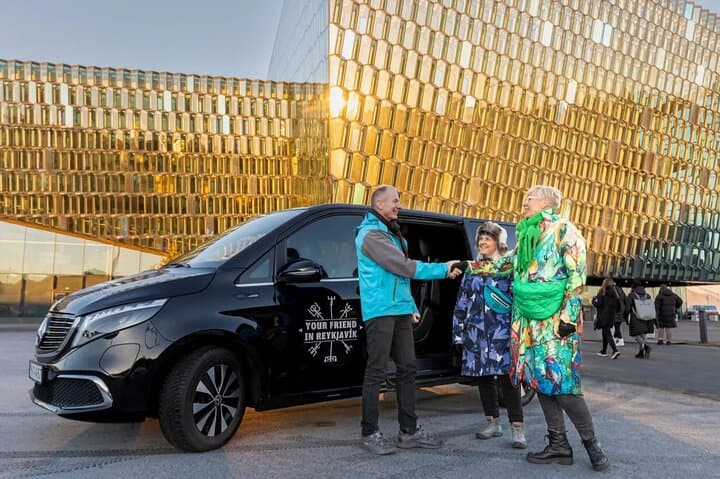
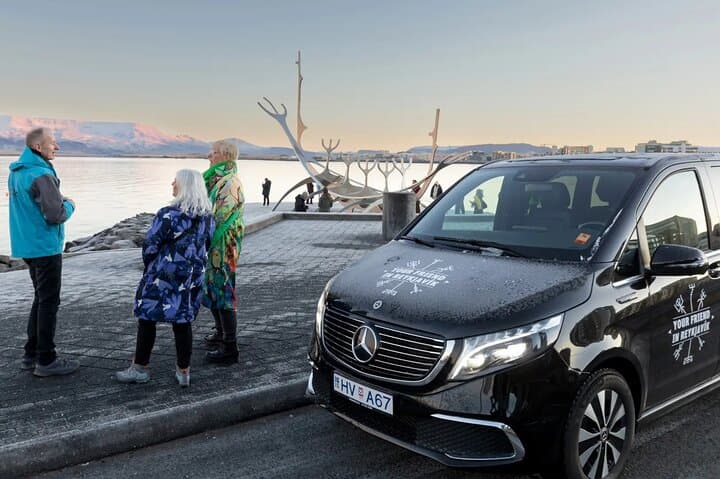
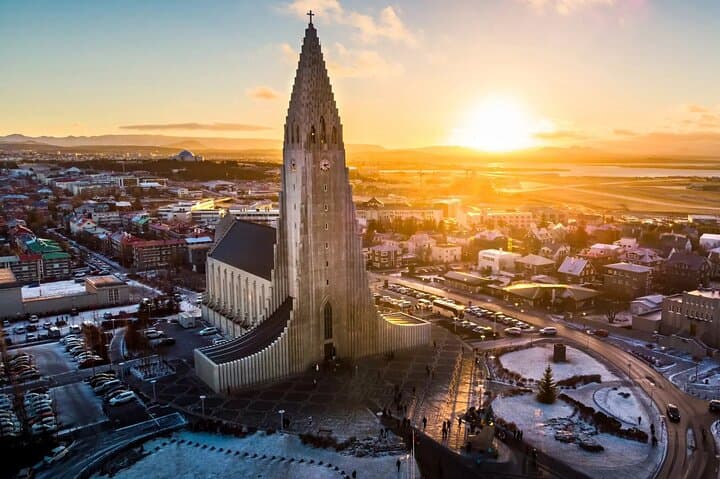
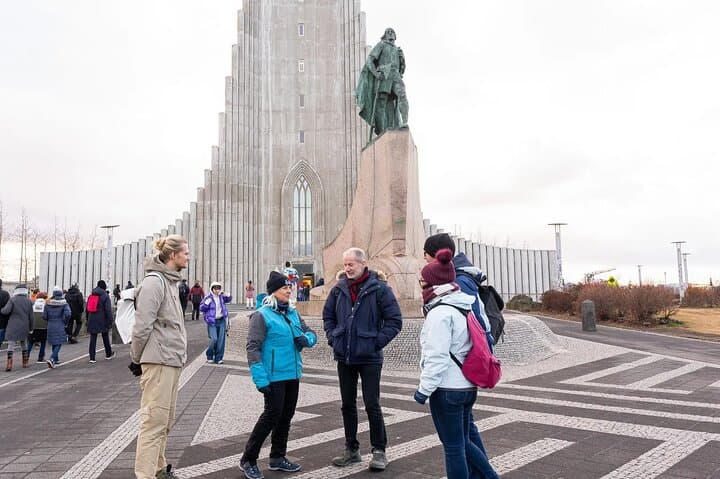
A salt-edged wind pushes across the coastal road as the tour van threads between basalt cliffs and low, moss-dressed lava. You step out at Grótta, where the lighthouse stands on a tidal spit and seabirds wheel, and the guide begins to weave geology and folklore into one running story: how fire-born rock and glacial water shaped the coastline, and why Icelanders still point to certain boulders as elf homes.
A salt-edged wind pushes across the coastal road as the tour van threads between basalt cliffs and low, moss-dressed lava. You step out at Grótta, where the lighthouse stands on a tidal spit and seabirds wheel, and the guide begins to weave geology and folklore into one running story: how fire-born rock and glacial water shaped the coastline, and why Icelanders still point to certain boulders as elf homes.
The Greater Reykjavík area is young terrain — lava flows from Holocene eruptions overlying glacial till — and the sites on this loop reflect that tension between raw earth and human settlement. Hofstaðir Settlement Farm reveals Viking longhouse foundations dated to the 9th–10th centuries; Hellisgerði Lava Park demonstrates how lava morphology makes natural caves and eye-catching rock formations. Kópavogskirkja offers a mid-20th-century architectural counterpoint, while Kermóafoss in Elliðaárdalur foregrounds the small urban rivers that sustain local fishing and birdlife.
Expect short walks (mostly flat paths and some uneven lava rock), frequent photo stops, and stories from a guide comfortable shifting between natural science and tradition. Practical prep: dress in layers and waterproof outerwear, bring sturdy shoes for tidal flats and lava, and keep a refillable water bottle; Icelandic weather can change fast. Morning or late-afternoon light sharpens the lava textures and increases chances of seabird activity; winter evenings bring a shot at the Northern Lights.
This driving tour is ideal for travelers who prefer a compact, narrated route through Reykjavík’s outskirts — a day of accessible geology, cultural history, and the uncanny local legends that still shape how Icelanders read the land.