THE ADVENTURE COLLECTIVE® · Independent discovery and booking for outdoor travel

Step off the bustle of Frankfurt and into the Rheingau’s vine-lined slopes. This half-day excursion sends you to Eltville and Kloster Eberbach, where Gothic stonework and centuries of winemaking sit beside the River Rhine.
Step off the bustle of Frankfurt and into the Rheingau’s vine-lined slopes. This half-day excursion sends you to Eltville and Kloster Eberbach, where Gothic stonework and centuries of winemaking sit beside the River Rhine.
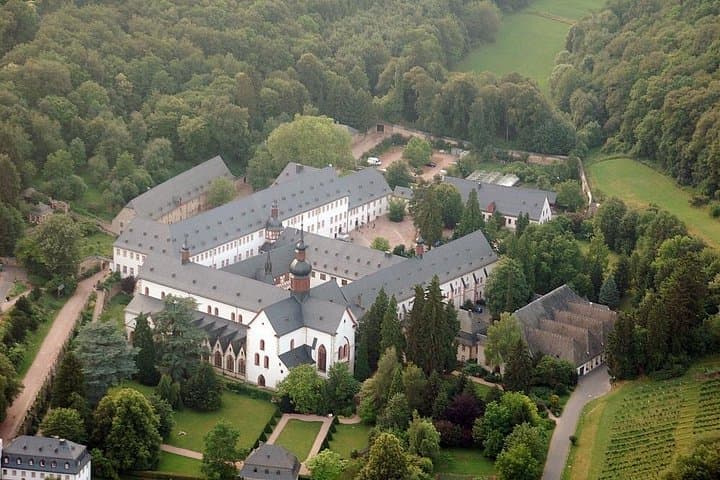
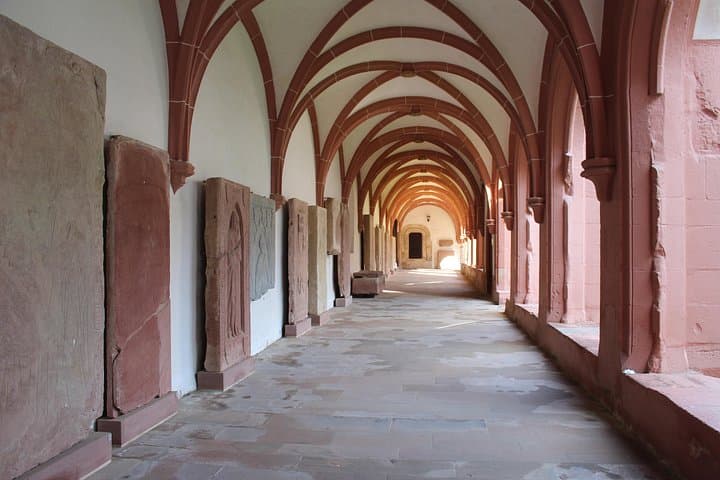
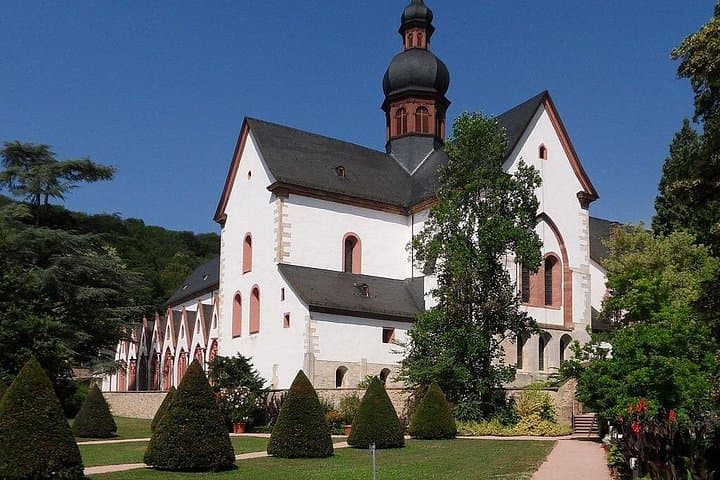
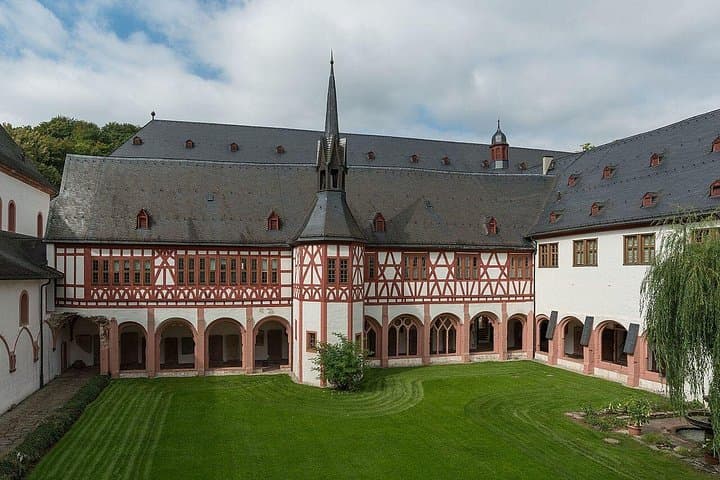
A morning train or private transfer slips out of Frankfurt and the Rhine appears like a moving mirror, daring you to slow down. In Eltville the town breathes wine: terraces of vines slope toward the river and cobbled streets lead to the shadowed stone of Kloster Eberbach. Approaching the abbey, Gothic arches and buttresses lean into the light, while the vines that sustained these monks for centuries cling to the slopes beyond.
Verified experiences and guided adventures in the surrounding area.
Operated by BlackBuck Travels · Eltville am Rhein, Hesse
A morning train or private transfer slips out of Frankfurt and the Rhine appears like a moving mirror, daring you to slow down. In Eltville the town breathes wine: terraces of vines slope toward the river and cobbled streets lead to the shadowed stone of Kloster Eberbach. Approaching the abbey, Gothic arches and buttresses lean into the light, while the vines that sustained these monks for centuries cling to the slopes beyond.
Kloster Eberbach dates to the 12th century and grew alongside the Rheingau’s reputation for Riesling. Geologically the region is shallow soils over Taunus quartzite and slate, a mix that stresses vines and concentrates flavors. Culturally the abbey has been a filming location and the stage for the Rheingau Musik Festival; today its cellars still hint at centuries of winemaking practice.
Expect a mostly flat, easy walk around cloisters, nave and vineyard-adjacent paths — plan roughly 1–2 km of walking onsite within a 3–4 hour excursion from Frankfurt. Practicalities: the tour is wheelchair- and stroller-accessible in portions but historic thresholds exist; bring layered clothing for river breezes and a rain shell in spring and fall. Midday light is best for photos; if wine tasting is offered, sample small pours and hydrate between stops. Guided visits cut through the history and get you closer to the places where vine, stone and ritual meet, making this an ideal half-day escape for anyone curious about Rhine culture and quiet landscape.
easy.
3–4 hours.
Suitable for most fitness levels; light walking on even and historic surfaces with short distances.
Admission is typically not included on standard excursions; guided tours often coordinate entry, so check your booking details.
Options include regional trains to Eltville station (about 30–45 minutes) or private transfer; many tours provide transport depending on the package.
Parts of the abbey and nearby streets are accessible, but some historic thresholds and steps may limit full access—confirm specifics with your operator.
Kloster Eberbach and nearby wineries sometimes offer tastings; availability varies seasonally and by provider—ask ahead to arrange samplings.
Kloster Eberbach was founded in the 12th century as a Cistercian monastery; its Gothic architecture and cellars reflect centuries of ecclesiastical winemaking in the Rheingau.
Vineyard stewardship and responsible tourism are priorities in the Rheingau—stay on marked paths, avoid stepping on vine rows and support local producers to keep landscapes intact.
BlackBuck Travels operates guided outdoor trips and adventures with an emphasis on safety, stewardship, and memorable experiences.
A morning train or private transfer slips out of Frankfurt and the Rhine appears like a moving mirror, daring you to slow down. In Eltville the town breathes wine: terraces of vines slope toward the river and cobbled streets lead to the shadowed stone of Kloster Eberbach. Approaching the abbey, Gothic arches and buttresses lean into the light, while the vines that sustained these monks for centuries cling to the slopes beyond.
A morning train or private transfer slips out of Frankfurt and the Rhine appears like a moving mirror, daring you to slow down. In Eltville the town breathes wine: terraces of vines slope toward the river and cobbled streets lead to the shadowed stone of Kloster Eberbach. Approaching the abbey, Gothic arches and buttresses lean into the light, while the vines that sustained these monks for centuries cling to the slopes beyond.
Kloster Eberbach dates to the 12th century and grew alongside the Rheingau’s reputation for Riesling. Geologically the region is shallow soils over Taunus quartzite and slate, a mix that stresses vines and concentrates flavors. Culturally the abbey has been a filming location and the stage for the Rheingau Musik Festival; today its cellars still hint at centuries of winemaking practice.
Expect a mostly flat, easy walk around cloisters, nave and vineyard-adjacent paths — plan roughly 1–2 km of walking onsite within a 3–4 hour excursion from Frankfurt. Practicalities: the tour is wheelchair- and stroller-accessible in portions but historic thresholds exist; bring layered clothing for river breezes and a rain shell in spring and fall. Midday light is best for photos; if wine tasting is offered, sample small pours and hydrate between stops. Guided visits cut through the history and get you closer to the places where vine, stone and ritual meet, making this an ideal half-day escape for anyone curious about Rhine culture and quiet landscape.