THE ADVENTURE COLLECTIVE® · Independent discovery and booking for outdoor travel

Walk from Ella through forest and tea estates to the iconic Nine Arch Bridge and Demodara Loop on Stage 16 of The Pekoe Trail. This compact, scenic stage blends engineering history, village life, and sweeping hill-country views in a 5–6 hour outing.
Walk from Ella through forest and tea estates to the iconic Nine Arch Bridge and Demodara Loop on Stage 16 of The Pekoe Trail. This compact, scenic stage blends engineering history, village life, and sweeping hill-country views in a 5–6 hour outing.
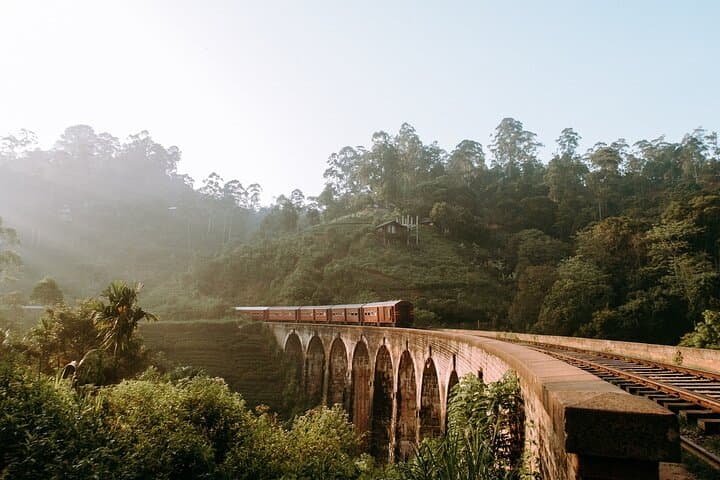
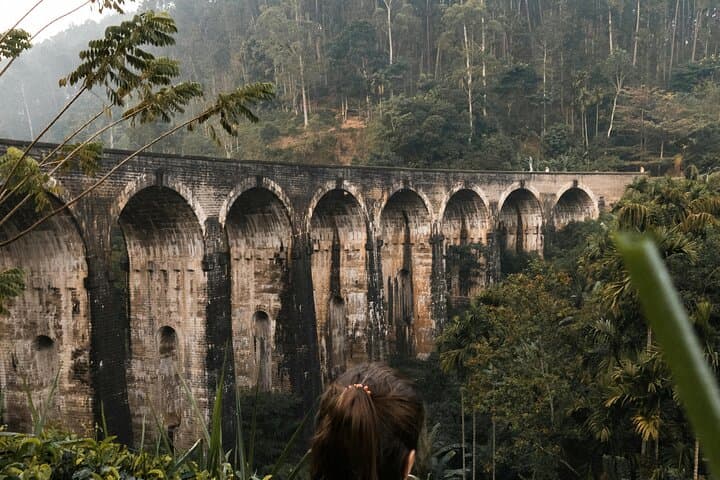
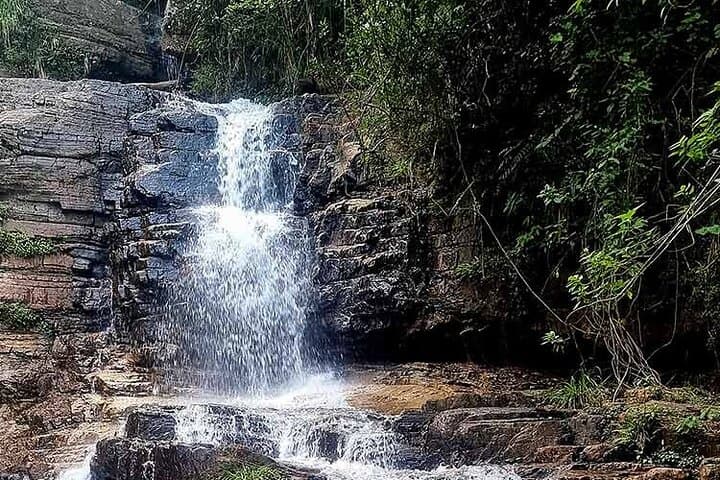
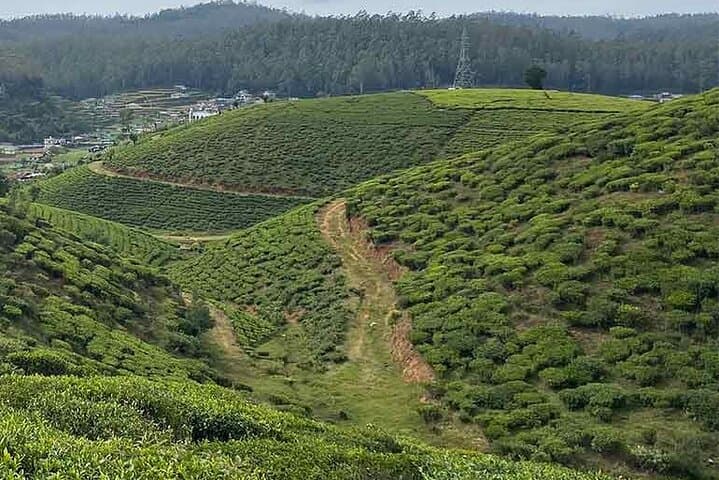
A morning on Stage 16 opens with mist lifting off tea terraces and a quiet road that quickly narrows into the Ella Forest Reserve. You step from the town’s low hum into bird song, soft earth underfoot and views that unfold in tiers—terraced tea, distant ridgelines and the railway thread that stitches the hills together. The trail is compact but varied: shaded forest tracks, stepped tea-garden paths and short stretches of village road that offer intimate views of the famous Nine Arch Bridge.
Verified experiences and guided adventures in the surrounding area.
Operated by Ella Holidays · Ella, Uva Province
A morning on Stage 16 opens with mist lifting off tea terraces and a quiet road that quickly narrows into the Ella Forest Reserve. You step from the town’s low hum into bird song, soft earth underfoot and views that unfold in tiers—terraced tea, distant ridgelines and the railway thread that stitches the hills together. The trail is compact but varied: shaded forest tracks, stepped tea-garden paths and short stretches of village road that offer intimate views of the famous Nine Arch Bridge.
Built during the British colonial period to link the hill country with Colombo, the rail infrastructure here—most famously the Nine Arch Bridge and the Demodara loop—speaks to early-20th-century engineering and the island’s tea-driven economy. Geology is simple but striking: steep, heavily-weathered schist and granite outcrops shaped by tropical weathering, with soils rich enough for tea cultivation.
Culturally, this stage moves through working hill-country villages where tea is both livelihood and landscape; conversations with vendors and tea workers are common and welcomed. Expect encounters with purple-faced langurs and junglefowl at dawn and late afternoon.
Practical guidance: the stage typically takes 5–6 hours, about 6–8 km with roughly 150–300 m of cumulative ascent and descent on uneven stone steps and compacted dirt. Wear good-grip footwear, bring 1–1.5 L water, and time your walk around train schedules for the best bridge views. Respect private estate paths, keep noise low near villages, and pack a light rain shell—cloudbursts are frequent in the hills.
moderate.
5–6 hours.
Suitable for moderately fit walkers comfortable with several hours of walking and short steep sections; not technical but uneven underfoot.
Expect about 5–6 hours on-trail including stops; distance is roughly 6–8 km depending on exact route and viewpoints you visit.
A guide enhances local insight and navigation through tea estates and village tracks, but experienced walkers can do it independently if they follow marked paths and train timetables.
Yes—there are viewpoints and village roads that lead to the bridge; cross only where permitted and stay clear of tracks when trains approach.
Yes—expect stepped sections through tea gardens and short steep climbs; poles and good footwear help those with knee concerns.
The trail runs through terrain shaped by British-era railway construction (early 20th century) and the subsequent growth of high-country tea plantations that define the region’s economy.
Stick to paths through tea estates to prevent erosion and respect farm boundaries; support local operators who minimize waste and use refillable water where possible.
Ella Holidays operates guided outdoor trips and adventures with an emphasis on safety, stewardship, and memorable experiences.
A morning on Stage 16 opens with mist lifting off tea terraces and a quiet road that quickly narrows into the Ella Forest Reserve. You step from the town’s low hum into bird song, soft earth underfoot and views that unfold in tiers—terraced tea, distant ridgelines and the railway thread that stitches the hills together. The trail is compact but varied: shaded forest tracks, stepped tea-garden paths and short stretches of village road that offer intimate views of the famous Nine Arch Bridge.
A morning on Stage 16 opens with mist lifting off tea terraces and a quiet road that quickly narrows into the Ella Forest Reserve. You step from the town’s low hum into bird song, soft earth underfoot and views that unfold in tiers—terraced tea, distant ridgelines and the railway thread that stitches the hills together. The trail is compact but varied: shaded forest tracks, stepped tea-garden paths and short stretches of village road that offer intimate views of the famous Nine Arch Bridge.
Built during the British colonial period to link the hill country with Colombo, the rail infrastructure here—most famously the Nine Arch Bridge and the Demodara loop—speaks to early-20th-century engineering and the island’s tea-driven economy. Geology is simple but striking: steep, heavily-weathered schist and granite outcrops shaped by tropical weathering, with soils rich enough for tea cultivation.
Culturally, this stage moves through working hill-country villages where tea is both livelihood and landscape; conversations with vendors and tea workers are common and welcomed. Expect encounters with purple-faced langurs and junglefowl at dawn and late afternoon.
Practical guidance: the stage typically takes 5–6 hours, about 6–8 km with roughly 150–300 m of cumulative ascent and descent on uneven stone steps and compacted dirt. Wear good-grip footwear, bring 1–1.5 L water, and time your walk around train schedules for the best bridge views. Respect private estate paths, keep noise low near villages, and pack a light rain shell—cloudbursts are frequent in the hills.