THE ADVENTURE COLLECTIVE® · Independent discovery and booking for outdoor travel

Walk through bright green tea rows, meet tea pluckers and tour Halpe’s small factory to learn how Ceylon tea is made and tasted. A half-day, accessible cultural experience with sweeping highland views.
Walk through bright green tea rows, meet tea pluckers and tour Halpe’s small factory to learn how Ceylon tea is made and tasted. A half-day, accessible cultural experience with sweeping highland views.
You step out of the jeep onto a narrow dirt track and the plantation opens like a living map: low, clipped rows of green pushing toward purple-hazed hills. Tea pickers move through the beds with practiced rhythm while the scent of cut leaves and wet soil hangs in the air.
Verified experiences and guided adventures in the surrounding area.
Operated by Lakpura LLC · Ella, Uva Province
You step out of the jeep onto a narrow dirt track and the plantation opens like a living map: low, clipped rows of green pushing toward purple-hazed hills. Tea pickers move through the beds with practiced rhythm while the scent of cut leaves and wet soil hangs in the air.
This walk-and-tour centers on a working Halpe tea estate and its small factory. Tea cultivation in Sri Lanka dates to the 19th century when British planters converted former coffee lands into tea fields; Uva’s cool, misty slopes produce distinct, brisk Ceylon teas prized for their aroma. Geology here is old highland rock—granite and metamorphic formations that create steep ridges and valleys, feeding consistent humidity and clear drainage that tea plants favor. Culturally, estates are community hubs: generations of families work as pickers and factory hands, and English or Sinhala-speaking guides often translate day-to-day stories behind each cup.
The factory tour shows withering troughs, rolling machines, oxidation rooms and drying ovens; tasting highlights how withering time and leaf grade affect flavor. Along the trail, keep an eye for small streams daring you to cross on stepping stones and shaded lanes where birds call from clumps of bamboo.
Practical guidance: plan a three-hour visit in the morning when leaves are freshest and light is best for photos. Wear sturdy shoes and a light rain layer; bring water and insect repellent. Respect working areas—ask before photographing people—and budget a small tip if you meet pickers. Hotel pickup is usually included, making this an accessible half-day cultural-wildland experience from Ella.
easy.
3 hours.
Suitable for all fitness levels; requires short walks on uneven paths and gentle slopes.
The experience typically lasts about three hours including hotel pickup, a walk through the plantation and the factory tour with tasting.
The walk is easy and suitable for most children; operators sometimes advise pregnant travelers to check with their provider—this particular tour notes it is not recommended for pregnant travelers.
Yes — most estates or nearby shops sell freshly processed tea; bring cash or card depending on the vendor, and expect small, locally packed varieties.
Hotel pickup and drop-off are commonly included with this tour, but confirm at booking and provide your pickup point details if requested.
Tea replaced coffee in Sri Lanka’s highlands after a blight in the late 1800s; estates in Uva became important producers of Ceylon tea with distinct regional flavors.
Stay on marked tracks and avoid disturbing pickers; reducing plastic waste and buying locally packed tea supports small estate economies and lowers environmental impact.
Lakpura LLC operates guided outdoor trips and adventures with an emphasis on safety, stewardship, and memorable experiences.
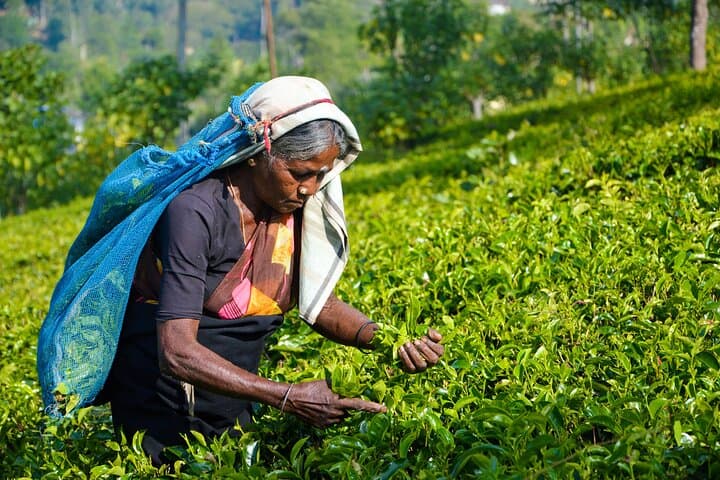
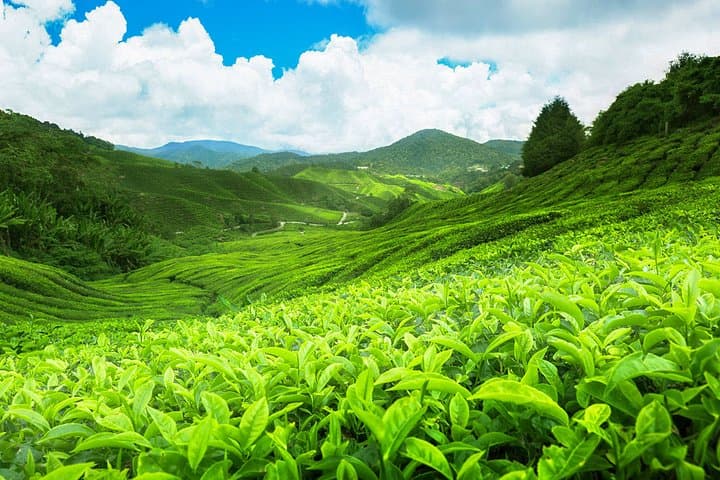
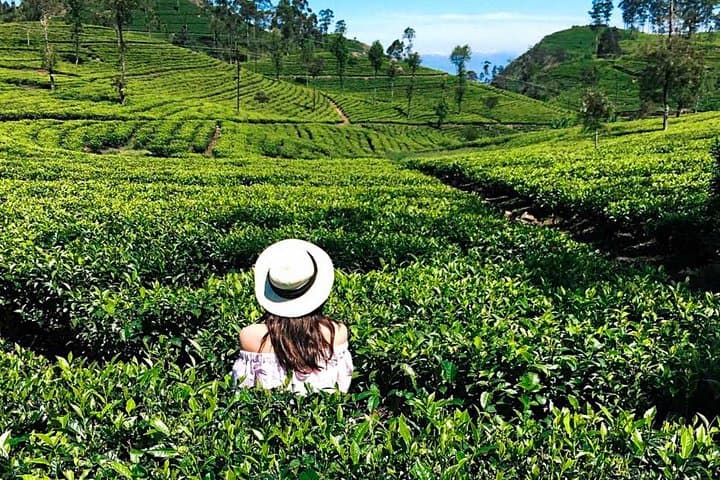
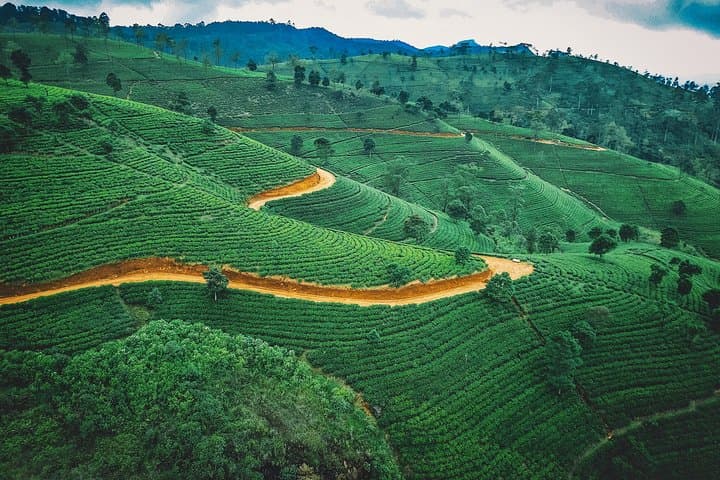
You step out of the jeep onto a narrow dirt track and the plantation opens like a living map: low, clipped rows of green pushing toward purple-hazed hills. Tea pickers move through the beds with practiced rhythm while the scent of cut leaves and wet soil hangs in the air.
You step out of the jeep onto a narrow dirt track and the plantation opens like a living map: low, clipped rows of green pushing toward purple-hazed hills. Tea pickers move through the beds with practiced rhythm while the scent of cut leaves and wet soil hangs in the air.
This walk-and-tour centers on a working Halpe tea estate and its small factory. Tea cultivation in Sri Lanka dates to the 19th century when British planters converted former coffee lands into tea fields; Uva’s cool, misty slopes produce distinct, brisk Ceylon teas prized for their aroma. Geology here is old highland rock—granite and metamorphic formations that create steep ridges and valleys, feeding consistent humidity and clear drainage that tea plants favor. Culturally, estates are community hubs: generations of families work as pickers and factory hands, and English or Sinhala-speaking guides often translate day-to-day stories behind each cup.
The factory tour shows withering troughs, rolling machines, oxidation rooms and drying ovens; tasting highlights how withering time and leaf grade affect flavor. Along the trail, keep an eye for small streams daring you to cross on stepping stones and shaded lanes where birds call from clumps of bamboo.
Practical guidance: plan a three-hour visit in the morning when leaves are freshest and light is best for photos. Wear sturdy shoes and a light rain layer; bring water and insect repellent. Respect working areas—ask before photographing people—and budget a small tip if you meet pickers. Hotel pickup is usually included, making this an accessible half-day cultural-wildland experience from Ella.