THE ADVENTURE COLLECTIVE® · Independent discovery and booking for outdoor travel

Spend a full day crossing Sri Lanka’s central highlands from Hambantota to Ella: walk Little Adam’s Peak, watch trains curve over the Nine Arches Bridge, tour a working tea factory, and visit Ravana Falls.
Spend a full day crossing Sri Lanka’s central highlands from Hambantota to Ella: walk Little Adam’s Peak, watch trains curve over the Nine Arches Bridge, tour a working tea factory, and visit Ravana Falls.
You step out of the air-conditioned van into mist that clings to steep tea slopes; the smell of damp earth and cut leaves fills the air and the valley opens in green tiers. The day unfurls as a sequence of textured encounters: a colonial-era viaduct arching over jungle, a short ridge walk that rewards you with sweeping valley views, a tea factory where machines sigh and tasters swirl, and a waterfall that throws itself off the cliff in sheets.
Verified experiences and guided adventures in the surrounding area.
Operated by Classical Lanka Tours · Ella, Uva Province
You step out of the air-conditioned van into mist that clings to steep tea slopes; the smell of damp earth and cut leaves fills the air and the valley opens in green tiers. The day unfurls as a sequence of textured encounters: a colonial-era viaduct arching over jungle, a short ridge walk that rewards you with sweeping valley views, a tea factory where machines sigh and tasters swirl, and a waterfall that throws itself off the cliff in sheets.
Ella sits in Sri Lanka’s central highlands, carved from Miocene rock uplift and carved further by rivers that cut deep gaps—Ella Gap offers dramatic relief between plateau and lowland. The Nine Arches Bridge, built in the early 20th century, reflects the island’s plantation-era engineering; nearby Dowa Rock Temple offers a 2,000-year-old Buddhist footprint in polished granite. Halpewatte and nearby factories preserve both tradition and modern mechanized processing, where Ceylon tea is graded, packed, and tasted.
Practically, expect a long day—10 to 12 hours—largely on paved roads with short hikes. Little Adam’s Peak is an accessible scramble: roughly 1–1.5 km round trip with 100–200 m of modest ascent over stone steps and switchbacks. Trails are uneven, potentially muddy after rain. Wear grippy shoes, carry water and sun protection, and plan photography stops; the private transfer usually includes bottled water and admissions. If you suffer mobility limitations, temple access and some viewpoints are straightforward, but the peak and bridge approaches include stairs and narrow paths. With basic fitness, a sense of curiosity, and respect for local sites, the route rewards with dramatic vistas, fresh tea tasting, and tangible cultural layers of Sri Lanka’s hill country.
moderate.
10–12 hours.
Moderate fitness for short uphill walks and multiple short stops; comfortable walking and stair-climbing ability required.
The full day tour runs about 10–12 hours and typically includes private air-conditioned transportation, bottled water, and entry to listed sites and the tea factory.
No; Little Adam’s Peak is a short, well-trod climb of roughly 1–1.5 km round trip with moderate steps—suitable for most with basic mobility.
The tour notes wheelchair and stroller accessibility for vehicle stops, but some viewpoints and temple approaches involve steps and uneven ground and may not be fully accessible.
Meals are not always included; bring snacks or check the booking details for meal inclusions and planned breaks where local food can be purchased.
Ella and its bridges rose in prominence during the British-planter era; tea plantations reshaped the landscape and economy of the central highlands from the 19th century onward.
Highland ecosystems are sensitive to erosion and invasive species; stick to trails, avoid single-use plastics, and support small local operators who practice sustainable plantation management.
Classical Lanka Tours operates guided outdoor trips and adventures with an emphasis on safety, stewardship, and memorable experiences.
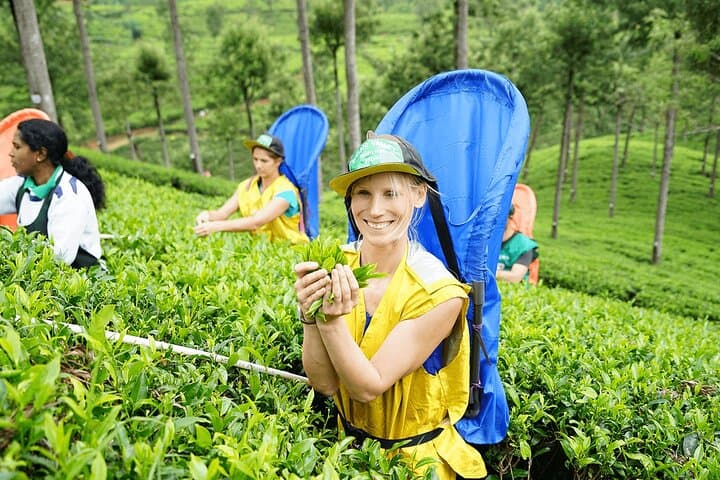
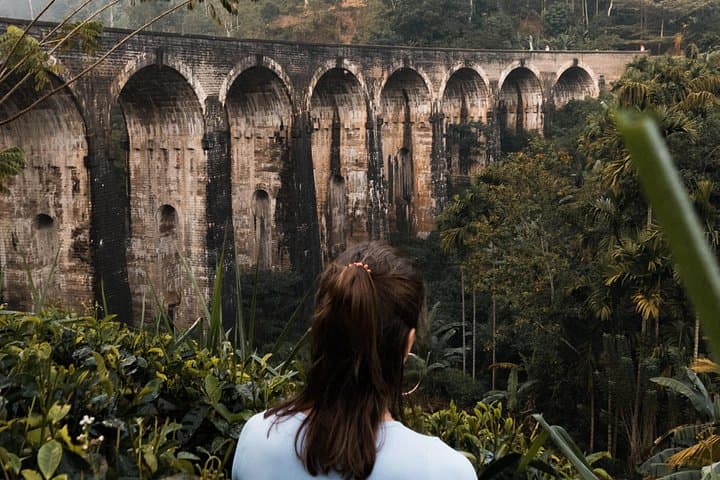
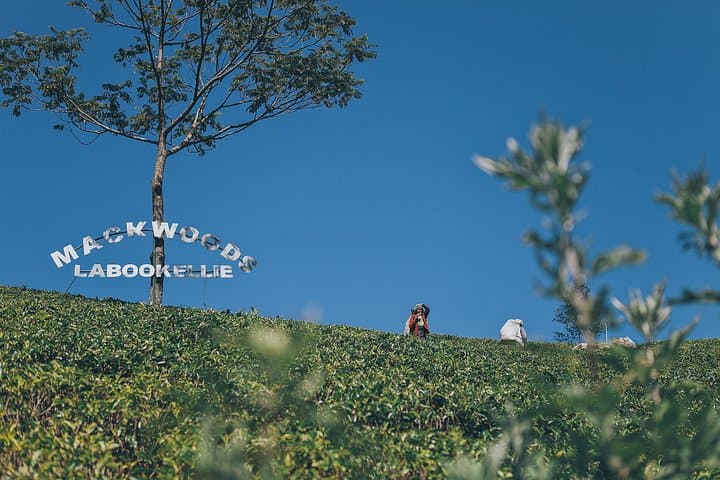
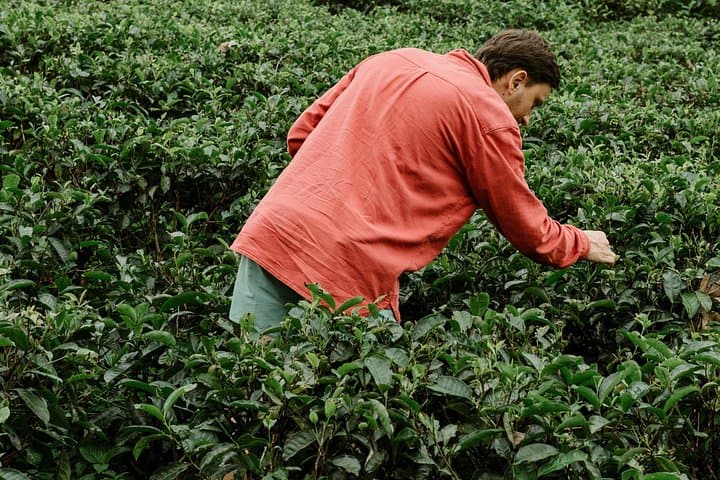
You step out of the air-conditioned van into mist that clings to steep tea slopes; the smell of damp earth and cut leaves fills the air and the valley opens in green tiers. The day unfurls as a sequence of textured encounters: a colonial-era viaduct arching over jungle, a short ridge walk that rewards you with sweeping valley views, a tea factory where machines sigh and tasters swirl, and a waterfall that throws itself off the cliff in sheets.
You step out of the air-conditioned van into mist that clings to steep tea slopes; the smell of damp earth and cut leaves fills the air and the valley opens in green tiers. The day unfurls as a sequence of textured encounters: a colonial-era viaduct arching over jungle, a short ridge walk that rewards you with sweeping valley views, a tea factory where machines sigh and tasters swirl, and a waterfall that throws itself off the cliff in sheets.
Ella sits in Sri Lanka’s central highlands, carved from Miocene rock uplift and carved further by rivers that cut deep gaps—Ella Gap offers dramatic relief between plateau and lowland. The Nine Arches Bridge, built in the early 20th century, reflects the island’s plantation-era engineering; nearby Dowa Rock Temple offers a 2,000-year-old Buddhist footprint in polished granite. Halpewatte and nearby factories preserve both tradition and modern mechanized processing, where Ceylon tea is graded, packed, and tasted.
Practically, expect a long day—10 to 12 hours—largely on paved roads with short hikes. Little Adam’s Peak is an accessible scramble: roughly 1–1.5 km round trip with 100–200 m of modest ascent over stone steps and switchbacks. Trails are uneven, potentially muddy after rain. Wear grippy shoes, carry water and sun protection, and plan photography stops; the private transfer usually includes bottled water and admissions. If you suffer mobility limitations, temple access and some viewpoints are straightforward, but the peak and bridge approaches include stairs and narrow paths. With basic fitness, a sense of curiosity, and respect for local sites, the route rewards with dramatic vistas, fresh tea tasting, and tangible cultural layers of Sri Lanka’s hill country.