THE ADVENTURE COLLECTIVE® · Independent discovery and booking for outdoor travel

Step from Aswan's quays onto Elephantine Island and walk centuries of Nile history. This three-hour private tour mixes temple ruins, Nubian village life, and calm river views — ideal for travelers who want a compact, culturally rich outing.
Step from Aswan's quays onto Elephantine Island and walk centuries of Nile history. This three-hour private tour mixes temple ruins, Nubian village life, and calm river views — ideal for travelers who want a compact, culturally rich outing.
The Nile parts like a slow breath around Elephantine Island, and the first step ashore feels like stepping into a different pace of Egypt. Palm-fringed paths run between archaeological mounds and small Nubian homes; the river moves with an easy insistence, pushing you toward whitewashed temples and shady courtyards.
Verified experiences and guided adventures in the surrounding area.
Operated by Egipto Excursiones · Aswan, Aswan Governorate
The Nile parts like a slow breath around Elephantine Island, and the first step ashore feels like stepping into a different pace of Egypt. Palm-fringed paths run between archaeological mounds and small Nubian homes; the river moves with an easy insistence, pushing you toward whitewashed temples and shady courtyards.
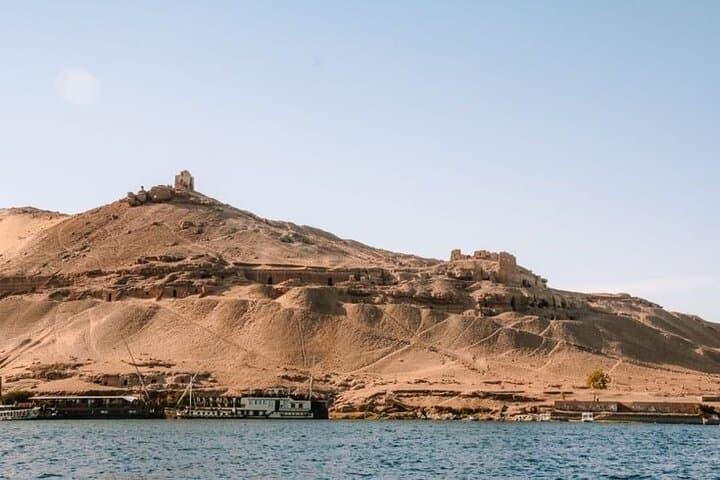
This compact island sits at the heart of Aswan's river history: a strategic trade post and sacred site where the Temple of Khnum once directed the flow of life. The geology is primarily Nile alluvium sitting atop ancient granite outcrops—the same stone that fed pharaonic quarries upriver—so ruins and bedrock sit cheek-by-jowl. Local culture is visible in painted doorways, small market stalls, and the cadence of Nubian greetings; guides often weave tales of irrigation, ferry crossings, and the island’s role as a boundary marker near the first cataract.
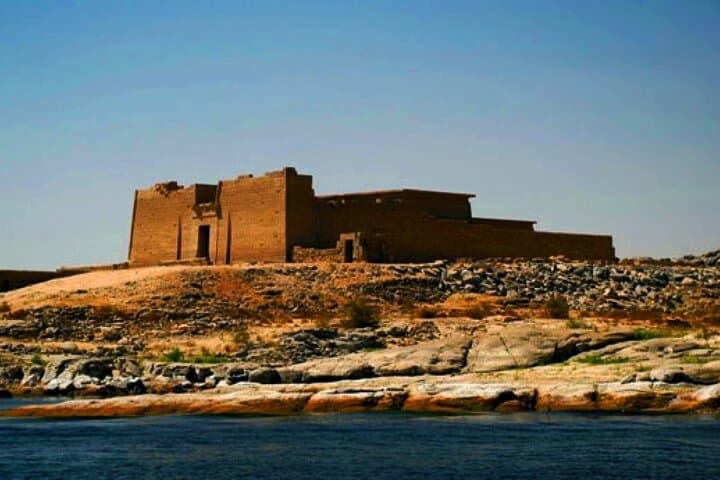
Expect easy, mostly flat walking on packed earth and stone paths with short stair sections around temple terraces. Highlights include the restored Temple of Khnum ruins, quiet river viewpoints, and interactions with residents selling crafts. Sunscreen, a refillable water bottle, and modest dress will help you move comfortably through both sacred sites and village lanes.
Practical tips: tours typically run about three hours, include entrance fees and bottled water, and use air-conditioned transfer from Aswan. Morning visits avoid heat and crowds; bring local-currency cash for crafts and a small tip for guides. The island rewards a curious, respectful pace — let the Nile set your rhythm.
easy.
3 hours.
Light walking ability; suitable for most travelers who can manage short periods on their feet.
The itinerary runs about three hours, typically including transfers, entrance fees, and a guided walk of the island.
Yes — the walking is light, and infant seats can be arranged in the transport, but bring shade and sun protection for young children.
Yes, this tour includes entry fees to the island sites as listed in the booking inclusions.
Yes, the tour often includes time in Nubian village areas where local artisans sell textiles and small handicrafts; have small bills available.
Elephantine Island was a key ancient frontier and trading post where the Temple of Khnum marked both religious and civic life; pottery and inscriptions show millennia of continuous occupation.
Archaeological layers are fragile — stick to marked paths, avoid touching carved stone, and support local guides who work with preservation efforts.
Egipto Excursiones operates guided outdoor trips and adventures with an emphasis on safety, stewardship, and memorable experiences.
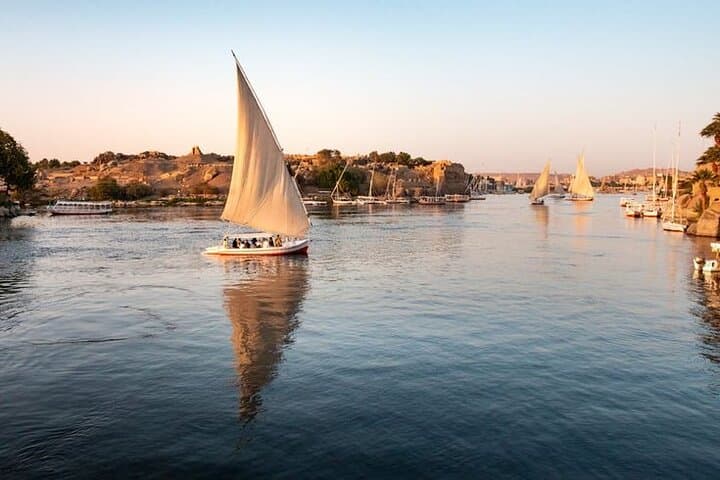
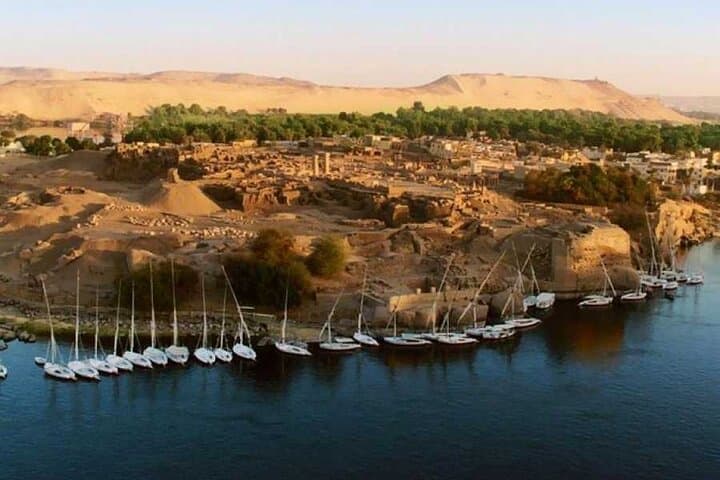
The Nile parts like a slow breath around Elephantine Island, and the first step ashore feels like stepping into a different pace of Egypt. Palm-fringed paths run between archaeological mounds and small Nubian homes; the river moves with an easy insistence, pushing you toward whitewashed temples and shady courtyards.
The Nile parts like a slow breath around Elephantine Island, and the first step ashore feels like stepping into a different pace of Egypt. Palm-fringed paths run between archaeological mounds and small Nubian homes; the river moves with an easy insistence, pushing you toward whitewashed temples and shady courtyards.
This compact island sits at the heart of Aswan's river history: a strategic trade post and sacred site where the Temple of Khnum once directed the flow of life. The geology is primarily Nile alluvium sitting atop ancient granite outcrops—the same stone that fed pharaonic quarries upriver—so ruins and bedrock sit cheek-by-jowl. Local culture is visible in painted doorways, small market stalls, and the cadence of Nubian greetings; guides often weave tales of irrigation, ferry crossings, and the island’s role as a boundary marker near the first cataract.
Expect easy, mostly flat walking on packed earth and stone paths with short stair sections around temple terraces. Highlights include the restored Temple of Khnum ruins, quiet river viewpoints, and interactions with residents selling crafts. Sunscreen, a refillable water bottle, and modest dress will help you move comfortably through both sacred sites and village lanes.
Practical tips: tours typically run about three hours, include entrance fees and bottled water, and use air-conditioned transfer from Aswan. Morning visits avoid heat and crowds; bring local-currency cash for crafts and a small tip for guides. The island rewards a curious, respectful pace — let the Nile set your rhythm.