THE ADVENTURE COLLECTIVE® · Independent discovery and booking for outdoor travel

Take a private heritage walk to Elephanta Island from Mumbai: a short ferry, 5th–7th century rock-cut caves, and a village walk led by a local guide born on the island. Learn the history, see the Trimurti, and get practical tips for timing and gear.
Take a private heritage walk to Elephanta Island from Mumbai: a short ferry, 5th–7th century rock-cut caves, and a village walk led by a local guide born on the island. Learn the history, see the Trimurti, and get practical tips for timing and gear.
You step off the ferry with the harbor spray still clinging to your jacket and the city skyline shrinking behind you. A narrow jetty delivers you to a low, tree-lined shoreline; palms incline as if to point the way to a cut rock face that has watched the Arabian Sea for centuries.
Verified experiences and guided adventures in the surrounding area.
Operated by The Mumbai Tours · Elephanta Island, Maharashtra
You step off the ferry with the harbor spray still clinging to your jacket and the city skyline shrinking behind you. A narrow jetty delivers you to a low, tree-lined shoreline; palms incline as if to point the way to a cut rock face that has watched the Arabian Sea for centuries.
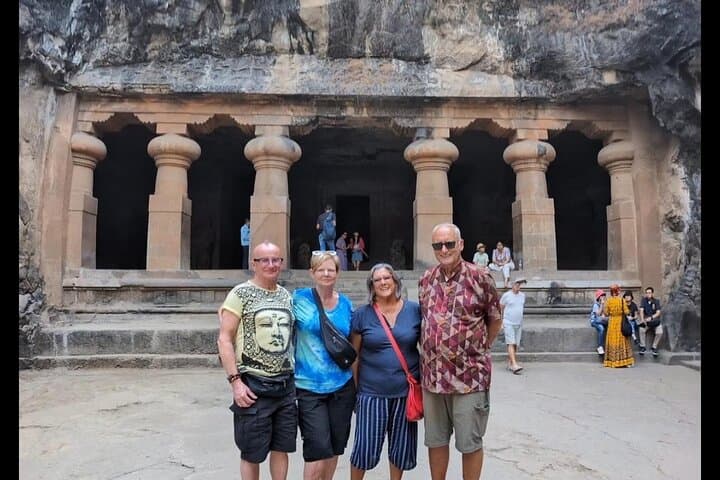
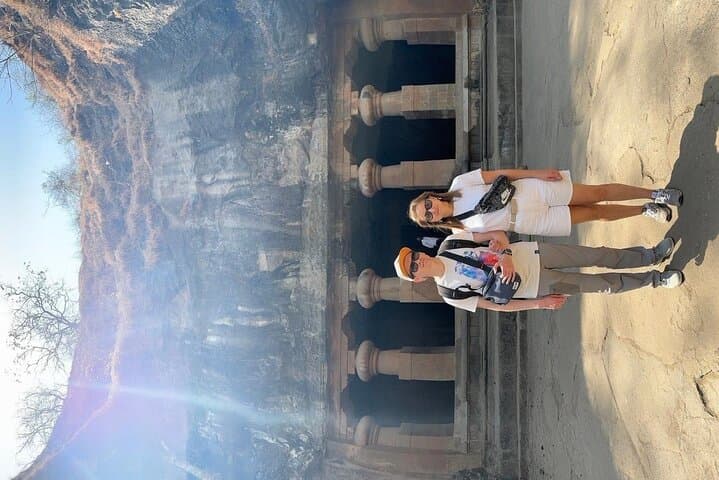
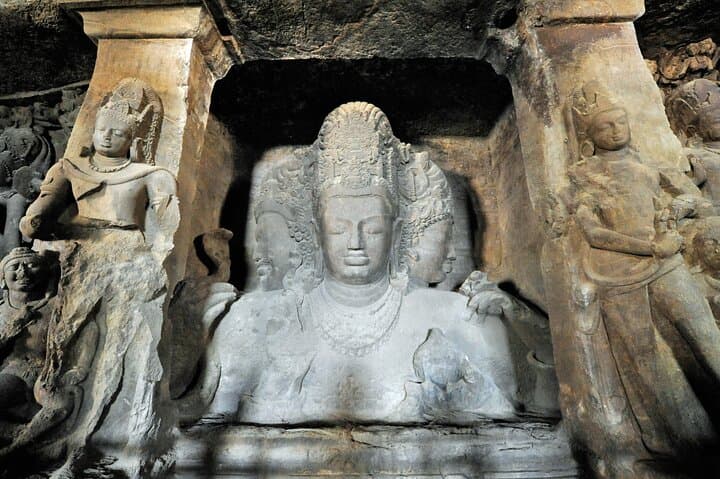
The route leads straight to the Elephanta Caves, a cluster of rock-cut temples carved into basalt between the 5th and 7th centuries. Inside, the stone breathes stories: a colossal Trimurti Shiva three-headed and imposing, panels of dancers and mythic beasts whose weathered features reveal both skill and the slow work of time. The island’s brief Portuguese chapter and later Indian custodianship leave an imprint on village layout and local lore.
Beyond the UNESCO site, the guide—often a long-time island resident—threads history with everyday life, pointing out simple homes, small shrines, and artisan stalls where pottery and handcrafts persist. Geologically, Elephanta is volcanic basalt, carved by human hands into a compact gallery of surfaces that take on the light differently through the day.
Practical notes: the ferry crossing is roughly 45–60 minutes each way; plan 4–6 hours for a round trip including cave time and a village walk. Expect uneven stone steps and low ceilings in parts of the caves; comfortable shoes and a reusable water bottle are essential. Aim for an early departure to avoid midday heat and the busiest ferry runs. Respect barriers and signage—the sculptures are fragile and protected. With a local guide you’ll gain context that turns carvings into a readable archive of faith, craft and island life.
easy.
4–6 hours.
Light walking ability required; must manage stairs, uneven ground and short uphill sections
The public or tour ferries typically take 45–60 minutes from the Gateway of India to Elephanta Island depending on conditions.
The main cave complex requires negotiating uneven stone paths and steps; there is limited wheelchair access and assistance may be needed.
Yes—there is an entrance fee for the Elephanta Caves, which is usually included on guided tours; separate local fees may apply for photography.
October to March (winter months) offer the most comfortable weather; avoid monsoon months if you prefer drier conditions and more reliable ferry service.
The rock-cut temples date from roughly the 5th–7th centuries and are primarily dedicated to Shiva; later Portuguese occupation left traces in place names and island infrastructure.
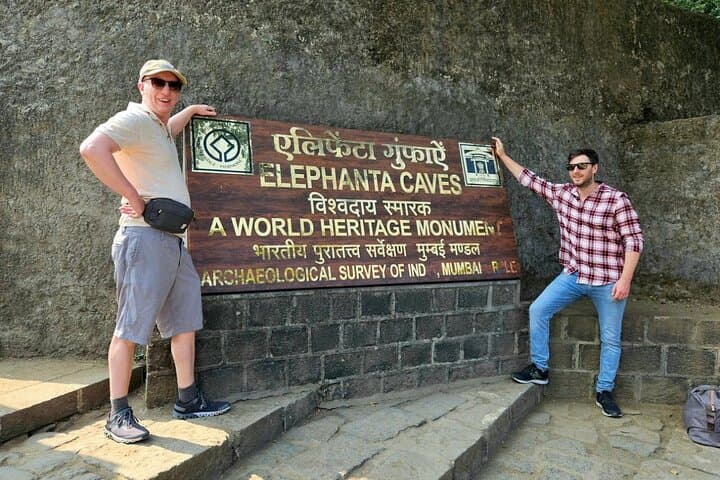
Elephanta is a UNESCO World Heritage Site—visitors should avoid touching carvings, stay on marked paths, and support local guides who contribute to site stewardship.
The Mumbai Tours operates guided outdoor trips and adventures with an emphasis on safety, stewardship, and memorable experiences.
You step off the ferry with the harbor spray still clinging to your jacket and the city skyline shrinking behind you. A narrow jetty delivers you to a low, tree-lined shoreline; palms incline as if to point the way to a cut rock face that has watched the Arabian Sea for centuries.
You step off the ferry with the harbor spray still clinging to your jacket and the city skyline shrinking behind you. A narrow jetty delivers you to a low, tree-lined shoreline; palms incline as if to point the way to a cut rock face that has watched the Arabian Sea for centuries.
The route leads straight to the Elephanta Caves, a cluster of rock-cut temples carved into basalt between the 5th and 7th centuries. Inside, the stone breathes stories: a colossal Trimurti Shiva three-headed and imposing, panels of dancers and mythic beasts whose weathered features reveal both skill and the slow work of time. The island’s brief Portuguese chapter and later Indian custodianship leave an imprint on village layout and local lore.
Beyond the UNESCO site, the guide—often a long-time island resident—threads history with everyday life, pointing out simple homes, small shrines, and artisan stalls where pottery and handcrafts persist. Geologically, Elephanta is volcanic basalt, carved by human hands into a compact gallery of surfaces that take on the light differently through the day.
Practical notes: the ferry crossing is roughly 45–60 minutes each way; plan 4–6 hours for a round trip including cave time and a village walk. Expect uneven stone steps and low ceilings in parts of the caves; comfortable shoes and a reusable water bottle are essential. Aim for an early departure to avoid midday heat and the busiest ferry runs. Respect barriers and signage—the sculptures are fragile and protected. With a local guide you’ll gain context that turns carvings into a readable archive of faith, craft and island life.