THE ADVENTURE COLLECTIVE® · Independent discovery and booking for outdoor travel

Leave Mumbai’s bustle for a short ferry ride to Elephanta Island, where 7th-century rock-cut caves and the monumental Trimurti await. This guided tour pairs smooth round-trip ferry tickets with expert commentary — ideal for first-time visitors who want history without logistical hassle.
Leave Mumbai’s bustle for a short ferry ride to Elephanta Island, where 7th-century rock-cut caves and the monumental Trimurti await. This guided tour pairs smooth round-trip ferry tickets with expert commentary — ideal for first-time visitors who want history without logistical hassle.
The ferry pulls away from Mumbai’s shoreline and the city’s noise falls behind, replaced by salt air and the impatient gull calls that mark the approach to Elephanta Island. On arrival you climb basalt steps carved from ancient lava flows, the island’s black rock warming underfoot as the caves open like a cool, shadowed chamber into history.
Verified experiences and guided adventures in the surrounding area.
Operated by Z-Ocean Tours LLC · Mumbai, Maharashtra
The ferry pulls away from Mumbai’s shoreline and the city’s noise falls behind, replaced by salt air and the impatient gull calls that mark the approach to Elephanta Island. On arrival you climb basalt steps carved from ancient lava flows, the island’s black rock warming underfoot as the caves open like a cool, shadowed chamber into history.
Carved between the 5th and 8th centuries, the Elephanta Caves (Gharapuri) are a UNESCO World Heritage Site dominated by the enormous Trimurti sculpture of Shiva and a sequence of rock-cut temples, panels and pillared halls. The caves sit in Deccan Trap basalt — hard, jointed lava that allowed artisans to sculpt monumental reliefs directly into bedrock. Local oral histories and Puranic legends link the site to Shiva’s many forms, and seasonal festivals on the island still echo those stories.
Practically, this guided tour bundles round-trip ferry passage from Mumbai, entrance tickets and an on-site guide; expect about 6–7 hours from pickup to return depending on ferry schedules and boarding. Paths are stone and uneven in places with a set of steep steps to the main cave plateau; the tour operator notes accessibility options but prepare for stairs and some short uphill walks.
Bring a reusable water bottle, sun protection, and solid walking shoes. Visit early in the day to avoid heat and mid-afternoon ferry crowds. Your guide will point out sculptural details and context — listen closely for stories behind the poses and the site’s place in India’s temple-building arc.
easy.
7 hours.
Light to moderate fitness; able to walk short uphill sections and climb steps while carrying a small daypack
Ferry crossing times vary by service and conditions; allow roughly 60–90 minutes total for embarkation and the round-trip water transit depending on schedule.
The tour lists accessibility options; while the pier and some pathways are accessible, the main cave complex involves stairs — contact the operator ahead to arrange assistance.
Photography is generally permitted in many areas, but avoid flash on delicate reliefs and follow the guide’s instructions in restricted zones.
Light snacks are allowed, but facilities are limited; bring water and small snacks and be sure to pack out waste to protect the site.
Elephanta’s cave temples were carved into basalt between roughly the 5th and 8th centuries CE and showcase Shaiva iconography; the island became a UNESCO site for its outstanding rock-cut art.
Visitor pressure and coastal weathering threaten the soft details of the reliefs; follow marked paths, avoid touching carvings and use local guides who support conservation-aware visitation.
Z-Ocean Tours LLC operates guided outdoor trips and adventures with an emphasis on safety, stewardship, and memorable experiences.
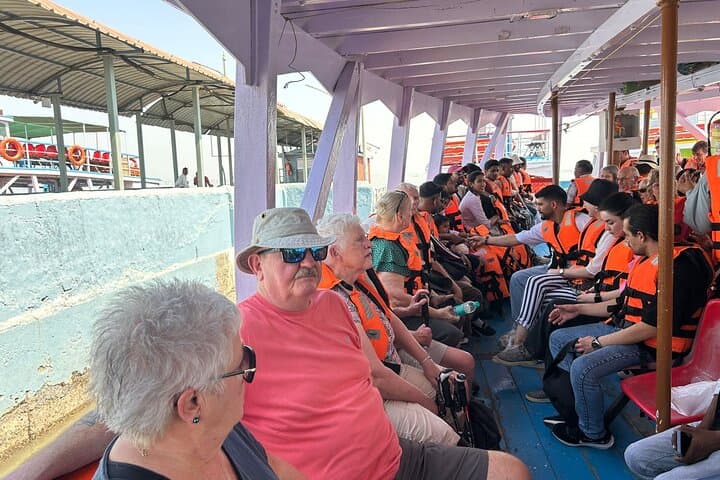
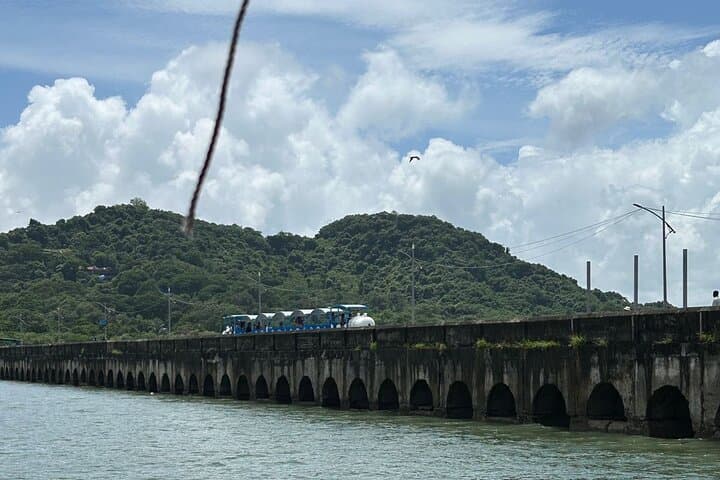
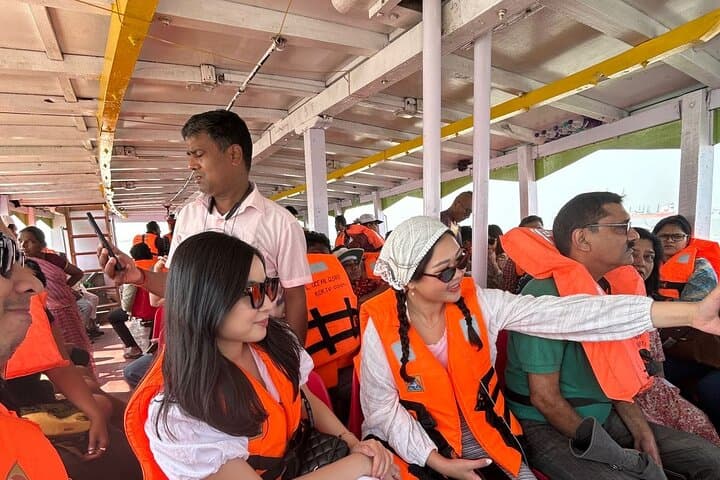
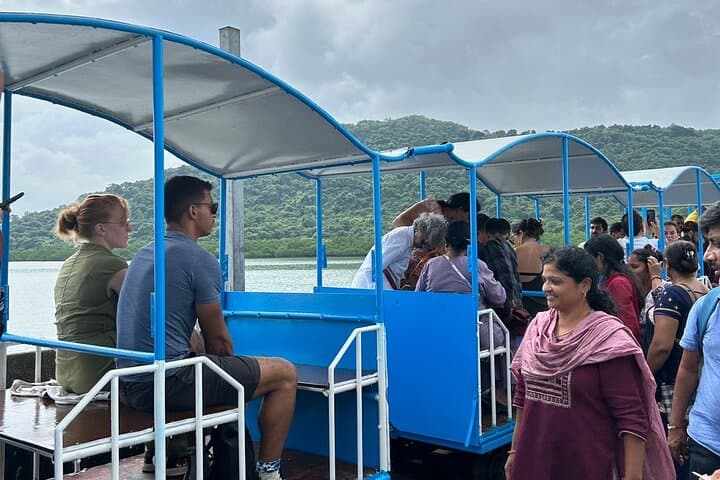
The ferry pulls away from Mumbai’s shoreline and the city’s noise falls behind, replaced by salt air and the impatient gull calls that mark the approach to Elephanta Island. On arrival you climb basalt steps carved from ancient lava flows, the island’s black rock warming underfoot as the caves open like a cool, shadowed chamber into history.
The ferry pulls away from Mumbai’s shoreline and the city’s noise falls behind, replaced by salt air and the impatient gull calls that mark the approach to Elephanta Island. On arrival you climb basalt steps carved from ancient lava flows, the island’s black rock warming underfoot as the caves open like a cool, shadowed chamber into history.
Carved between the 5th and 8th centuries, the Elephanta Caves (Gharapuri) are a UNESCO World Heritage Site dominated by the enormous Trimurti sculpture of Shiva and a sequence of rock-cut temples, panels and pillared halls. The caves sit in Deccan Trap basalt — hard, jointed lava that allowed artisans to sculpt monumental reliefs directly into bedrock. Local oral histories and Puranic legends link the site to Shiva’s many forms, and seasonal festivals on the island still echo those stories.
Practically, this guided tour bundles round-trip ferry passage from Mumbai, entrance tickets and an on-site guide; expect about 6–7 hours from pickup to return depending on ferry schedules and boarding. Paths are stone and uneven in places with a set of steep steps to the main cave plateau; the tour operator notes accessibility options but prepare for stairs and some short uphill walks.
Bring a reusable water bottle, sun protection, and solid walking shoes. Visit early in the day to avoid heat and mid-afternoon ferry crowds. Your guide will point out sculptural details and context — listen closely for stories behind the poses and the site’s place in India’s temple-building arc.