THE ADVENTURE COLLECTIVE® · Independent discovery and booking for outdoor travel

Skip the slow ferry and reach Elephanta’s UNESCO-listed cave temples in 20 minutes by speedboat. This VIP transfer pairs efficient sea travel with a licensed guide, giving you more time to explore the Trimurti, climb the basalt steps, and soak in commanding sea views.
Skip the slow ferry and reach Elephanta’s UNESCO-listed cave temples in 20 minutes by speedboat. This VIP transfer pairs efficient sea travel with a licensed guide, giving you more time to explore the Trimurti, climb the basalt steps, and soak in commanding sea views.
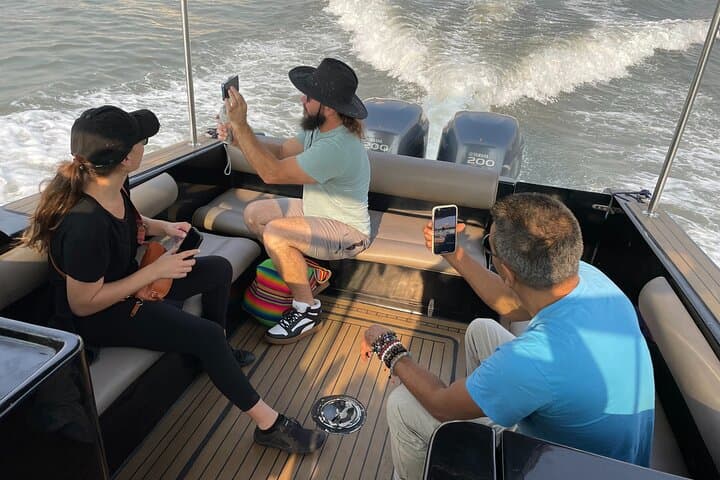
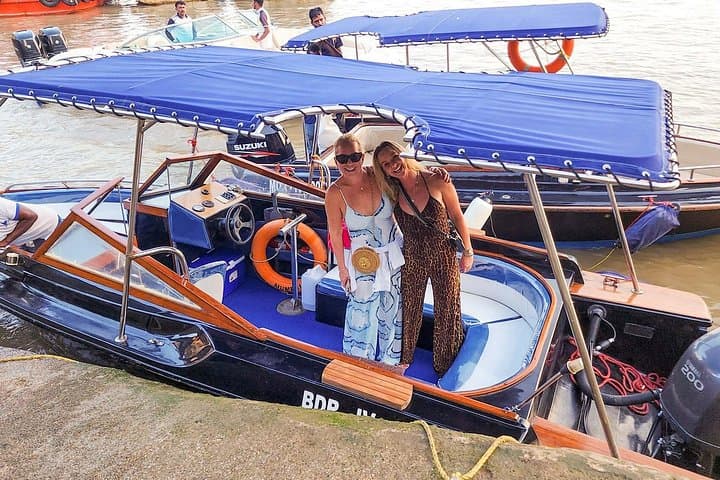
The Gateway of India roars behind you; the Arabian Sea opens like a page and the speedboat cuts through it, compressing what is usually an hour-long ferry into a brisk 20-minute glide. Spray flavors the air as Mumbai’s skyline shrinks, and the island of Gharapuri — carved from basalt — rises, its cliff-face caves embossed with time.
Verified experiences and guided adventures in the surrounding area.
Operated by Elephanta Voyages · Mumbai, Maharashtra
The Gateway of India roars behind you; the Arabian Sea opens like a page and the speedboat cuts through it, compressing what is usually an hour-long ferry into a brisk 20-minute glide. Spray flavors the air as Mumbai’s skyline shrinks, and the island of Gharapuri — carved from basalt — rises, its cliff-face caves embossed with time.
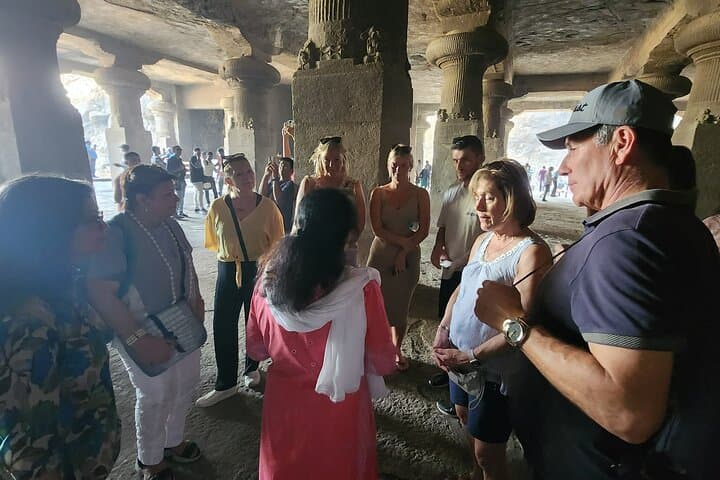
Elephanta’s rock-cut temples date to roughly the 5th–6th centuries CE and are a living chapter of Shaiva devotion: the colossal Trimurti Shiva sits central, its forms of creation, preservation and destruction frozen in stone. Geologically, the island is a volcanic basalt outcrop; the caves are hewn into this hard black rock, with reliefs and pillared halls that show both artistry and raw engineering. The site carries colonial-era visitor histories alongside local myths about gods and pirates; guides typically thread legend into archaeological fact.
Practicalities shape the visit: the speedboat option prioritizes time and comfort, offering VIP jetty access and a licensed guide. Arrive early to avoid midday heat and crowds, or take the mini-train/carriage up the hill if stairs are a problem. Wear sturdy shoes—steps and uneven rock are constant—and carry sun protection and water; shade is limited on the approach.
Expect 3–5 hours round-trip including boat transfers and a measured walk through the cave complex. Photography is allowed in most areas, but treat carvings with care. The return ride gives a final sea view of Mumbai’s skyline as the island yields back to the city—brief, tactile, and culturally dense.
moderate.
4–5 hours.
Moderate fitness for walking, climbing stairs and standing during the guided tour; a short uphill walk or mini-train option is available.
The luxury speedboat takes approximately 20 minutes one-way from the Gateway of India to Elephanta Island.
Yes—monument entrance fees are included with this VIP tour as described in the inclusions.
There are several flights of stairs; a visitor needing assistance can take the mini-train or carriage to the top, but some walking on uneven surfaces is unavoidable.
Yes—children can join; infants must sit on an adult’s lap on the boat and guardians should evaluate stair access for young children.
Gharapuri (Elephanta) has been a religious site since at least the early medieval period; its caves reflect Shaiva traditions and were documented by European travelers in the 16th–19th centuries.
The site is managed as a UNESCO World Heritage site with limits on visitor impact; stick to marked paths, avoid touching carvings, and carry out waste to minimize wear.
Elephanta Voyages operates guided outdoor trips and adventures with an emphasis on safety, stewardship, and memorable experiences.

The Gateway of India roars behind you; the Arabian Sea opens like a page and the speedboat cuts through it, compressing what is usually an hour-long ferry into a brisk 20-minute glide. Spray flavors the air as Mumbai’s skyline shrinks, and the island of Gharapuri — carved from basalt — rises, its cliff-face caves embossed with time.
The Gateway of India roars behind you; the Arabian Sea opens like a page and the speedboat cuts through it, compressing what is usually an hour-long ferry into a brisk 20-minute glide. Spray flavors the air as Mumbai’s skyline shrinks, and the island of Gharapuri — carved from basalt — rises, its cliff-face caves embossed with time.
Elephanta’s rock-cut temples date to roughly the 5th–6th centuries CE and are a living chapter of Shaiva devotion: the colossal Trimurti Shiva sits central, its forms of creation, preservation and destruction frozen in stone. Geologically, the island is a volcanic basalt outcrop; the caves are hewn into this hard black rock, with reliefs and pillared halls that show both artistry and raw engineering. The site carries colonial-era visitor histories alongside local myths about gods and pirates; guides typically thread legend into archaeological fact.
Practicalities shape the visit: the speedboat option prioritizes time and comfort, offering VIP jetty access and a licensed guide. Arrive early to avoid midday heat and crowds, or take the mini-train/carriage up the hill if stairs are a problem. Wear sturdy shoes—steps and uneven rock are constant—and carry sun protection and water; shade is limited on the approach.
Expect 3–5 hours round-trip including boat transfers and a measured walk through the cave complex. Photography is allowed in most areas, but treat carvings with care. The return ride gives a final sea view of Mumbai’s skyline as the island yields back to the city—brief, tactile, and culturally dense.