THE ADVENTURE COLLECTIVE® · Independent discovery and booking for outdoor travel

Cut the crossing to Elephanta Island to about 20 minutes and spend a concentrated two hours among 1,500-year-old rock-cut temples. This private speedboat tour combines fast transit with an expert-led exploration of the UNESCO-listed caves.
Cut the crossing to Elephanta Island to about 20 minutes and spend a concentrated two hours among 1,500-year-old rock-cut temples. This private speedboat tour combines fast transit with an expert-led exploration of the UNESCO-listed caves.
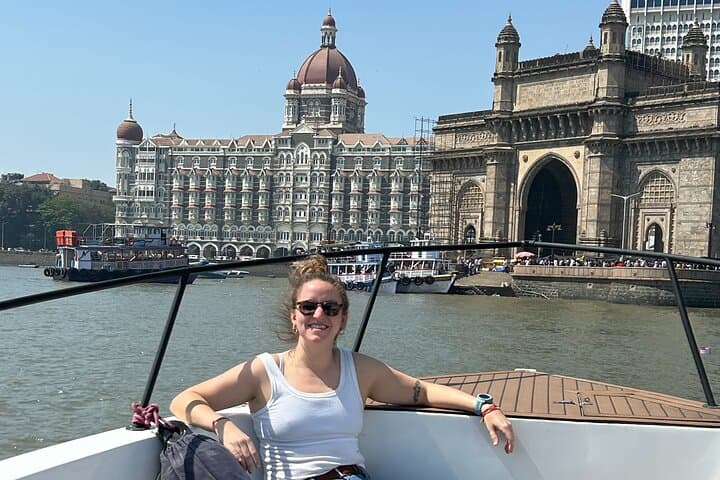
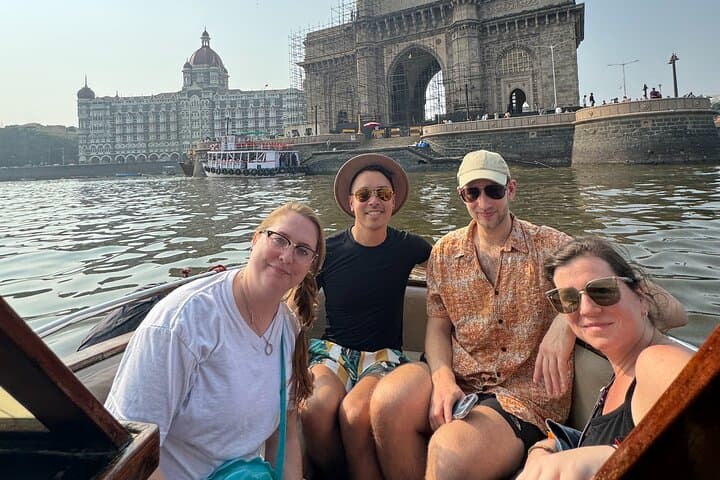
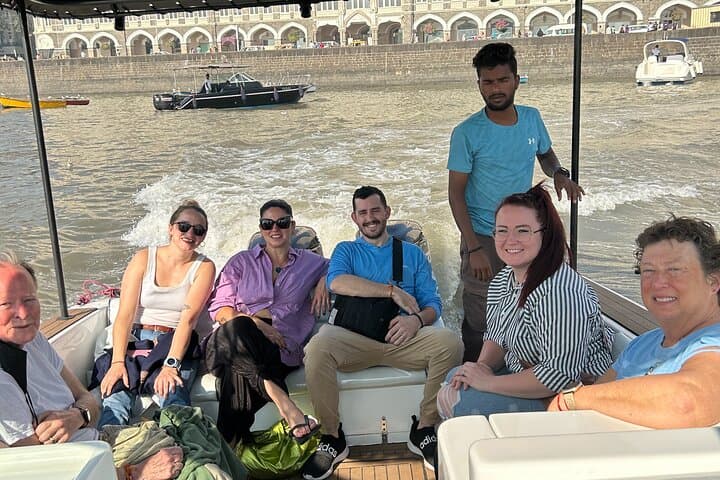
The boat slips away from the Gateway of India and the city skims off the horizon — sunlight freckling the Arabian Sea as the speedboat cuts the crossing to roughly 20 minutes. Salt spray and gull calls mark the approach; the island’s black basalt rises like a small, battered fortress, and the guide waits on the jetty to lead visitors into cool, shadowed caverns.
Verified experiences and guided adventures in the surrounding area.
Operated by Linda Tours Mumbai · Mumbai, Maharashtra
The boat slips away from the Gateway of India and the city skims off the horizon — sunlight freckling the Arabian Sea as the speedboat cuts the crossing to roughly 20 minutes. Salt spray and gull calls mark the approach; the island’s black basalt rises like a small, battered fortress, and the guide waits on the jetty to lead visitors into cool, shadowed caverns.
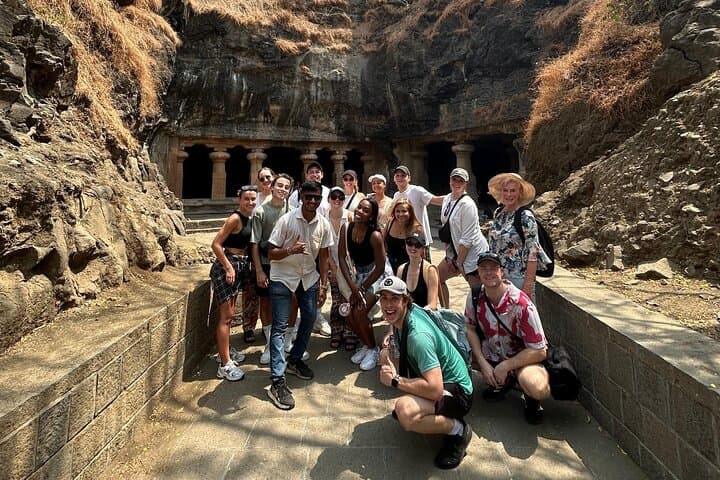
Carved into a basalt outcrop roughly 1,500 years ago, the Elephanta Caves (Gharapuri) concentrate rock-cut Hindu sculpture — most famously the three-headed Shiva — into a compact complex of halls and reliefs. Geologically the island is part of the Deccan Traps; the caves are the result of skilled stone removal rather than construction above ground. Culturally, the site was a regional pilgrimage node and later a colonial-era curiosity; today it’s a UNESCO World Heritage Site guarded by archaeology and local stewardship.
Expect narrow steps, uneven floors and dramatic, low-light carvings that reward patience. The guided visit typically runs about two hours; the full excursion including transfers takes 3–4 hours. Practical tips: choose a morning departure for calmer seas and cooler light on the sculptures, bring strong footwear for steep, worn steps, and carry sunscreen and water — shade is limited once you leave the jetty.
The speedboat service makes this a compact shore excursion: quick on transit, full on history. Visitors with limited mobility should check stair counts and ask about private drop-off points at the Gateway. In monsoon season, crossings can be choppy and schedules change — the sea decides the day, so stay flexible and give the caves their time.
easy.
3–4 hours.
Minimal fitness required — involves short walk, stair climbs and standing during the guided tour; suitable for most travelers.
The private speedboat crossing takes about 20 minutes each way, though timings can vary with sea conditions.
This tour description indicates admission and an expert guide are included as part of the itinerary.
Yes — the tour is rated easy, but be aware of steep steps and uneven surfaces inside the caves; assistance may be needed for limited-mobility travelers.
Operators typically cancel or reschedule when seas are unsafe; check the 24-hour cancellation policy and confirm same-day arrangements if weather looks poor.
Elephanta’s rock-cut temples date to around the mid-first millennium CE and reflect Shaivaite devotion expressed through large-scale basalt carving.
Visitor numbers are managed and restoration work is ongoing; avoid touching the carvings and follow site rules to minimize wear on ancient stone.
Linda Tours Mumbai operates guided outdoor trips and adventures with an emphasis on safety, stewardship, and memorable experiences.
The boat slips away from the Gateway of India and the city skims off the horizon — sunlight freckling the Arabian Sea as the speedboat cuts the crossing to roughly 20 minutes. Salt spray and gull calls mark the approach; the island’s black basalt rises like a small, battered fortress, and the guide waits on the jetty to lead visitors into cool, shadowed caverns.
The boat slips away from the Gateway of India and the city skims off the horizon — sunlight freckling the Arabian Sea as the speedboat cuts the crossing to roughly 20 minutes. Salt spray and gull calls mark the approach; the island’s black basalt rises like a small, battered fortress, and the guide waits on the jetty to lead visitors into cool, shadowed caverns.
Carved into a basalt outcrop roughly 1,500 years ago, the Elephanta Caves (Gharapuri) concentrate rock-cut Hindu sculpture — most famously the three-headed Shiva — into a compact complex of halls and reliefs. Geologically the island is part of the Deccan Traps; the caves are the result of skilled stone removal rather than construction above ground. Culturally, the site was a regional pilgrimage node and later a colonial-era curiosity; today it’s a UNESCO World Heritage Site guarded by archaeology and local stewardship.
Expect narrow steps, uneven floors and dramatic, low-light carvings that reward patience. The guided visit typically runs about two hours; the full excursion including transfers takes 3–4 hours. Practical tips: choose a morning departure for calmer seas and cooler light on the sculptures, bring strong footwear for steep, worn steps, and carry sunscreen and water — shade is limited once you leave the jetty.
The speedboat service makes this a compact shore excursion: quick on transit, full on history. Visitors with limited mobility should check stair counts and ask about private drop-off points at the Gateway. In monsoon season, crossings can be choppy and schedules change — the sea decides the day, so stay flexible and give the caves their time.