THE ADVENTURE COLLECTIVE® · Independent discovery and booking for outdoor travel

Step off the Gateway of India and cross Mumbai Harbor to Elephanta Island, where 5th–6th century rock-cut caves and the towering Sadashiva panel await. This practical guide explains what to expect on the ferry excursion and how to plan your visit.
Step off the Gateway of India and cross Mumbai Harbor to Elephanta Island, where 5th–6th century rock-cut caves and the towering Sadashiva panel await. This practical guide explains what to expect on the ferry excursion and how to plan your visit.
The ferry slips away from the Gateway of India and the city’s clamour thins to gull calls and the open harbor. Salt air presses at the face; the sea dares you to look back at Mumbai’s skyline as an island grows from the horizon. Arrival on Elephanta means a short climb of uneven steps through a small village before the carved mouth of Cave 1 opens into cool shadow.
Verified experiences and guided adventures in the surrounding area.
Operated by SITA World Tours · Mumbai, Maharashtra
The ferry slips away from the Gateway of India and the city’s clamour thins to gull calls and the open harbor. Salt air presses at the face; the sea dares you to look back at Mumbai’s skyline as an island grows from the horizon. Arrival on Elephanta means a short climb of uneven steps through a small village before the carved mouth of Cave 1 opens into cool shadow.
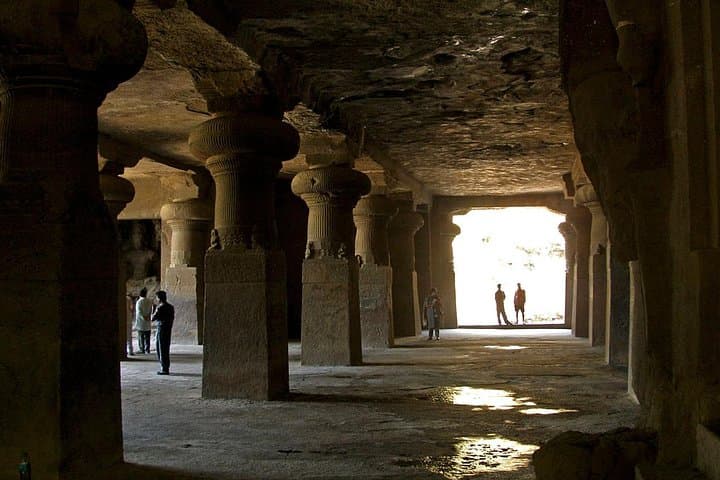
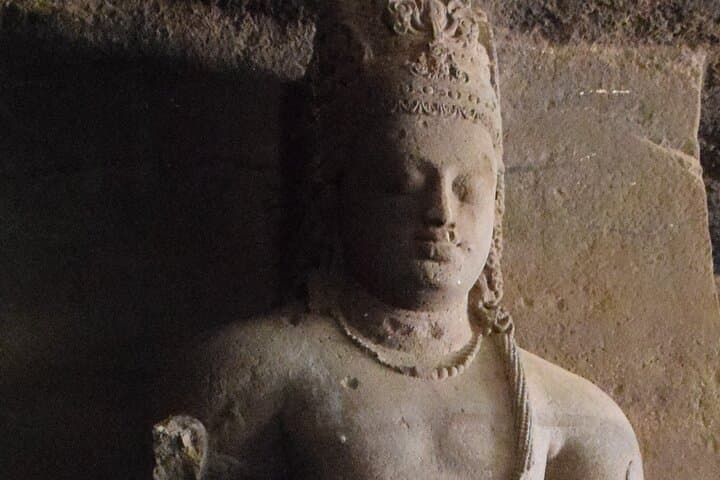
Carved into solid basalt in the mid-5th to 6th centuries, the Elephanta Caves are a concentrated gallery of Shaivite sculpture. The 22-foot Sadashiva triad commands Cave 1, while panels around the lingam chapel show stories of Shiva that shaped medieval religious life on the west coast. The island’s geology — layered Deccan basalt — holds the cuts and reliefs but also weathers in Mumbai’s salty air.
Practical guidance is straightforward: the site is a half- to one-hour ferry from Mumbai and most visits run 5–6 hours door-to-door. Wear sturdy shoes for stone steps and switchbacks, bring sun protection and water, and plan for crowds mid-day. Photography is allowed but avoid flash on vulnerable panels. Accessibility is limited: the main monuments sit above the pier and require climbing.
A visit pairs cultural context with physicality — a short sea crossing, a village walk, and an encounter with rock that still seems to hold stories in its grain. Time your trip for morning light to keep the heat and crowds low; treat the sculptures with care and leave only footprints on the island’s rocky paths.
moderate.
5–6 hours.
Moderate; able to climb stairs and walk uneven paths for 20–40 minutes at a time
The ferry crossing takes about 60 minutes each way from the Gateway of India; timings vary by operator.
No—access to the main caves requires climbing a flight of uneven steps and paths, so accessibility is limited.
Photography is permitted in most areas without flash; avoid flash and follow any onsite signage.
Basic stalls sell snacks and drinks near the pier and village, but bring water and light snacks if you prefer choices.
The island’s rock-cut caves date to roughly the 5th–6th centuries AD and celebrate Shaivite themes; Portuguese seafarers later named it ‘Elephanta’ after a large elephant statue once near the shore.
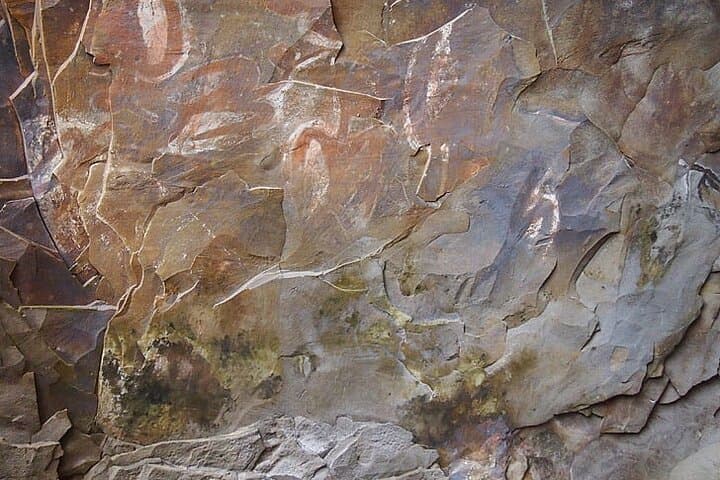
Basalt reliefs are sensitive to salt spray, touch, and moisture—visitors should avoid contact and follow signage to minimize wear.
SITA World Tours operates guided outdoor trips and adventures with an emphasis on safety, stewardship, and memorable experiences.
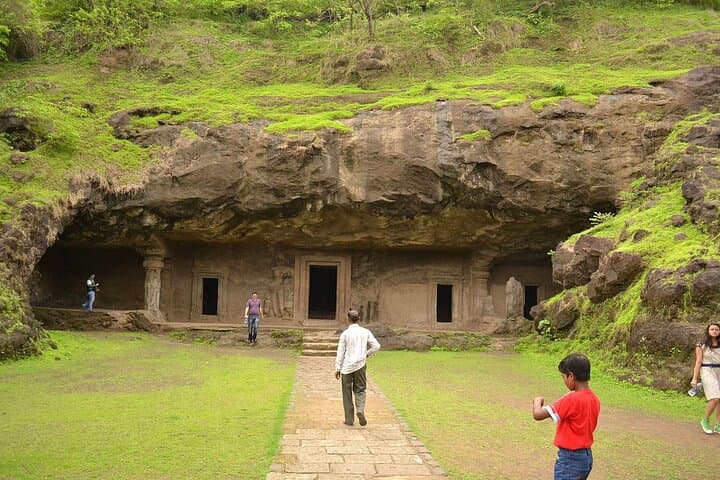
The ferry slips away from the Gateway of India and the city’s clamour thins to gull calls and the open harbor. Salt air presses at the face; the sea dares you to look back at Mumbai’s skyline as an island grows from the horizon. Arrival on Elephanta means a short climb of uneven steps through a small village before the carved mouth of Cave 1 opens into cool shadow.
The ferry slips away from the Gateway of India and the city’s clamour thins to gull calls and the open harbor. Salt air presses at the face; the sea dares you to look back at Mumbai’s skyline as an island grows from the horizon. Arrival on Elephanta means a short climb of uneven steps through a small village before the carved mouth of Cave 1 opens into cool shadow.
Carved into solid basalt in the mid-5th to 6th centuries, the Elephanta Caves are a concentrated gallery of Shaivite sculpture. The 22-foot Sadashiva triad commands Cave 1, while panels around the lingam chapel show stories of Shiva that shaped medieval religious life on the west coast. The island’s geology — layered Deccan basalt — holds the cuts and reliefs but also weathers in Mumbai’s salty air.
Practical guidance is straightforward: the site is a half- to one-hour ferry from Mumbai and most visits run 5–6 hours door-to-door. Wear sturdy shoes for stone steps and switchbacks, bring sun protection and water, and plan for crowds mid-day. Photography is allowed but avoid flash on vulnerable panels. Accessibility is limited: the main monuments sit above the pier and require climbing.
A visit pairs cultural context with physicality — a short sea crossing, a village walk, and an encounter with rock that still seems to hold stories in its grain. Time your trip for morning light to keep the heat and crowds low; treat the sculptures with care and leave only footprints on the island’s rocky paths.