THE ADVENTURE COLLECTIVE® · Independent discovery and booking for outdoor travel

A short ferry from Mumbai delivers you to Elephanta Island’s dramatic rock-cut cave temples and the colossal Trimurti relief. This guided half-day tour mixes maritime travel, a 693-step ascent and concentrated encounters with India’s medieval temple art.
A short ferry from Mumbai delivers you to Elephanta Island’s dramatic rock-cut cave temples and the colossal Trimurti relief. This guided half-day tour mixes maritime travel, a 693-step ascent and concentrated encounters with India’s medieval temple art.
You step onto a creaking ferry as the city skyline shrinks and the Arabian Sea opens; salt spray hits your face and the island's limestone silhouette resolves on the horizon. A two‑hour roundtrip rhythm—ferry, a quirky toy train, then the climb—sets the pace for this half‑day outing.
Verified experiences and guided adventures in the surrounding area.
Operated by India Magic Tours · Mumbai, Maharashtra
You step onto a creaking ferry as the city skyline shrinks and the Arabian Sea opens; salt spray hits your face and the island's limestone silhouette resolves on the horizon. A two‑hour roundtrip rhythm—ferry, a quirky toy train, then the climb—sets the pace for this half‑day outing.
Carved from basalt, the Elephanta cave complex on Gharapuri Island preserves large-scale rock sculptures of Shiva carved between roughly the 5th and 8th centuries CE. The monumental Trimurti, a 20‑foot three‑faced relief, anchors the main cave, while secondary panels show Gangadhara and Ardhanarishvara, offering a concentrated lesson in medieval Indian iconography and imperial coastal trade that once passed through Mumbai’s shores.
Geology here is honest and exposed: black volcanic rock weathered into steep steps and porous cliff ledges. The island village retains simple fishing life—lanes, shrines and a jetty—giving a cultural counterpoint to the carved sanctum you visit.
Plan practically: the climb to the cave entrance is 693 steps (or pay to be carried on a wooden chair for an extra fee). The ferry is about 60 minutes each way and runs from Mumbai’s Gateway area; note the caves close Mondays and during the peak monsoon months (July–August). Bring sturdy shoes, sun protection and water, and leave time to walk the village shoreline after exploring the caves. Respect the site: avoid touching sculptures and follow your guide’s path to protect fragile rockwork and keep your visit smooth.
moderate.
5–6 hours.
You should have a moderate fitness level—comfortable walking, stair-climbing ability, and basic balance for uneven stone steps.
The ferry takes about 60 minutes each way from Mumbai; schedule and sea conditions can affect exact crossing time.
This tour lists ferry charges as included; confirm at booking if monument entry fees apply for private options.
Yes—infants must sit on an adult’s lap. Consider the ferry crossing and stair climb when deciding if it’s suitable for very young children.
No—Elephanta Caves are closed on Mondays and often closed during peak monsoon months for safety and conservation (typically July–August).
The caves are rock-cut temple complexes largely dedicated to Shiva, with major panels produced between the 5th and 8th centuries CE and designated a UNESCO World Heritage Site.
The site is vulnerable to weathering and visitor impact; follow barriers, avoid touching sculptures and stick to marked paths to help preserve delicate rock carvings.
India Magic Tours operates guided outdoor trips and adventures with an emphasis on safety, stewardship, and memorable experiences.
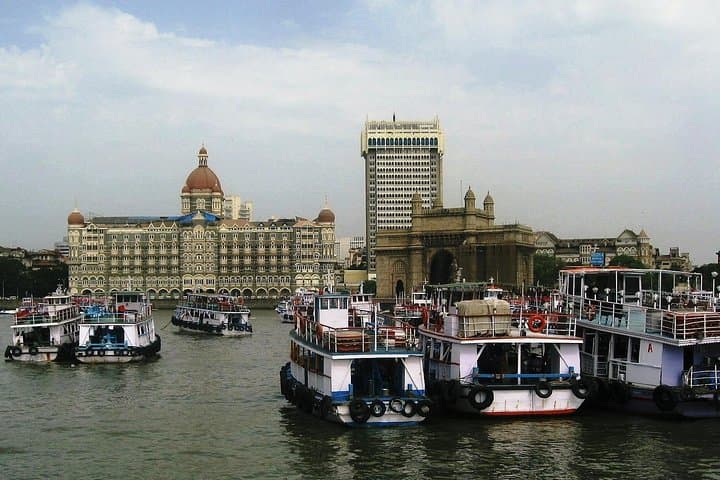


You step onto a creaking ferry as the city skyline shrinks and the Arabian Sea opens; salt spray hits your face and the island's limestone silhouette resolves on the horizon. A two‑hour roundtrip rhythm—ferry, a quirky toy train, then the climb—sets the pace for this half‑day outing.
You step onto a creaking ferry as the city skyline shrinks and the Arabian Sea opens; salt spray hits your face and the island's limestone silhouette resolves on the horizon. A two‑hour roundtrip rhythm—ferry, a quirky toy train, then the climb—sets the pace for this half‑day outing.
Carved from basalt, the Elephanta cave complex on Gharapuri Island preserves large-scale rock sculptures of Shiva carved between roughly the 5th and 8th centuries CE. The monumental Trimurti, a 20‑foot three‑faced relief, anchors the main cave, while secondary panels show Gangadhara and Ardhanarishvara, offering a concentrated lesson in medieval Indian iconography and imperial coastal trade that once passed through Mumbai’s shores.
Geology here is honest and exposed: black volcanic rock weathered into steep steps and porous cliff ledges. The island village retains simple fishing life—lanes, shrines and a jetty—giving a cultural counterpoint to the carved sanctum you visit.
Plan practically: the climb to the cave entrance is 693 steps (or pay to be carried on a wooden chair for an extra fee). The ferry is about 60 minutes each way and runs from Mumbai’s Gateway area; note the caves close Mondays and during the peak monsoon months (July–August). Bring sturdy shoes, sun protection and water, and leave time to walk the village shoreline after exploring the caves. Respect the site: avoid touching sculptures and follow your guide’s path to protect fragile rockwork and keep your visit smooth.