THE ADVENTURE COLLECTIVE® · Independent discovery and booking for outdoor travel

Board a short ferry from the Gateway of India to explore UNESCO-listed Elephanta Caves. This guided half-day tour combines a scenic harbour ride, a toy-train climb to the plateau, and detailed Shiva reliefs carved into ancient basalt.
Board a short ferry from the Gateway of India to explore UNESCO-listed Elephanta Caves. This guided half-day tour combines a scenic harbour ride, a toy-train climb to the plateau, and detailed Shiva reliefs carved into ancient basalt.
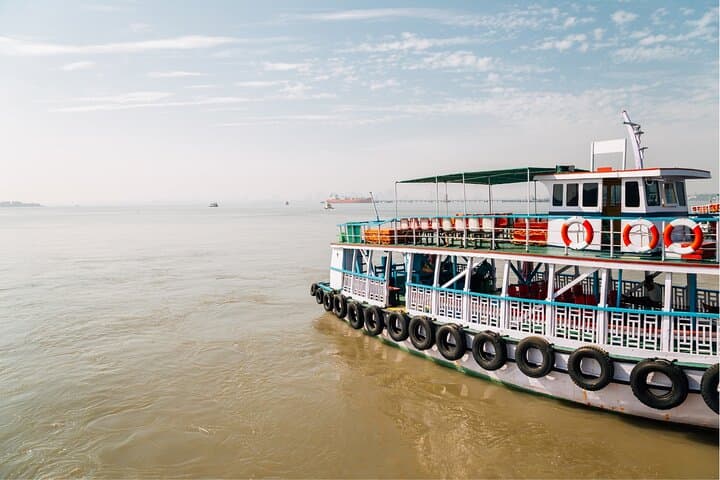
The ferry slips away from the Gateway of India and Mumbai's skyline falls behind you like a busy city exhaling. Salt wind pushes forward across the harbour as the small boat threads toward Elephanta Island, where rock faces rise from the sea and old stone keeps its stories in shadow.
Verified experiences and guided adventures in the surrounding area.
Operated by Yo Tours · Gharapuri (Elephanta Island), Maharashtra
The ferry slips away from the Gateway of India and Mumbai's skyline falls behind you like a busy city exhaling. Salt wind pushes forward across the harbour as the small boat threads toward Elephanta Island, where rock faces rise from the sea and old stone keeps its stories in shadow.
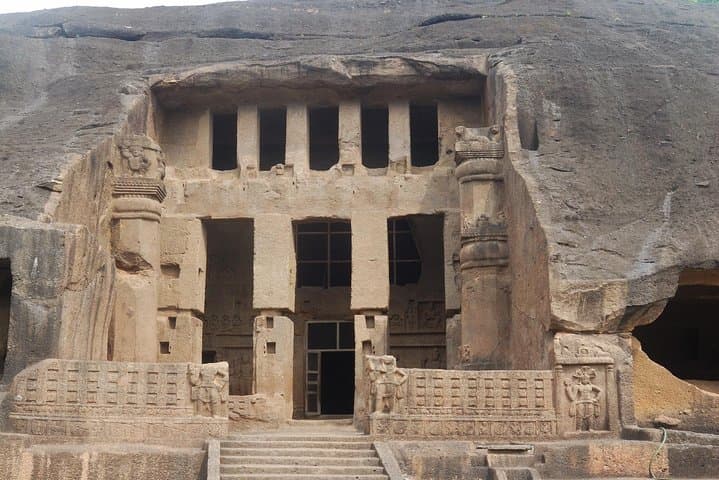
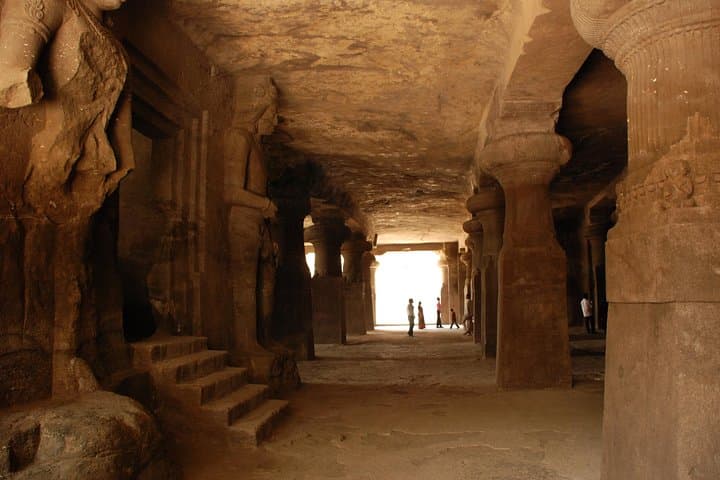
Elephanta's UNESCO-listed caves hold carved panels and colossal Shiva figures carved into basalt between roughly the 5th and 9th centuries, reflecting layered Hindu and earlier Buddhist influences. Geologically, the island is an outcrop of Deccan basalt; the caves are cut into hard volcanic rock that has weathered into terraces and steps. Local village life still pulses around the jetty—vendors, a toy-train climb to the plateau, and the occasional temple bell.
Practical guidance is straightforward: expect 3–4 hours for the round trip, including a one-hour ferry each way and time on-site. Wear sturdy shoes for uneven stone steps and bring sun protection—the plateau is exposed. Carry a refillable water bottle; bottled water and light snacks are commonly available on tours. Photography is allowed in most areas but avoid flash near fragile carvings and respect signposted restrictions. The island is hilly with many steps, so pace yourself and use the toy-train for the steepest section if mobility is limited.
Cultural etiquette matters—remove shoes when entering small shrines, keep voices low near active worship areas, and dispose of waste in bins. Visit early to catch softer light on the reliefs and thinner crowds; the return ferry at sunset offers one last view of Mumbai closing in behind you.
moderate.
3–4 hours.
Moderate fitness; able to climb multiple flights of uneven stone steps and walk short stretches on uneven ground.
Yes—this itinerary includes a round-trip ferry ride from the Gateway of India to Elephanta Island as part of the tour.
Entrance fees to the archaeological site may not be included; check the booking details and have small cash available for local ticketing if required.
Families can enjoy the tour, but there are steep steps and uneven surfaces; use the toy train to reduce walking for those with limited mobility.
The tour provides an English and Hindi-speaking storyteller to explain history and sculptures during the visit.
Elephanta Caves, also called Gharapuri, contain Hindu and earlier Buddhist rock-cut architecture dating mainly from the 5th to 9th centuries and are a UNESCO World Heritage Site.
The site is vulnerable to weathering and visitor impact; follow signage, avoid touching carvings, and carry out all trash to help protect the monuments.
Yo Tours operates guided outdoor trips and adventures with an emphasis on safety, stewardship, and memorable experiences.
The ferry slips away from the Gateway of India and Mumbai's skyline falls behind you like a busy city exhaling. Salt wind pushes forward across the harbour as the small boat threads toward Elephanta Island, where rock faces rise from the sea and old stone keeps its stories in shadow.
The ferry slips away from the Gateway of India and Mumbai's skyline falls behind you like a busy city exhaling. Salt wind pushes forward across the harbour as the small boat threads toward Elephanta Island, where rock faces rise from the sea and old stone keeps its stories in shadow.
Elephanta's UNESCO-listed caves hold carved panels and colossal Shiva figures carved into basalt between roughly the 5th and 9th centuries, reflecting layered Hindu and earlier Buddhist influences. Geologically, the island is an outcrop of Deccan basalt; the caves are cut into hard volcanic rock that has weathered into terraces and steps. Local village life still pulses around the jetty—vendors, a toy-train climb to the plateau, and the occasional temple bell.
Practical guidance is straightforward: expect 3–4 hours for the round trip, including a one-hour ferry each way and time on-site. Wear sturdy shoes for uneven stone steps and bring sun protection—the plateau is exposed. Carry a refillable water bottle; bottled water and light snacks are commonly available on tours. Photography is allowed in most areas but avoid flash near fragile carvings and respect signposted restrictions. The island is hilly with many steps, so pace yourself and use the toy-train for the steepest section if mobility is limited.
Cultural etiquette matters—remove shoes when entering small shrines, keep voices low near active worship areas, and dispose of waste in bins. Visit early to catch softer light on the reliefs and thinner crowds; the return ferry at sunset offers one last view of Mumbai closing in behind you.