THE ADVENTURE COLLECTIVE® · Independent discovery and booking for outdoor travel

An hour ferry from the Gateway of India leads to Elephanta Island’s ancient rock‑cut caves and monumental Shiva sculptures. This guided tour bundles boat transfers, site entry and lunch into a practical half‑day escape from Mumbai.
An hour ferry from the Gateway of India leads to Elephanta Island’s ancient rock‑cut caves and monumental Shiva sculptures. This guided tour bundles boat transfers, site entry and lunch into a practical half‑day escape from Mumbai.
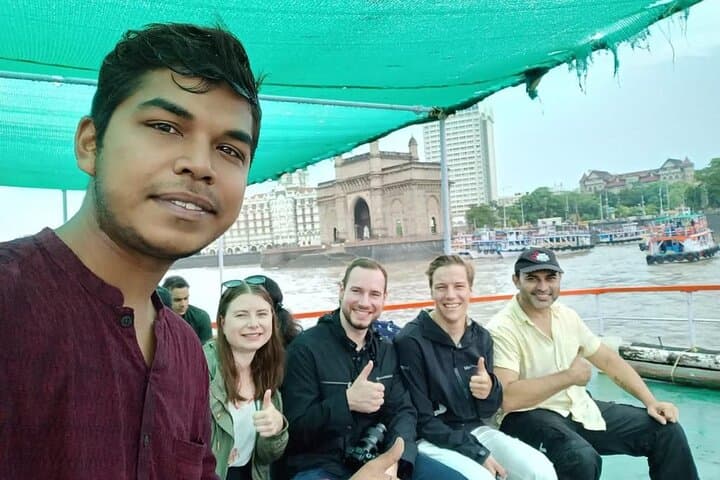
The ferry cuts loose from the Gateway of India and the city blurs into a sheet of sea and gulls. An hour’s tide‑laid ride delivers visitors to a low crescent of rock where carved faces peer from shadowed chambers and the island’s single lane hums with vendors and pilgrims.
Verified experiences and guided adventures in the surrounding area.
Operated by World of Bollywood Tours · Mumbai, Maharashtra
The ferry cuts loose from the Gateway of India and the city blurs into a sheet of sea and gulls. An hour’s tide‑laid ride delivers visitors to a low crescent of rock where carved faces peer from shadowed chambers and the island’s single lane hums with vendors and pilgrims.
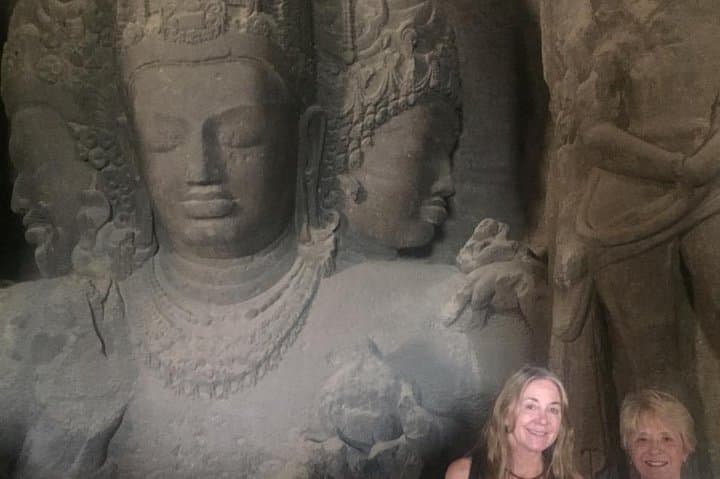
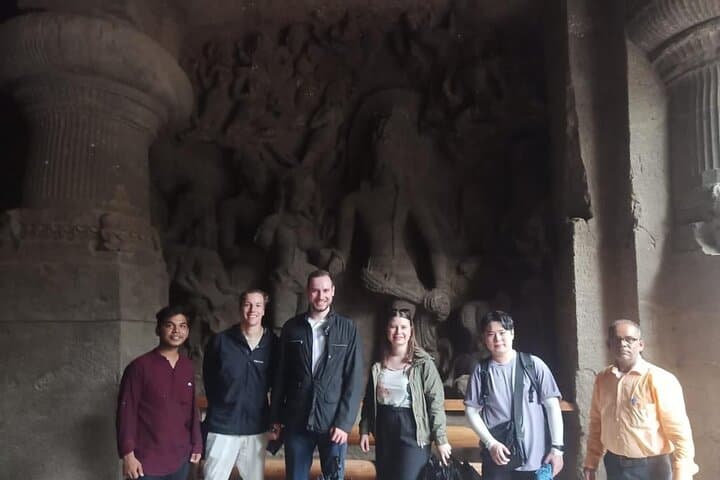
Carved from basalt between roughly the 5th and 8th centuries, the Elephanta Caves are a UNESCO World Heritage site focused on Shaivite sculpture — most famously the three‑headed Shiva (Trimurti). The island itself is a remnant of the Deccan trap basalt that shapes Mumbai’s coastline, so expect steps hewn directly from stone, weather‑smoothed reliefs and salt air that quickens the carvings’ patina.
Locals maintain a small fishing and market culture; lunch on a guided visit often features simple coastal fare and snacks sold beside the pier. Time here is as much about reading stone as watching boats and terns wheel along the harbor.
Practical guidance: book a morning ferry to avoid midday heat and secure guided entry; the boat is about 60 minutes each way, the site visit runs roughly 2–3 hours within a 5–6 hour tour. Wear sturdy shoes for uneven steps, bring sun protection and a refillable bottle — water is available but limited on routes. Mobility is limited on the main hill; those with heart or mobility concerns should plan accordingly. For photographers, early light from the west pier softens bas‑reliefs, while late afternoons give dramatic silhouettes of the Trimurti against the skyline of Mumbai.
moderate.
5–6 hours.
Moderate fitness for climbing uneven steps and walking between sites; not suitable for those with serious cardiovascular issues.
The ferry takes about 50–70 minutes each way depending on sea conditions; plan for about an hour on average.
Access requires climbing carved stone steps and navigating narrow passageways; wheelchair access is minimal and assistance is recommended for those with mobility issues.
There are small stalls and a basic cafeteria offering snacks and lunch, but bringing bottled water and light snacks is recommended.
Early morning departures avoid heat and crowds; late afternoons offer dramatic light but can be windier on the ferry.
Elephanta Caves are a UNESCO World Heritage site with rock‑cut Hindu and Buddhist sculptures dating mainly from the 5th–8th centuries, centered on Shaivite iconography.
The site is managed to limit visitor impact on fragile stone reliefs — avoid touching carvings, stick to marked paths and carry out litter to help preservation.
World of Bollywood Tours operates guided outdoor trips and adventures with an emphasis on safety, stewardship, and memorable experiences.
The ferry cuts loose from the Gateway of India and the city blurs into a sheet of sea and gulls. An hour’s tide‑laid ride delivers visitors to a low crescent of rock where carved faces peer from shadowed chambers and the island’s single lane hums with vendors and pilgrims.
The ferry cuts loose from the Gateway of India and the city blurs into a sheet of sea and gulls. An hour’s tide‑laid ride delivers visitors to a low crescent of rock where carved faces peer from shadowed chambers and the island’s single lane hums with vendors and pilgrims.
Carved from basalt between roughly the 5th and 8th centuries, the Elephanta Caves are a UNESCO World Heritage site focused on Shaivite sculpture — most famously the three‑headed Shiva (Trimurti). The island itself is a remnant of the Deccan trap basalt that shapes Mumbai’s coastline, so expect steps hewn directly from stone, weather‑smoothed reliefs and salt air that quickens the carvings’ patina.
Locals maintain a small fishing and market culture; lunch on a guided visit often features simple coastal fare and snacks sold beside the pier. Time here is as much about reading stone as watching boats and terns wheel along the harbor.
Practical guidance: book a morning ferry to avoid midday heat and secure guided entry; the boat is about 60 minutes each way, the site visit runs roughly 2–3 hours within a 5–6 hour tour. Wear sturdy shoes for uneven steps, bring sun protection and a refillable bottle — water is available but limited on routes. Mobility is limited on the main hill; those with heart or mobility concerns should plan accordingly. For photographers, early light from the west pier softens bas‑reliefs, while late afternoons give dramatic silhouettes of the Trimurti against the skyline of Mumbai.