THE ADVENTURE COLLECTIVE® · Independent discovery and booking for outdoor travel

Board a ferry at the Gateway of India for a full-day introduction to Mumbai’s coastline and history—from the UNESCO-listed Elephanta Caves to Kala Ghoda’s galleries. This guided private tour pairs archaeological highlights with city landmarks and practical local insights.
Board a ferry at the Gateway of India for a full-day introduction to Mumbai’s coastline and history—from the UNESCO-listed Elephanta Caves to Kala Ghoda’s galleries. This guided private tour pairs archaeological highlights with city landmarks and practical local insights.
The ferry slips away from the Gateway of India and the city’s heat thins into sea air; Mumbai’s skyline recedes as Elephanta Island’s rock face grows nearer, carved with centuries-old bas-reliefs that stare back at the Bandra-Worli silhouette. Visitors step onto a compact island where stone stairways climb to shadowed chambers, and the ocean punctuates the silence.
Verified experiences and guided adventures in the surrounding area.
Operated by Agora Voyages Pvt. Ltd. · Mumbai, Maharashtra
The ferry slips away from the Gateway of India and the city’s heat thins into sea air; Mumbai’s skyline recedes as Elephanta Island’s rock face grows nearer, carved with centuries-old bas-reliefs that stare back at the Bandra-Worli silhouette. Visitors step onto a compact island where stone stairways climb to shadowed chambers, and the ocean punctuates the silence.
Elephanta’s caves date to roughly the 5th–8th centuries and are among India’s most important rock-cut temple complexes, dedicated primarily to Shiva. The tour stitches this archaeology to colonial and modern Mumbai: the Gateway of India (built 1924), the Victorian Gothic Chhatrapati Shivaji Terminus, and the city’s civic museums that archive trade, textiles, and art. Geologically, the island is basalt carved by human hands; cultural layers—Hindu iconography, Portuguese-era docks, and contemporary street life—sit side by side.
Expect roughly 8–9 hours of movement: an hour ferry each way, 1–2 hours exploring caves with climbs and uneven stone, museum galleries, and short street walks through Kala Ghoda and Dhobi Ghat. Practicalities matter: wear grippy shoes for damp steps, carry water and a hat for sun exposed stretches, and budget time for ferry lines. Photography is allowed in most areas but respect signs and restricted sections; guides contextualize iconography and point out conservation efforts by the Archaeological Survey of India.
This is a full-day cultural loop that balances easy walking and stair climbs with moments of quiet geology and history—ideal for travelers who want a compact introduction to Mumbai’s ocean edge and its layered past.
moderate.
8–9 hours.
Moderate fitness—comfortable walking, ability to climb stairs and stand during guided explanations.
The ferry typically takes about 45–60 minutes each way depending on sea conditions and boarding time.
Entrance to Elephanta Caves and the museum may be included depending on the booking option—confirm inclusion before you travel.
Yes, but be aware of stairs and uneven paths on the island; travelers with mobility issues may find the climb challenging.
Basic refreshments are available near the landing area, but most tours include lunch back in South Mumbai at a local restaurant.
Elephanta (Gharapuri) hosts rock-cut Hindu temples from roughly the 5th–8th centuries and was designated a UNESCO World Heritage Site for its sculptural significance.
Visitor impact and salt-weathering threaten the bas-reliefs; the Archaeological Survey of India manages conservation and limits access to vulnerable sections to reduce wear.
Agora Voyages Pvt. Ltd. operates guided outdoor trips and adventures with an emphasis on safety, stewardship, and memorable experiences.
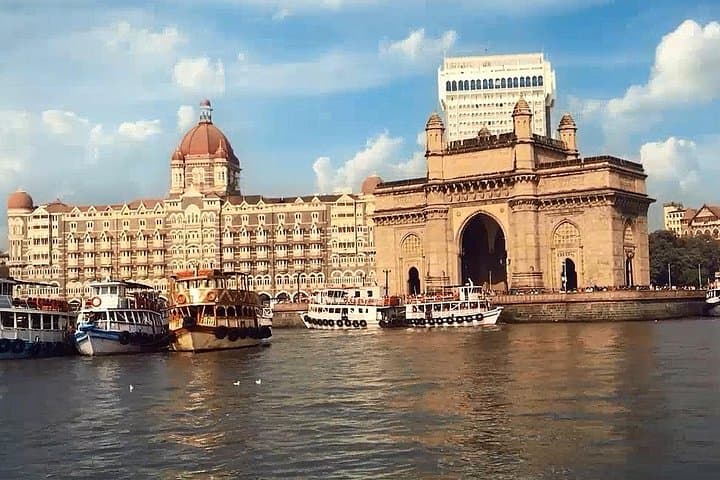
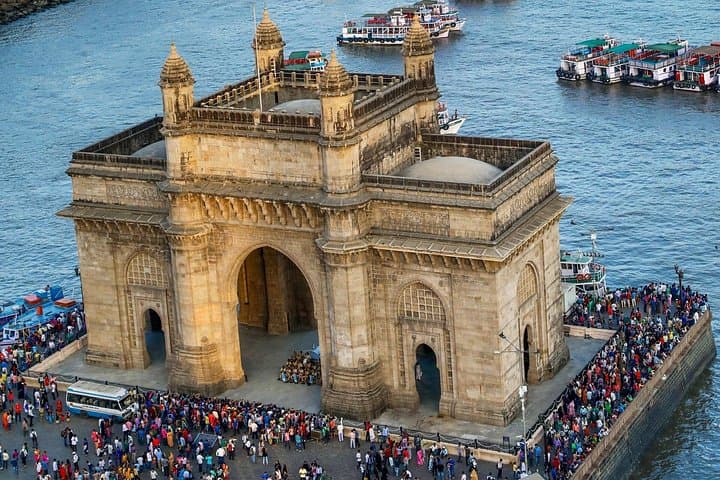
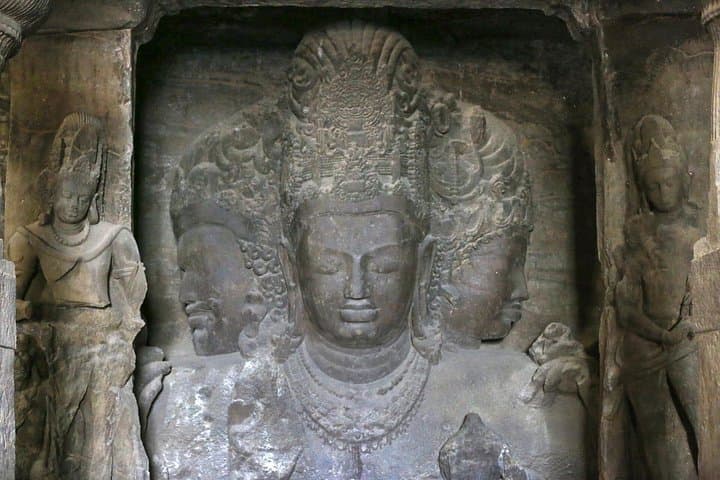
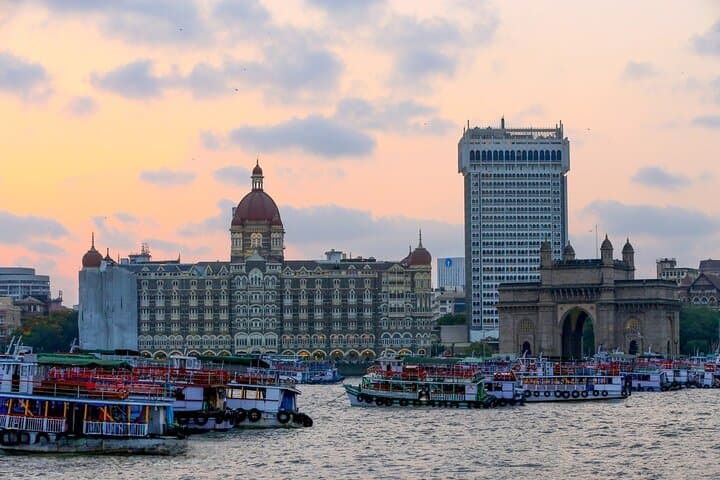
The ferry slips away from the Gateway of India and the city’s heat thins into sea air; Mumbai’s skyline recedes as Elephanta Island’s rock face grows nearer, carved with centuries-old bas-reliefs that stare back at the Bandra-Worli silhouette. Visitors step onto a compact island where stone stairways climb to shadowed chambers, and the ocean punctuates the silence.
The ferry slips away from the Gateway of India and the city’s heat thins into sea air; Mumbai’s skyline recedes as Elephanta Island’s rock face grows nearer, carved with centuries-old bas-reliefs that stare back at the Bandra-Worli silhouette. Visitors step onto a compact island where stone stairways climb to shadowed chambers, and the ocean punctuates the silence.
Elephanta’s caves date to roughly the 5th–8th centuries and are among India’s most important rock-cut temple complexes, dedicated primarily to Shiva. The tour stitches this archaeology to colonial and modern Mumbai: the Gateway of India (built 1924), the Victorian Gothic Chhatrapati Shivaji Terminus, and the city’s civic museums that archive trade, textiles, and art. Geologically, the island is basalt carved by human hands; cultural layers—Hindu iconography, Portuguese-era docks, and contemporary street life—sit side by side.
Expect roughly 8–9 hours of movement: an hour ferry each way, 1–2 hours exploring caves with climbs and uneven stone, museum galleries, and short street walks through Kala Ghoda and Dhobi Ghat. Practicalities matter: wear grippy shoes for damp steps, carry water and a hat for sun exposed stretches, and budget time for ferry lines. Photography is allowed in most areas but respect signs and restricted sections; guides contextualize iconography and point out conservation efforts by the Archaeological Survey of India.
This is a full-day cultural loop that balances easy walking and stair climbs with moments of quiet geology and history—ideal for travelers who want a compact introduction to Mumbai’s ocean edge and its layered past.