THE ADVENTURE COLLECTIVE® · Independent discovery and booking for outdoor travel

Spend a half day watching rescued elephants forage and bathe, then learn Thai cooking techniques using local ingredients. This ethical sanctuary visit pairs animal observation with cultural context and practical tips for responsible wildlife encounters.
Spend a half day watching rescued elephants forage and bathe, then learn Thai cooking techniques using local ingredients. This ethical sanctuary visit pairs animal observation with cultural context and practical tips for responsible wildlife encounters.
Morning light slices through tamarind and bamboo as you arrive at the sanctuary—boots on dirt, a Karen shirt tied at the shoulder, the air thick with warm earth and the distant churn of a stream. Guides gather the group for a short talk; then the elephants appear, deliberate and curious, their trunks sampling leaves and water as if giving the jungle its daily verdict.
Verified experiences and guided adventures in the surrounding area.
Operated by Oh-Hoo · Chiang Mai, Chiang Mai Province
Morning light slices through tamarind and bamboo as you arrive at the sanctuary—boots on dirt, a Karen shirt tied at the shoulder, the air thick with warm earth and the distant churn of a stream. Guides gather the group for a short talk; then the elephants appear, deliberate and curious, their trunks sampling leaves and water as if giving the jungle its daily verdict.
Northern Thailand’s hills are folded remnants of old river terraces and volcanic soils that sustain the forest corridors elephants still use. The region’s human history runs parallel: the ethnic Karen people and Lanna communities have long worked with timber and rice, and recent decades have seen a shift toward ethical ecotourism as logging declined and conservation took priority.
At this sanctuary the day blends observation with hands-on learning: you’ll prepare fruit and veg for the animals, watch them bathe and socialize from a raised platform, then return to a shaded kitchen for a Thai cooking demonstration and traditional lunch. The experience balances close-up animal viewing without riding or direct coercion—behavioral cues, herd dynamics and caretaker routines are explained throughout.
Practicalities: choose the early tour to avoid mid-day heat; wear closed-toe shoes that handle mud; bring waterproofs in the rainy months. Photography is encouraged but follow handler directions—approach slowly, never feed by hand unless instructed, and keep noise low to respect elephant social rhythms.
This is a half-day, family-friendly option that pairs wildlife observation with cultural immersion—good for travelers who want ethical animal encounters and a straightforward introduction to Northern Thai food and conservation.
easy.
5–6 hours.
Suitable for most fitness levels; involves short walks and standing on platforms but no strenuous climbs
No—this tour focuses on observation, feeding preparation and bathing from a safe platform; riding is not offered.
Round-trip transfer is included within a 5km radius of Chiang Mai’s old city; confirm pickup details when booking.
Yes—children are welcome; infants must sit on laps and handlers will guide all interactions to ensure safety for minors.
Yes—the tour photographer provides photos that you can download, and staff typically post images on social platforms after the visit.
The region transitioned from timber and logging economies to community-based ecotourism; many sanctuaries partner with local Karen and Lanna groups to provide alternative livelihoods.
Choose sanctuaries that prioritize observation over rides and that reinvest in elephant care; limit noise and follow staff guidance to reduce stress on animals.
Oh-Hoo operates guided outdoor trips and adventures with an emphasis on safety, stewardship, and memorable experiences.
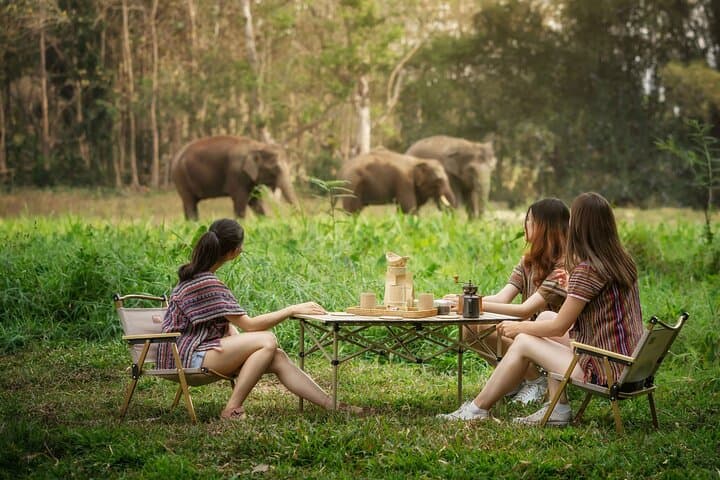
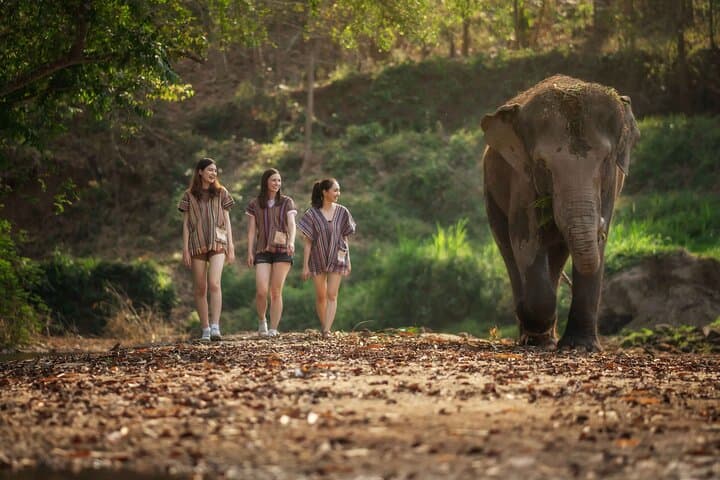
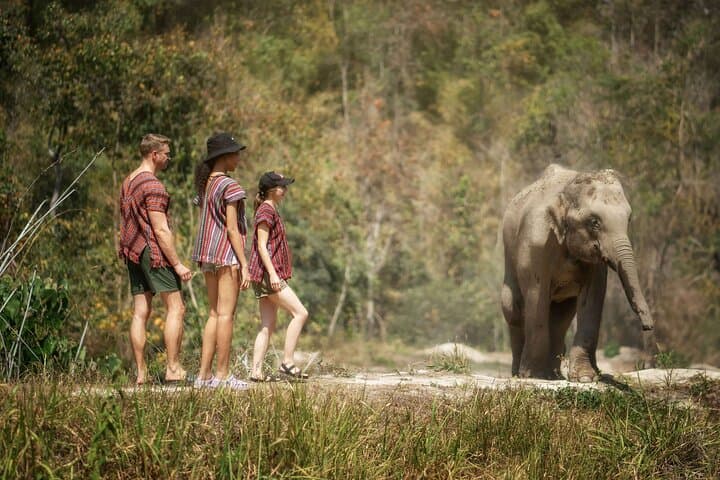
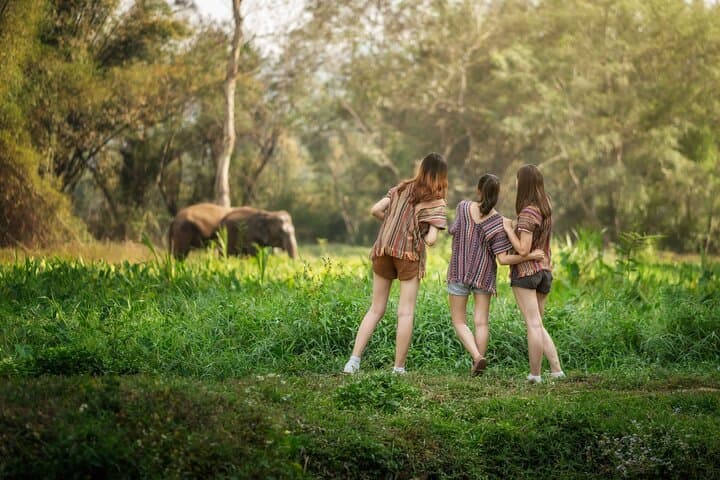
Morning light slices through tamarind and bamboo as you arrive at the sanctuary—boots on dirt, a Karen shirt tied at the shoulder, the air thick with warm earth and the distant churn of a stream. Guides gather the group for a short talk; then the elephants appear, deliberate and curious, their trunks sampling leaves and water as if giving the jungle its daily verdict.
Morning light slices through tamarind and bamboo as you arrive at the sanctuary—boots on dirt, a Karen shirt tied at the shoulder, the air thick with warm earth and the distant churn of a stream. Guides gather the group for a short talk; then the elephants appear, deliberate and curious, their trunks sampling leaves and water as if giving the jungle its daily verdict.
Northern Thailand’s hills are folded remnants of old river terraces and volcanic soils that sustain the forest corridors elephants still use. The region’s human history runs parallel: the ethnic Karen people and Lanna communities have long worked with timber and rice, and recent decades have seen a shift toward ethical ecotourism as logging declined and conservation took priority.
At this sanctuary the day blends observation with hands-on learning: you’ll prepare fruit and veg for the animals, watch them bathe and socialize from a raised platform, then return to a shaded kitchen for a Thai cooking demonstration and traditional lunch. The experience balances close-up animal viewing without riding or direct coercion—behavioral cues, herd dynamics and caretaker routines are explained throughout.
Practicalities: choose the early tour to avoid mid-day heat; wear closed-toe shoes that handle mud; bring waterproofs in the rainy months. Photography is encouraged but follow handler directions—approach slowly, never feed by hand unless instructed, and keep noise low to respect elephant social rhythms.
This is a half-day, family-friendly option that pairs wildlife observation with cultural immersion—good for travelers who want ethical animal encounters and a straightforward introduction to Northern Thai food and conservation.