THE ADVENTURE COLLECTIVE® · Independent discovery and booking for outdoor travel

Head out from Sigiriya for a 3–5 hour jeep safari to Minneriya, Kaudulla or Hurulu Eco Park and watch wild elephants gather along ancient tanks. This practical guide explains what to expect, when to go, and how to prepare for close—and safe—wildlife viewing.
Head out from Sigiriya for a 3–5 hour jeep safari to Minneriya, Kaudulla or Hurulu Eco Park and watch wild elephants gather along ancient tanks. This practical guide explains what to expect, when to go, and how to prepare for close—and safe—wildlife viewing.
A low, bronze light spreads over the shallow tank as a 4x4 crunches along laterite tracks and the first silhouettes of elephants emerge—massive backs dipped like islands in long grass, trunks probing for water. On a typical safari from Sigiriya the landscape pushes and relaxes around you: open plains give way to scrub and pockets of dry forest, and bird calls thread the intervals between tusks and trunks.
Verified experiences and guided adventures in the surrounding area.
Operated by Shan Jeep Safari & Tours · Sigiriya, Central Province
A low, bronze light spreads over the shallow tank as a 4x4 crunches along laterite tracks and the first silhouettes of elephants emerge—massive backs dipped like islands in long grass, trunks probing for water. On a typical safari from Sigiriya the landscape pushes and relaxes around you: open plains give way to scrub and pockets of dry forest, and bird calls thread the intervals between tusks and trunks.
These parks sit in Sri Lanka’s dry zone, sculpted by ancient irrigation works and seasonal rainfall. The Minneriya Tank itself is part of a medieval hydraulic network that sustained kingdoms and wildlife alike; nearby Sigiriya and Pidurangala offer echoes of the same human history in stone. Geologically the zone is low-lying with scattered granite outcrops; ecologically it supports savanna species—elephants, deer, monkeys, peafowl and a profusion of water birds.
Guides choose Minneriya, Kaudulla or quieter Hurulu depending on seasonal elephant movements; the famed “Gathering” of hundreds of elephants tends to peak in the dry months. Practical realities matter: safaris run 3–5 hours in open-top jeeps on uneven tracks, and midday heat can be intense. Bring sun protection, water, insect repellent and a small pair of binoculars; keep camera settings ready because sightings are often brief.
Expect organized pickup from Sigiriya, knowledgeable guides, and clear safety rules—stay inside the vehicle, follow the guide’s positioning, and give elephants wide berth. With basic preparation this is a high-impact, accessible wildlife day that pairs well with a morning climb of Sigiriya Rock or an evening at a village eatery to taste local rice and curry.
moderate.
3–5 hours.
Suitable for most fitness levels; must be able to climb in/out of a raised 4x4 and tolerate bumpy rides.
The dry season—roughly June through September—draws large herds to the tanks and offers the highest probability of extensive sightings.
Guides keep a safe distance; jeeps may approach within a few dozen meters for viewing but will retreat if animals show signs of stress.
Yes—safaris are classified easy physically, but children should remain seated and supervised; pregnant travelers are not recommended by some operators.
Leopards are present, especially in Hurulu, but sightings are rare; elephants and birds are the most commonly observed species.
The parks sit among ancient irrigation tanks and reservoirs built by medieval Sri Lankan kings; these human-made water bodies now sustain seasonal wildlife movements.
Human–wildlife conflict and habitat loss are ongoing issues—support responsible operators who follow park rules and minimize disturbance to animals.
Shan Jeep Safari & Tours operates guided outdoor trips and adventures with an emphasis on safety, stewardship, and memorable experiences.
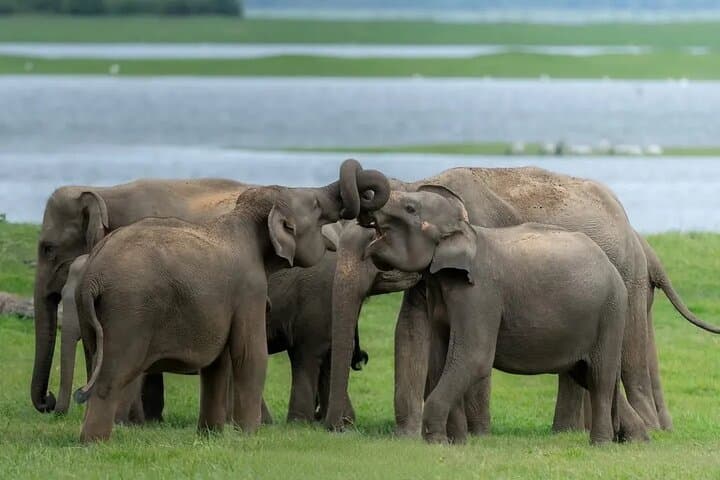
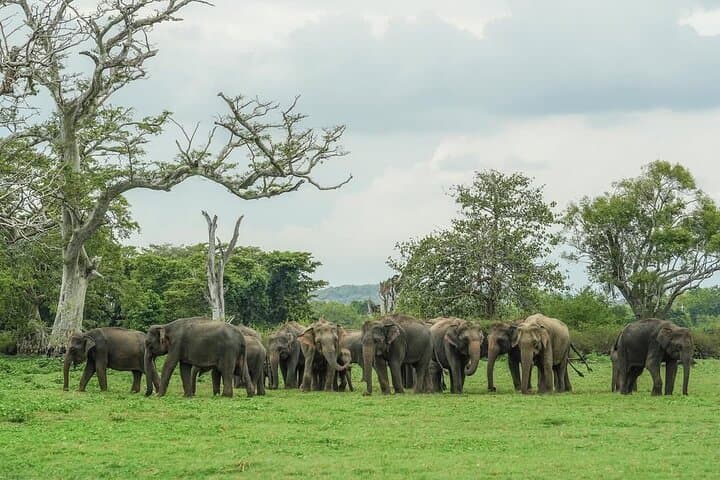
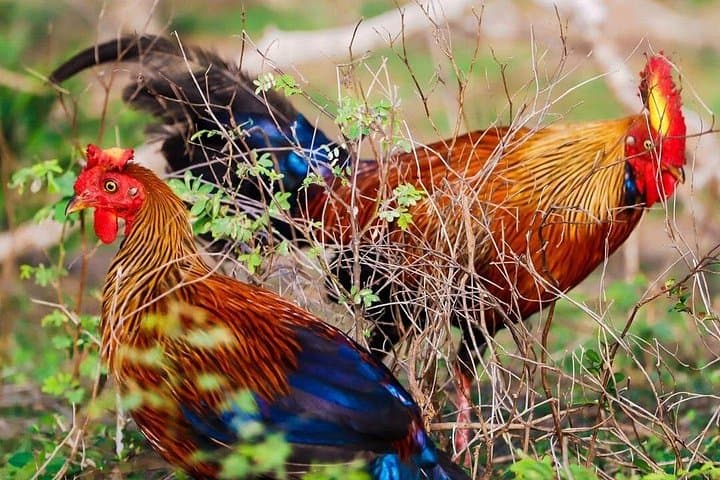
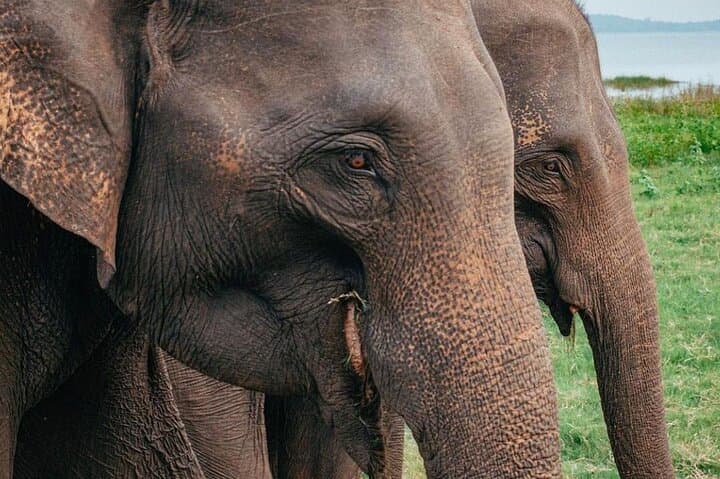
A low, bronze light spreads over the shallow tank as a 4x4 crunches along laterite tracks and the first silhouettes of elephants emerge—massive backs dipped like islands in long grass, trunks probing for water. On a typical safari from Sigiriya the landscape pushes and relaxes around you: open plains give way to scrub and pockets of dry forest, and bird calls thread the intervals between tusks and trunks.
A low, bronze light spreads over the shallow tank as a 4x4 crunches along laterite tracks and the first silhouettes of elephants emerge—massive backs dipped like islands in long grass, trunks probing for water. On a typical safari from Sigiriya the landscape pushes and relaxes around you: open plains give way to scrub and pockets of dry forest, and bird calls thread the intervals between tusks and trunks.
These parks sit in Sri Lanka’s dry zone, sculpted by ancient irrigation works and seasonal rainfall. The Minneriya Tank itself is part of a medieval hydraulic network that sustained kingdoms and wildlife alike; nearby Sigiriya and Pidurangala offer echoes of the same human history in stone. Geologically the zone is low-lying with scattered granite outcrops; ecologically it supports savanna species—elephants, deer, monkeys, peafowl and a profusion of water birds.
Guides choose Minneriya, Kaudulla or quieter Hurulu depending on seasonal elephant movements; the famed “Gathering” of hundreds of elephants tends to peak in the dry months. Practical realities matter: safaris run 3–5 hours in open-top jeeps on uneven tracks, and midday heat can be intense. Bring sun protection, water, insect repellent and a small pair of binoculars; keep camera settings ready because sightings are often brief.
Expect organized pickup from Sigiriya, knowledgeable guides, and clear safety rules—stay inside the vehicle, follow the guide’s positioning, and give elephants wide berth. With basic preparation this is a high-impact, accessible wildlife day that pairs well with a morning climb of Sigiriya Rock or an evening at a village eatery to taste local rice and curry.