THE ADVENTURE COLLECTIVE® · Independent discovery and booking for outdoor travel

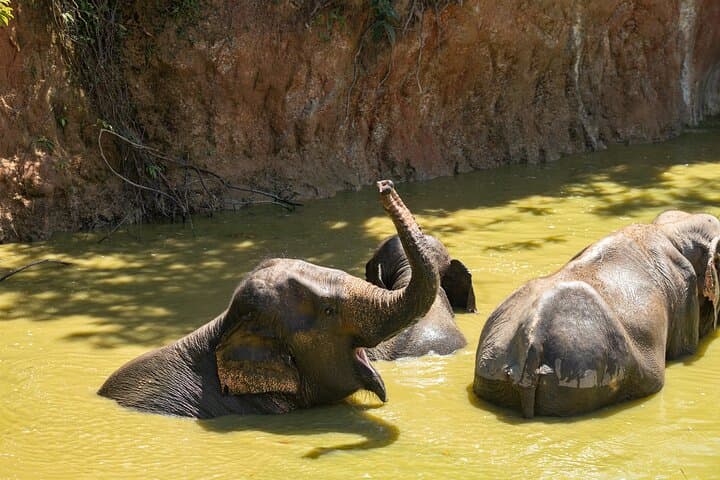
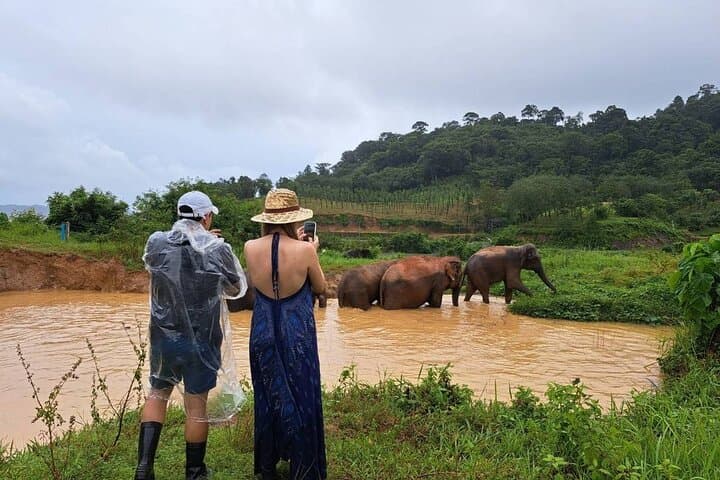
Spend three hours at Bukit Elephant Park observing elephants from a safe distance, feeding them under mahout supervision, and learning Thai village crafts like rubber tapping and coconut milk making—followed by a buffet lunch. This experience prioritizes elephant welfare: no riding or bathing.
Spend three hours at Bukit Elephant Park observing elephants from a safe distance, feeding them under mahout supervision, and learning Thai village crafts like rubber tapping and coconut milk making—followed by a buffet lunch. This experience prioritizes elephant welfare: no riding or bathing.
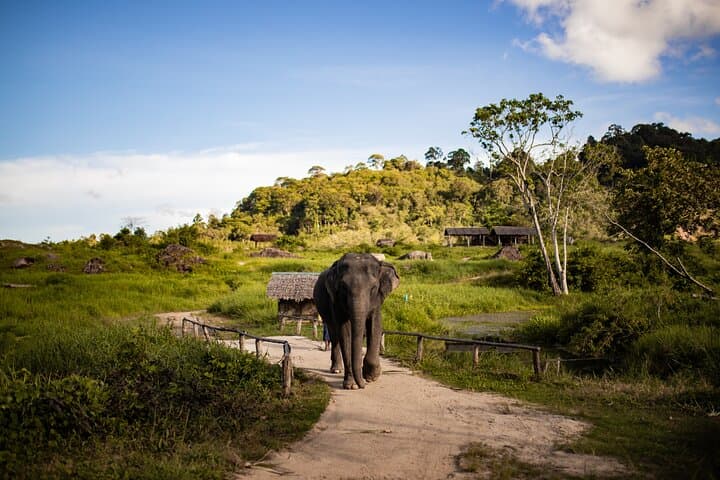
You arrive by air-conditioned van, the road softening into rubber plantations and low hills; a few large, calm shapes graze where forest meets open ground. Guides and mahouts move quietly; the elephants respond with slow, deliberate curiosity rather than performance. The program opens with an orientation on safe viewing and feeding from a fenced area—no riding, no bathing—so interaction is observant and respectful.
Verified experiences and guided adventures in the surrounding area.
Operated by Bukit Elephant Park · Phuket, Phuket
You arrive by air-conditioned van, the road softening into rubber plantations and low hills; a few large, calm shapes graze where forest meets open ground. Guides and mahouts move quietly; the elephants respond with slow, deliberate curiosity rather than performance. The program opens with an orientation on safe viewing and feeding from a fenced area—no riding, no bathing—so interaction is observant and respectful.
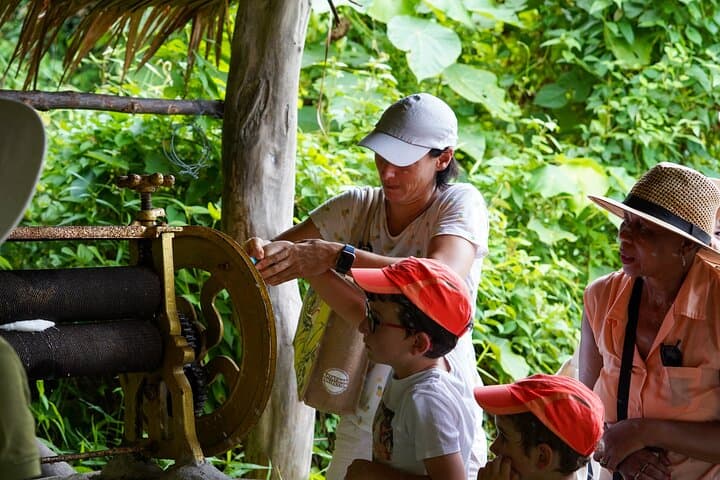
Southern Thailand’s limestone hills and wet tropical soils made this coast ideal for rubber development in the 20th century, and the park sits where plantation history and rainforest edge meet. Elephants here carry cultural weight: they were working partners, symbols in royal and rural life, and now subjects of rehabilitation and sanctuary. The visit mixes wildlife insight—mahout-led explanations of diet, social behavior, and rescue histories—with hands-on Thai-cultural demonstrations: rubber tapping and sheet-making, making coconut milk, and a short Thai cooking session that leads into a buffet lunch.
Practically, the experience runs about 3 hours, offered mornings and afternoons; staff provide bottled water, boots in the rainy season and a guide throughout. Expect fenced feeding, close but controlled encounters, clear rules on noise, flash photography and drones, and a chance to learn about elephant welfare standards. Bring closed-toe shoes, sun protection, and a curiosity for craft and cuisine as much as for wildlife. For travelers who want meaningful animal encounters without exploitation, this program combines field observation, hands-on cultural learning and a satisfying local meal.
easy.
3 hours.
Suitable for most fitness levels; involves short walks on flat to uneven ground and standing during demonstrations.
No — the sanctuary does not offer riding or bathing; interactions are limited to observation and supervised feeding to prioritize welfare.
Yes; the program is suitable for children, though infants must sit on laps and all visitors must follow safety instructions around animals.
Yes — the operator can prepare vegetarian or accommodate some food allergies if notified in advance via booking questions.
Air-conditioned vehicle pickup is offered; confirm pickup point when booking and plan for a short drive from central Phuket areas.
Elephants have long been integral to Thai rural life for logging and ceremony; sanctuaries in southern Thailand often sit where former plantations meet remnant rainforest.
The park focuses on non-invasive care and education—avoiding rides and forced performances reduces stress and supports rehabilitation; visitors are asked to follow strict rules to minimize disturbance.
Bukit Elephant Park operates guided outdoor trips and adventures with an emphasis on safety, stewardship, and memorable experiences.
You arrive by air-conditioned van, the road softening into rubber plantations and low hills; a few large, calm shapes graze where forest meets open ground. Guides and mahouts move quietly; the elephants respond with slow, deliberate curiosity rather than performance. The program opens with an orientation on safe viewing and feeding from a fenced area—no riding, no bathing—so interaction is observant and respectful.
You arrive by air-conditioned van, the road softening into rubber plantations and low hills; a few large, calm shapes graze where forest meets open ground. Guides and mahouts move quietly; the elephants respond with slow, deliberate curiosity rather than performance. The program opens with an orientation on safe viewing and feeding from a fenced area—no riding, no bathing—so interaction is observant and respectful.
Southern Thailand’s limestone hills and wet tropical soils made this coast ideal for rubber development in the 20th century, and the park sits where plantation history and rainforest edge meet. Elephants here carry cultural weight: they were working partners, symbols in royal and rural life, and now subjects of rehabilitation and sanctuary. The visit mixes wildlife insight—mahout-led explanations of diet, social behavior, and rescue histories—with hands-on Thai-cultural demonstrations: rubber tapping and sheet-making, making coconut milk, and a short Thai cooking session that leads into a buffet lunch.
Practically, the experience runs about 3 hours, offered mornings and afternoons; staff provide bottled water, boots in the rainy season and a guide throughout. Expect fenced feeding, close but controlled encounters, clear rules on noise, flash photography and drones, and a chance to learn about elephant welfare standards. Bring closed-toe shoes, sun protection, and a curiosity for craft and cuisine as much as for wildlife. For travelers who want meaningful animal encounters without exploitation, this program combines field observation, hands-on cultural learning and a satisfying local meal.