THE ADVENTURE COLLECTIVE® · Independent discovery and booking for outdoor travel

Spend a calm three hours observing and learning about elephants near Pattaya. This half-day morning program focuses on ethical, low-impact interactions with feeding, observation, and educational briefings.
Spend a calm three hours observing and learning about elephants near Pattaya. This half-day morning program focuses on ethical, low-impact interactions with feeding, observation, and educational briefings.
A cool morning mist lifts off the paddocks as the herd moves slowly toward the watering hole; trunks probe the grass, ears flicking like quiet banners. At the Elephant Jungle Sanctuary near Pattaya, a three-hour morning program is paced for calm observation and gentle interaction rather than spectacle. Guests arrive to short briefings, share light snacks and tea, then spend the session learning about individual elephants, their behavior, and current care practices.
Verified experiences and guided adventures in the surrounding area.
Operated by Elephant Jungle Sanctuary Pattaya · Pattaya, Chonburi
A cool morning mist lifts off the paddocks as the herd moves slowly toward the watering hole; trunks probe the grass, ears flicking like quiet banners. At the Elephant Jungle Sanctuary near Pattaya, a three-hour morning program is paced for calm observation and gentle interaction rather than spectacle. Guests arrive to short briefings, share light snacks and tea, then spend the session learning about individual elephants, their behavior, and current care practices.
The sanctuary concept emerged in Thailand as a response to increased tourism pressure and the decline of traditional working roles for elephants. The region’s low hills and alluvial plains around Pattaya show layered soil and tropical forest patches that sustain the food the animals rely on. Local culture treats elephants with complex respect; many workshops include basic history about domesticated elephant use and modern shifts toward welfare-oriented encounters.
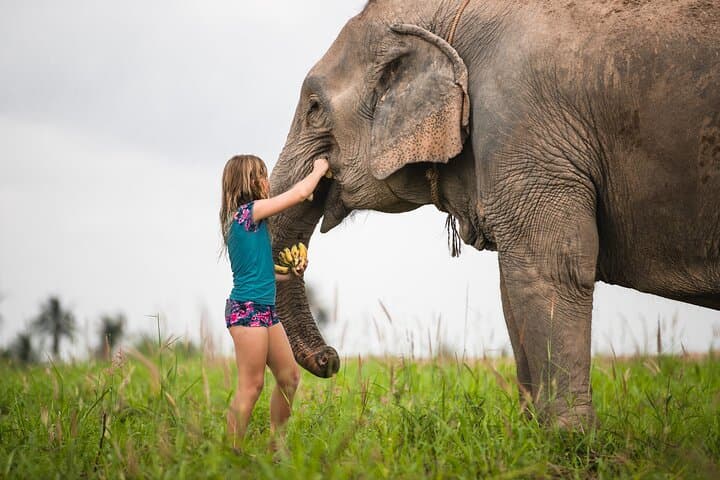
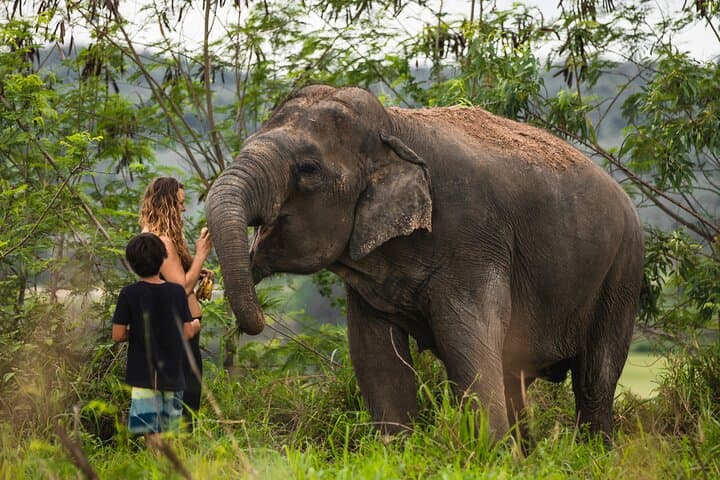
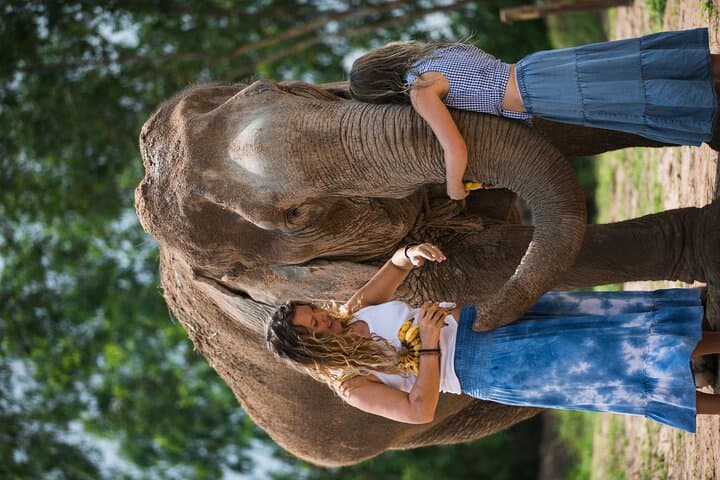
Practically, the half-day program emphasizes close but controlled contact — feeding, observing body language, and supervised mud or water activities where offered — with no riding. Small-group numbers keep experiences personal; staff explain feeding techniques and safety around trunks and tusks. Facilities typically provide lunch, coffee, and restroom access.
Plan to arrive with sun protection, closed-toe shoes, and patience: elephants set the pace. Mornings bring cooler temperatures and active animals; bring a lightweight layer and a small camera with a zoom. The experience is family-friendly and physically easy, but visitors with medical concerns should disclose conditions when booking. With thoughtful preparation, the sanctuary’s morning session offers an accessible, ethical window into Thailand’s largest terrestrial mammals.
easy.
3 hours.
Suitable for most fitness levels; involves short periods of standing and gentle walking
No — this program focuses on observation and hands-on care activities like feeding and supervised bathing; riding is not part of ethical sanctuary programs.
The scheduled program runs about three hours and typically includes a briefing, time with the elephants, snacks, and lunch or refreshments.
Booking pages often request pickup point details; many operators provide transfer options from Pattaya for an extra fee—confirm at booking.
Yes; the activity is family-friendly, but parents should supervise close interactions and follow staff safety instructions.
Elephant sanctuaries in Thailand arose from shifts away from logging and trekking industries toward welfare-focused tourism; many sites now prioritize rehabilitation and education.
Programs emphasize limited-contact, enrichment-based care and encourage guests to support non-riding, welfare-first elephant experiences to reduce demand for exploitative practices.
Elephant Jungle Sanctuary Pattaya operates guided outdoor trips and adventures with an emphasis on safety, stewardship, and memorable experiences.
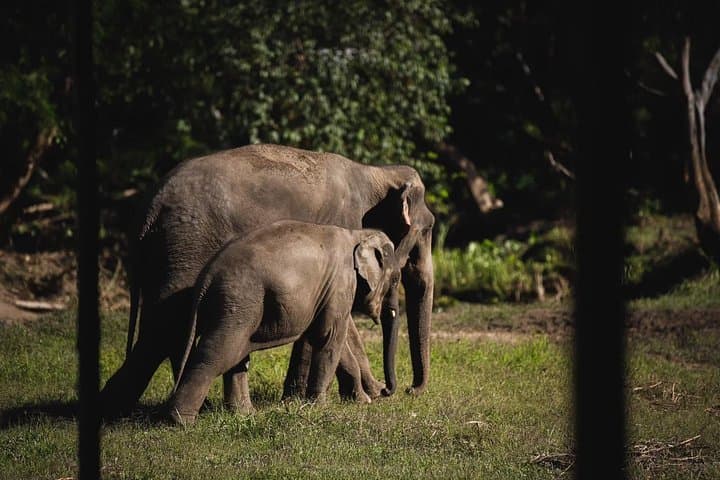
A cool morning mist lifts off the paddocks as the herd moves slowly toward the watering hole; trunks probe the grass, ears flicking like quiet banners. At the Elephant Jungle Sanctuary near Pattaya, a three-hour morning program is paced for calm observation and gentle interaction rather than spectacle. Guests arrive to short briefings, share light snacks and tea, then spend the session learning about individual elephants, their behavior, and current care practices.
A cool morning mist lifts off the paddocks as the herd moves slowly toward the watering hole; trunks probe the grass, ears flicking like quiet banners. At the Elephant Jungle Sanctuary near Pattaya, a three-hour morning program is paced for calm observation and gentle interaction rather than spectacle. Guests arrive to short briefings, share light snacks and tea, then spend the session learning about individual elephants, their behavior, and current care practices.
The sanctuary concept emerged in Thailand as a response to increased tourism pressure and the decline of traditional working roles for elephants. The region’s low hills and alluvial plains around Pattaya show layered soil and tropical forest patches that sustain the food the animals rely on. Local culture treats elephants with complex respect; many workshops include basic history about domesticated elephant use and modern shifts toward welfare-oriented encounters.
Practically, the half-day program emphasizes close but controlled contact — feeding, observing body language, and supervised mud or water activities where offered — with no riding. Small-group numbers keep experiences personal; staff explain feeding techniques and safety around trunks and tusks. Facilities typically provide lunch, coffee, and restroom access.
Plan to arrive with sun protection, closed-toe shoes, and patience: elephants set the pace. Mornings bring cooler temperatures and active animals; bring a lightweight layer and a small camera with a zoom. The experience is family-friendly and physically easy, but visitors with medical concerns should disclose conditions when booking. With thoughtful preparation, the sanctuary’s morning session offers an accessible, ethical window into Thailand’s largest terrestrial mammals.