THE ADVENTURE COLLECTIVE® · Independent discovery and booking for outdoor travel

Spend a full or half day caring for rescued elephants near Chiang Mai—no riding—paired with a rainforest raft run and a short jungle trek to a waterfall. Learn hands‑on husbandry, observe mud‑bathing and river bathing, and return to the city with a clearer understanding of ethical elephant tourism.
Spend a full or half day caring for rescued elephants near Chiang Mai—no riding—paired with a rainforest raft run and a short jungle trek to a waterfall. Learn hands‑on husbandry, observe mud‑bathing and river bathing, and return to the city with a clearer understanding of ethical elephant tourism.
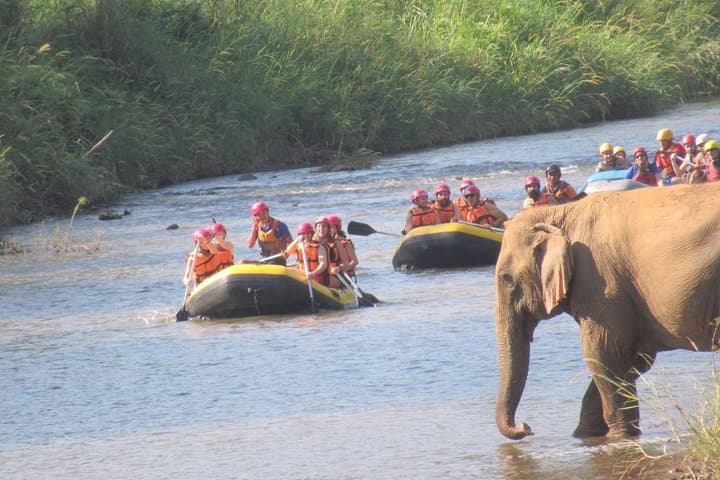
You arrive before dawn on a narrow rural road, mist lifting off rice paddies and the day warming as you drive into forested hills outside Chiang Mai. The sanctuary opens like a patch of calm—elephants moving slowly through shaded clearings, trunks probing for bananas while mahouts and guides stay well back. The scent of wet earth and teak hangs heavy after the morning mud‑bath; later you’ll hear the river daring you toward a shallow crossing where elephants bathe on their own terms.
Verified experiences and guided adventures in the surrounding area.
Operated by Local Tours Center · Chiang Mai, Chiang Mai Province
You arrive before dawn on a narrow rural road, mist lifting off rice paddies and the day warming as you drive into forested hills outside Chiang Mai. The sanctuary opens like a patch of calm—elephants moving slowly through shaded clearings, trunks probing for bananas while mahouts and guides stay well back. The scent of wet earth and teak hangs heavy after the morning mud‑bath; later you’ll hear the river daring you toward a shallow crossing where elephants bathe on their own terms.
Northern Thailand’s hills are carved from ancient granite and metamorphic rock; terraces and streams follow fault lines that shaped Mae Sa and nearby valleys. Elephants have been part of the region’s economy and culture for centuries—working in logging and ceremony—so modern sanctuaries now focus on rescue, rehabilitation and ethical tourism without riding.
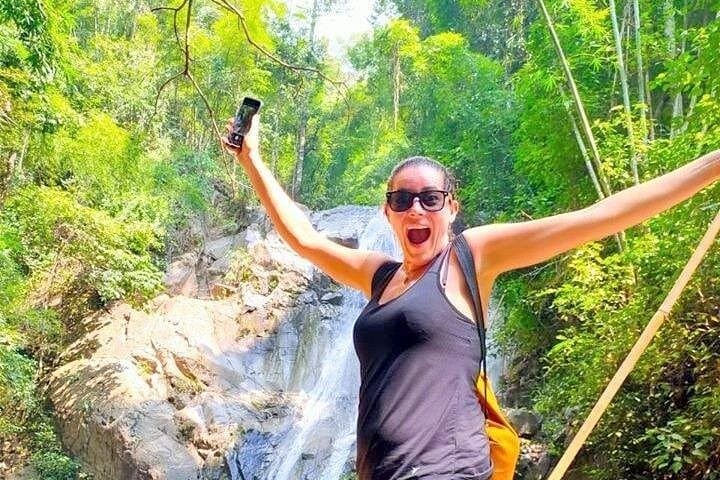
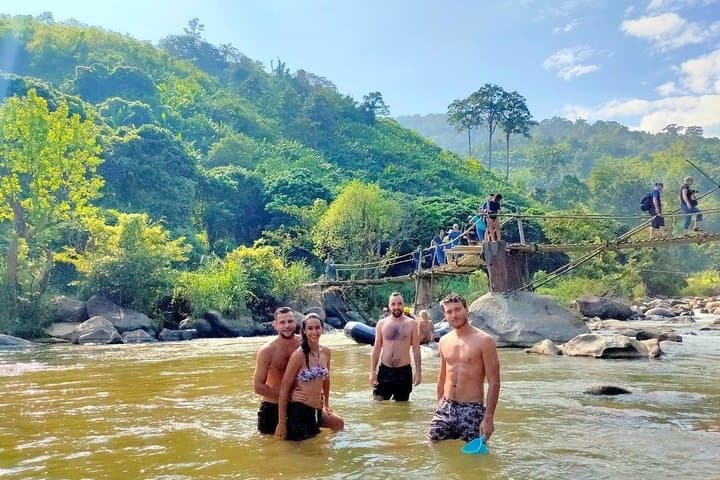
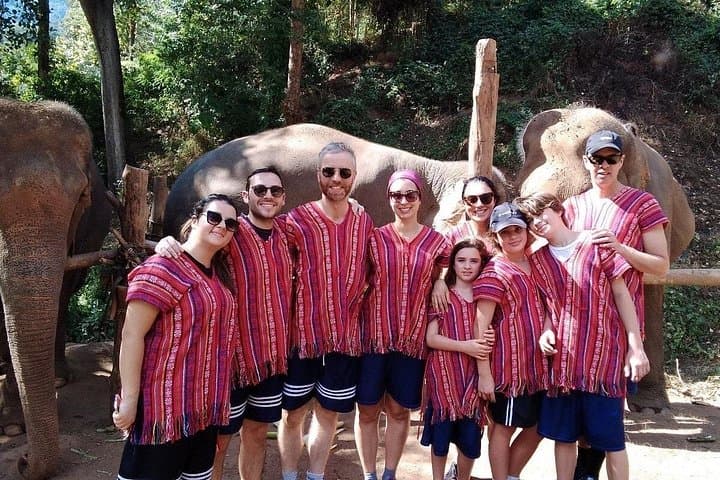
This full‑day experience pairs hands‑on care with a 50‑minute white‑water rafting stretch and roughly 2 hours of jungle trekking (1 hour out, 1 hour back) to a small waterfall. Expect uneven trail, muddy sections, and basic river currents on rafts through rainforest canopy. Guides demonstrate feeding, natural mud spa behaviors, and safe, non‑invasive interactions; lunch is Thai fare provided on site.
Practical guidance: wear quick‑dry shoes and a swimsuit, bring a towel, sunscreen and insect repellent, and be prepared for 7–8 hours including travel from Chiang Mai. Pregnant travelers and those with spinal or heart conditions should avoid the program. Photography is welcomed but follow staff directions—keeping distance preserves both your safety and the animals’ recovery.
moderate.
7–8 hours.
Moderate fitness — able to walk uneven jungle trails for about 2 hours total and board rafts; not suitable for those with serious mobility, spinal, or cardiovascular issues.
No — the sanctuary operates a strict no‑riding policy and focuses on observation, feeding, and non‑invasive care.
Yes — hotel pickup and drop‑off in Chiang Mai are included, with morning pickup around 08:00–08:30 and return about 18:30 for full‑day tours.
Children can join but infants must sit on an adult’s lap; the program requires moderate fitness and is not suitable for very young children during rafting or long treks.
Not recommended for pregnant travelers or those with spinal or serious heart conditions; participants should have moderate physical fitness.
Logging and elephant labor were central to northern Thai economies; many sanctuaries now rehabilitate former working elephants and promote ethical tourism.
The site emphasizes non‑coercive care, supports rescue and rehabilitation, and encourages visitors to follow low‑impact guidelines to protect habitat and animal welfare.
Local Tours Center operates guided outdoor trips and adventures with an emphasis on safety, stewardship, and memorable experiences.
You arrive before dawn on a narrow rural road, mist lifting off rice paddies and the day warming as you drive into forested hills outside Chiang Mai. The sanctuary opens like a patch of calm—elephants moving slowly through shaded clearings, trunks probing for bananas while mahouts and guides stay well back. The scent of wet earth and teak hangs heavy after the morning mud‑bath; later you’ll hear the river daring you toward a shallow crossing where elephants bathe on their own terms.
You arrive before dawn on a narrow rural road, mist lifting off rice paddies and the day warming as you drive into forested hills outside Chiang Mai. The sanctuary opens like a patch of calm—elephants moving slowly through shaded clearings, trunks probing for bananas while mahouts and guides stay well back. The scent of wet earth and teak hangs heavy after the morning mud‑bath; later you’ll hear the river daring you toward a shallow crossing where elephants bathe on their own terms.
Northern Thailand’s hills are carved from ancient granite and metamorphic rock; terraces and streams follow fault lines that shaped Mae Sa and nearby valleys. Elephants have been part of the region’s economy and culture for centuries—working in logging and ceremony—so modern sanctuaries now focus on rescue, rehabilitation and ethical tourism without riding.
This full‑day experience pairs hands‑on care with a 50‑minute white‑water rafting stretch and roughly 2 hours of jungle trekking (1 hour out, 1 hour back) to a small waterfall. Expect uneven trail, muddy sections, and basic river currents on rafts through rainforest canopy. Guides demonstrate feeding, natural mud spa behaviors, and safe, non‑invasive interactions; lunch is Thai fare provided on site.
Practical guidance: wear quick‑dry shoes and a swimsuit, bring a towel, sunscreen and insect repellent, and be prepared for 7–8 hours including travel from Chiang Mai. Pregnant travelers and those with spinal or heart conditions should avoid the program. Photography is welcomed but follow staff directions—keeping distance preserves both your safety and the animals’ recovery.