THE ADVENTURE COLLECTIVE® · Independent discovery and booking for outdoor travel

Spend a half-day outside Agra visiting a Wildlife SOS elephant rehabilitation center. Observe rescued Asian elephants in open fields and bathing pools while learning about rescue, care and rehabilitation from the staff.
Spend a half-day outside Agra visiting a Wildlife SOS elephant rehabilitation center. Observe rescued Asian elephants in open fields and bathing pools while learning about rescue, care and rehabilitation from the staff.
Morning light filters through tamarind and acacia as the van leaves Agra’s bustle and the road thins into fields. The scent of wet earth and crushed grass grows stronger; somewhere ahead the low rumble of elephants punctures the air. Visitors arrive at the Wildlife SOS Elephant Conservation and Care Center to watch rescued animals move at their own pace—grazing across open grass, heading to shallow pools, or resting under shade trees.
Verified experiences and guided adventures in the surrounding area.
Operated by GeTS Holidays · Agra, Uttar Pradesh
Morning light filters through tamarind and acacia as the van leaves Agra’s bustle and the road thins into fields. The scent of wet earth and crushed grass grows stronger; somewhere ahead the low rumble of elephants punctures the air. Visitors arrive at the Wildlife SOS Elephant Conservation and Care Center to watch rescued animals move at their own pace—grazing across open grass, heading to shallow pools, or resting under shade trees.
The center was established in 2010 in partnership with the state government to rehabilitate elephants rescued from abusive labor and entertainment industries. It now cares for roughly 20 animals, offering large enclosures, bathing pools and daily supervised walks that aim to recreate natural rhythms rather than spectacle. Geologically the region is plains country—flat, loamy soils that support grasses and scattered woodlands that elephants use for shade and foraging. Culturally, the center links to northern India’s long history with elephants in religious, agricultural and ceremonial roles, while pushing a modern conservation ethic.
Practically, the tour is a 3–4 hour round trip from Agra with hotel pickup and private transport included. Guests meet guides and caretakers for a behind-the-scenes orientation, observe feeding and bathing routines, and learn veterinary and enrichment practices. Photography is welcome but keep movements slow and voices low—animals respond to energy. Wear closed-toe shoes, sun protection and expect unpaved walks; the site is family-friendly and accessible for most fitness levels. Respect staff guidance: interactions are supervised and designed for animal welfare, not novelty. The experience is equal parts education and quiet observation, offering a close, responsible look at one of India’s largest land mammals.
easy.
3–4 hours.
Suitable for most fitness levels; involves short, mostly flat walks on unpaved surfaces.
The full experience including pickup runs about 3–4 hours, with roughly 1.5–2 hours spent at the center for orientation and observation.
Interactions are limited and always supervised; caretakers control any close contact to prioritize the elephants’ welfare—unsanctioned touching is not allowed.
Yes, the tour includes private transport and hotel pickup from Agra as part of the booking.
Yes, the center welcomes families, but infants must sit on laps during transport and children should be closely supervised near viewing areas.
The Elephant Conservation and Care Center opened in 2010 through Wildlife SOS and a state partnership to rehabilitate elephants rescued from work and entertainment industries in northern India.
The center emphasizes humane rehabilitation, enrichment and veterinary care; tourism is structured to minimize disturbance and support long-term animal welfare.
GeTS Holidays operates guided outdoor trips and adventures with an emphasis on safety, stewardship, and memorable experiences.
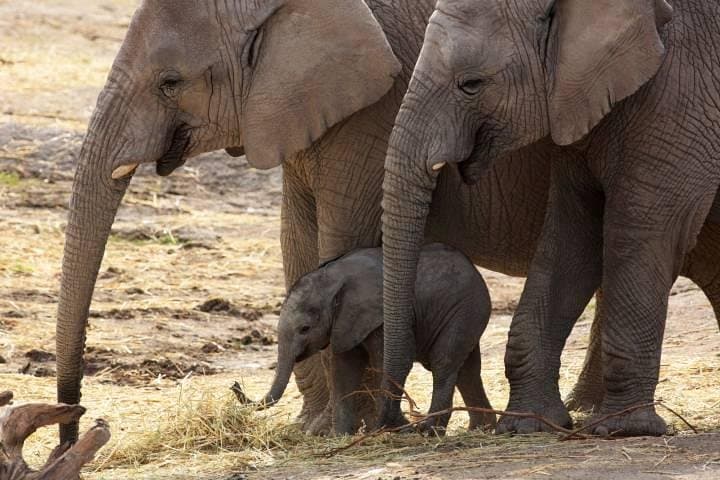
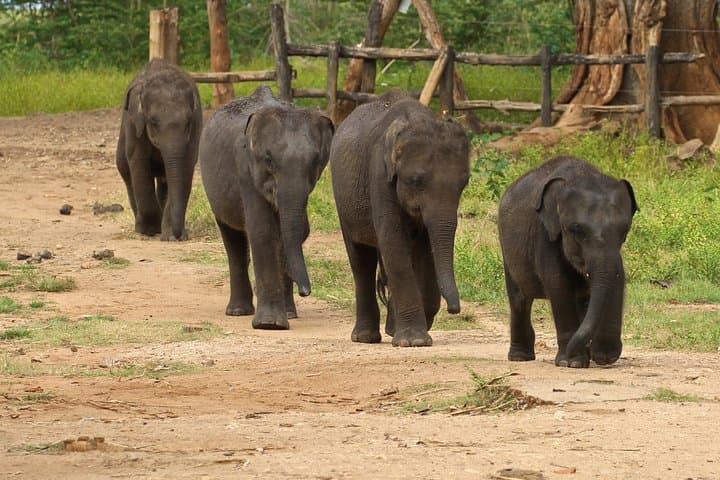
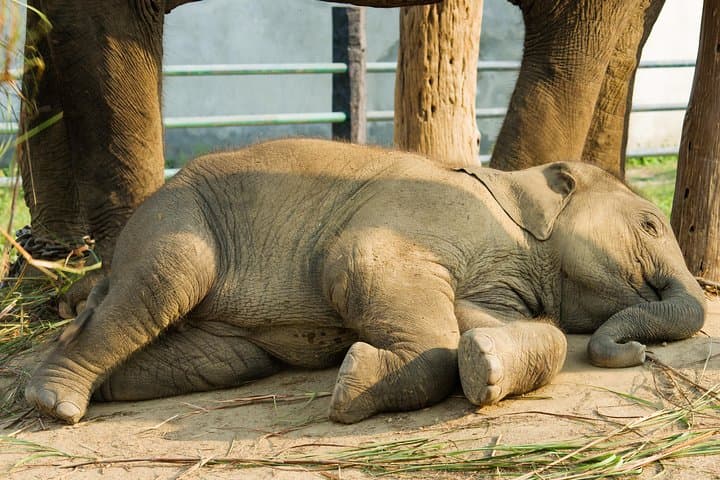
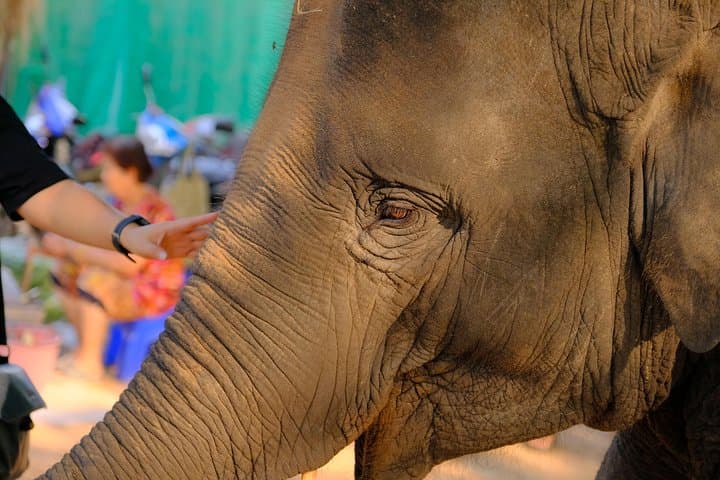
Morning light filters through tamarind and acacia as the van leaves Agra’s bustle and the road thins into fields. The scent of wet earth and crushed grass grows stronger; somewhere ahead the low rumble of elephants punctures the air. Visitors arrive at the Wildlife SOS Elephant Conservation and Care Center to watch rescued animals move at their own pace—grazing across open grass, heading to shallow pools, or resting under shade trees.
Morning light filters through tamarind and acacia as the van leaves Agra’s bustle and the road thins into fields. The scent of wet earth and crushed grass grows stronger; somewhere ahead the low rumble of elephants punctures the air. Visitors arrive at the Wildlife SOS Elephant Conservation and Care Center to watch rescued animals move at their own pace—grazing across open grass, heading to shallow pools, or resting under shade trees.
The center was established in 2010 in partnership with the state government to rehabilitate elephants rescued from abusive labor and entertainment industries. It now cares for roughly 20 animals, offering large enclosures, bathing pools and daily supervised walks that aim to recreate natural rhythms rather than spectacle. Geologically the region is plains country—flat, loamy soils that support grasses and scattered woodlands that elephants use for shade and foraging. Culturally, the center links to northern India’s long history with elephants in religious, agricultural and ceremonial roles, while pushing a modern conservation ethic.
Practically, the tour is a 3–4 hour round trip from Agra with hotel pickup and private transport included. Guests meet guides and caretakers for a behind-the-scenes orientation, observe feeding and bathing routines, and learn veterinary and enrichment practices. Photography is welcome but keep movements slow and voices low—animals respond to energy. Wear closed-toe shoes, sun protection and expect unpaved walks; the site is family-friendly and accessible for most fitness levels. Respect staff guidance: interactions are supervised and designed for animal welfare, not novelty. The experience is equal parts education and quiet observation, offering a close, responsible look at one of India’s largest land mammals.