THE ADVENTURE COLLECTIVE® · Independent discovery and booking for outdoor travel

Spend four hours feeding, mud-treating and river-bathing rescued Asian elephants near Chiang Rai. This hands-on sanctuary visit combines education about rescue and care with a tactile, water-based experience.
Spend four hours feeding, mud-treating and river-bathing rescued Asian elephants near Chiang Rai. This hands-on sanctuary visit combines education about rescue and care with a tactile, water-based experience.
The road out of Chiang Rai opens into green: rubber and tea plantations slide past the minivan windows, humidity lifting as the sanctuary appears — low wooden shelters, a ribbon of river, elephants moving with deliberate curiosity. You step out with mahout clothing supplied, the smell of wet earth and sugarcane in the air, and an immediate sense that this is hands-on care rather than a performance.
Verified experiences and guided adventures in the surrounding area.
Operated by Yada Travel Chiang Rai · Chiang Rai, Chiang Rai
The road out of Chiang Rai opens into green: rubber and tea plantations slide past the minivan windows, humidity lifting as the sanctuary appears — low wooden shelters, a ribbon of river, elephants moving with deliberate curiosity. You step out with mahout clothing supplied, the smell of wet earth and sugarcane in the air, and an immediate sense that this is hands-on care rather than a performance.
Northern Thailand’s elephants have a long cultural history as working partners for transport and logging; more recently, shifting economies and logging bans have pushed many animals into precarious situations. Sanctuaries near Chiang Rai focus on rescue and rehabilitation, using mud-spa and river-bathing sessions to protect fragile skin and provide enrichment. The landscape here is low hills and river terraces carved by seasonal monsoons — a practical stage for gentle, water-based interaction.
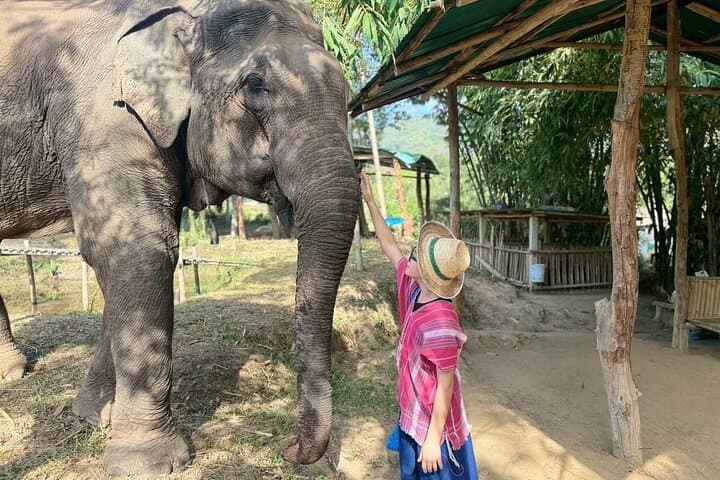
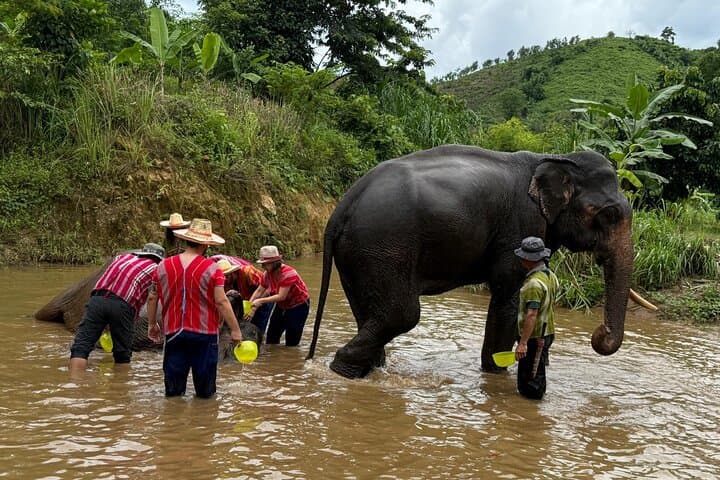
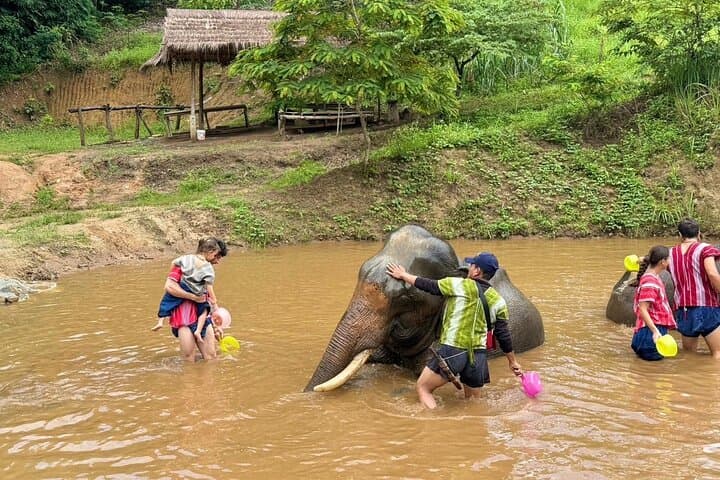
Expect a structured four-hour program: arrival and orientation, feeding with fruit and sugarcane, a mud spa to soothe skin, then guided bathing in the river, followed by a home-cooked Thai lunch. Practicalities matter: you’ll get wet, you’ll handle sticky fruit, and you’ll be moving around uneven, muddy ground. Guides explain each elephant’s rescue story and the basics of mahout care, so the experience mixes learning with tactile involvement.
Bring quick-dry clothes, secure footwear, and a dry bag for valuables. Plan for morning or late-afternoon slots to avoid the hottest sun. This is a close, educational wildlife encounter focused on welfare — engage respectfully, follow guides’ instructions, and you’ll leave with a clearer view of conservation in action.
easy.
4 hours.
Suitable for most fitness levels; requires basic mobility for uneven, muddy terrain
Yes — the program includes a mud spa and river bathing; plan to change clothes and bring waterproof storage for valuables.
The activity is family-friendly but supervised; follow guide age rules and keep young children close and under continuous adult supervision.
Hotel pickup and drop-off in Chiang Rai are included; confirm your pickup point during booking.
Yes — feeding with approved fruits and guided contact are part of the program, always under mahout supervision to ensure safety and animal welfare.
Elephants have been part of northern Thai livelihoods for centuries; recent conservation efforts focus on rescuing animals from logging, entertainment, and distressing work.
Sanctuaries here prioritize non-riding, hands-on care and public education; follow rules to minimize stress on animals and support ethical tourism.
Yada Travel Chiang Rai operates guided outdoor trips and adventures with an emphasis on safety, stewardship, and memorable experiences.
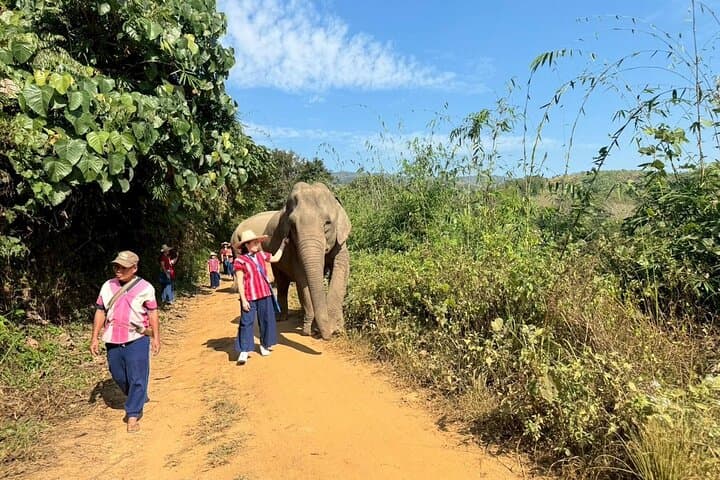
The road out of Chiang Rai opens into green: rubber and tea plantations slide past the minivan windows, humidity lifting as the sanctuary appears — low wooden shelters, a ribbon of river, elephants moving with deliberate curiosity. You step out with mahout clothing supplied, the smell of wet earth and sugarcane in the air, and an immediate sense that this is hands-on care rather than a performance.
The road out of Chiang Rai opens into green: rubber and tea plantations slide past the minivan windows, humidity lifting as the sanctuary appears — low wooden shelters, a ribbon of river, elephants moving with deliberate curiosity. You step out with mahout clothing supplied, the smell of wet earth and sugarcane in the air, and an immediate sense that this is hands-on care rather than a performance.
Northern Thailand’s elephants have a long cultural history as working partners for transport and logging; more recently, shifting economies and logging bans have pushed many animals into precarious situations. Sanctuaries near Chiang Rai focus on rescue and rehabilitation, using mud-spa and river-bathing sessions to protect fragile skin and provide enrichment. The landscape here is low hills and river terraces carved by seasonal monsoons — a practical stage for gentle, water-based interaction.
Expect a structured four-hour program: arrival and orientation, feeding with fruit and sugarcane, a mud spa to soothe skin, then guided bathing in the river, followed by a home-cooked Thai lunch. Practicalities matter: you’ll get wet, you’ll handle sticky fruit, and you’ll be moving around uneven, muddy ground. Guides explain each elephant’s rescue story and the basics of mahout care, so the experience mixes learning with tactile involvement.
Bring quick-dry clothes, secure footwear, and a dry bag for valuables. Plan for morning or late-afternoon slots to avoid the hottest sun. This is a close, educational wildlife encounter focused on welfare — engage respectfully, follow guides’ instructions, and you’ll leave with a clearer view of conservation in action.