THE ADVENTURE COLLECTIVE® · Independent discovery and booking for outdoor travel

Glide through Sète’s harbor and canals on an electrically assisted paddleboard. This guided one-hour outing combines effortless forward motion with close-up views of the Mediterranean shore and the town’s historic canals.
Glide through Sète’s harbor and canals on an electrically assisted paddleboard. This guided one-hour outing combines effortless forward motion with close-up views of the Mediterranean shore and the town’s historic canals.
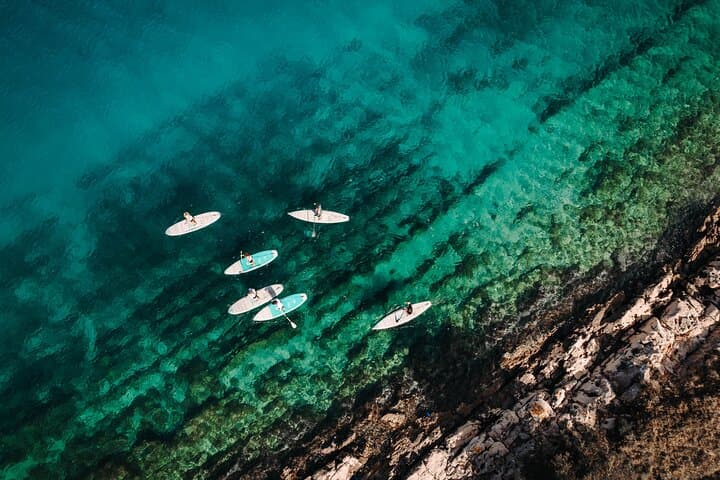
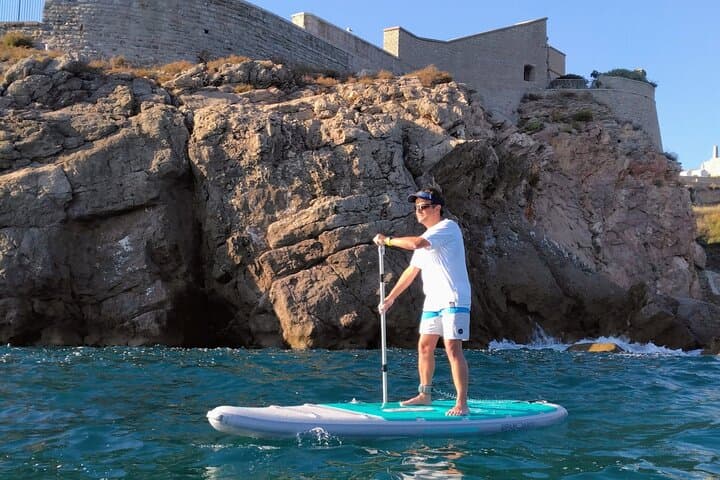
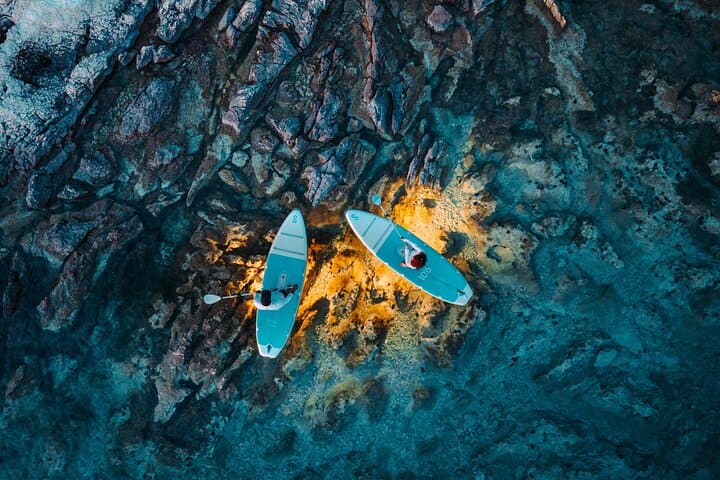
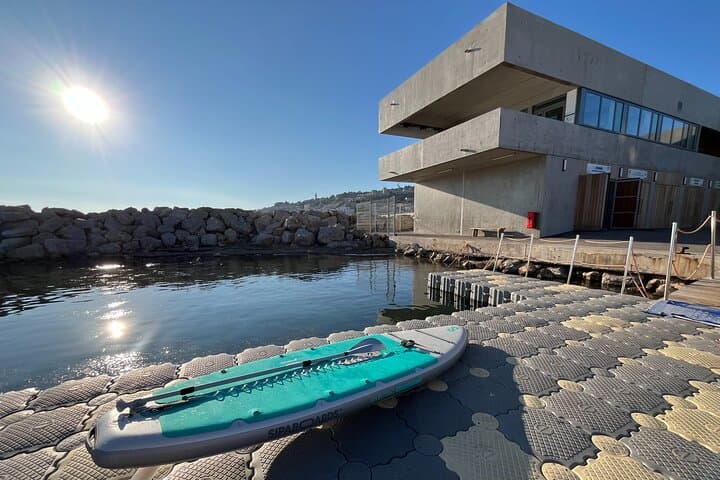
Dawn breaks across Sète and the harbor wakes with the creak of moorings and the hiss of seawater against quay stones. On an electrically assisted paddleboard the sea feels patient and persuasive—the board’s small motor taking the edge off every stroke while gulls and fishermen mark the rhythm. Participants meet at the nautical base, receive a concise briefing, then glide either into the open Mediterranean or along the low, intimate canals that earned Sète the nickname “Venice of Languedoc.”
Verified experiences and guided adventures in the surrounding area.
Operated by KAYAKMED · Sète, Occitanie
Dawn breaks across Sète and the harbor wakes with the creak of moorings and the hiss of seawater against quay stones. On an electrically assisted paddleboard the sea feels patient and persuasive—the board’s small motor taking the edge off every stroke while gulls and fishermen mark the rhythm. Participants meet at the nautical base, receive a concise briefing, then glide either into the open Mediterranean or along the low, intimate canals that earned Sète the nickname “Venice of Languedoc.”
Sète is a working port founded in the 17th century to link the Étang de Thau and the sea; its coastline is a mix of sandy bars, shallow lagoons, and hard-port infrastructure. Geologically, the area sits on lagoonal and marine deposits—shallow waters and posidonia meadows influence where boards can go. Culturally, the town is defined by fishing, oyster beds, and a compact life of quays and seafood markets; paddling here is as much a civic swim as a coastal cruise.
The guided one-hour session (groups up to six) starts with classic paddle technique and the specific controls for the e-paddle. Expect sheltered stretches in the canals and more open exposure if weather permits. Practical notes: wear a personal flotation device, closed-toe water shoes, and sun protection; check local wind forecasts and arrive 15 minutes early for lockers and changing rooms. Operators encourage low wake near seagrass and local boats—respect marine life and keep the experience low-impact. For a short, high-reward water outing with minimal paddling strain, Sète’s electric boards deliver easy access to coastal views and canal-side character.
moderate.
1 hour.
Moderate fitness; basic balance and comfort in water recommended
No; the session includes instruction in classic paddle technique and e-paddle controls, making it suitable for beginners with basic balance.
The operator may cancel in high wind or rough seas—full refunds are typically available if cancelled 24 hours prior or due to unsafe conditions.
Yes; the base provides lockers, changing rooms and warm showers for guests.
Children may join if they meet the operator’s minimum age and safety requirements and can follow instructor guidance; check with the provider before booking.
Sète developed in the 17th century as a maritime link between inland waterways and the Mediterranean, growing into a tightly focused fishing and oyster-farming town.
Posidonia seagrass beds are ecologically sensitive—operators ask paddlers to avoid shallow meadows and minimize wake to protect habitat.
KAYAKMED operates guided outdoor trips and adventures with an emphasis on safety, stewardship, and memorable experiences.
Dawn breaks across Sète and the harbor wakes with the creak of moorings and the hiss of seawater against quay stones. On an electrically assisted paddleboard the sea feels patient and persuasive—the board’s small motor taking the edge off every stroke while gulls and fishermen mark the rhythm. Participants meet at the nautical base, receive a concise briefing, then glide either into the open Mediterranean or along the low, intimate canals that earned Sète the nickname “Venice of Languedoc.”
Dawn breaks across Sète and the harbor wakes with the creak of moorings and the hiss of seawater against quay stones. On an electrically assisted paddleboard the sea feels patient and persuasive—the board’s small motor taking the edge off every stroke while gulls and fishermen mark the rhythm. Participants meet at the nautical base, receive a concise briefing, then glide either into the open Mediterranean or along the low, intimate canals that earned Sète the nickname “Venice of Languedoc.”
Sète is a working port founded in the 17th century to link the Étang de Thau and the sea; its coastline is a mix of sandy bars, shallow lagoons, and hard-port infrastructure. Geologically, the area sits on lagoonal and marine deposits—shallow waters and posidonia meadows influence where boards can go. Culturally, the town is defined by fishing, oyster beds, and a compact life of quays and seafood markets; paddling here is as much a civic swim as a coastal cruise.
The guided one-hour session (groups up to six) starts with classic paddle technique and the specific controls for the e-paddle. Expect sheltered stretches in the canals and more open exposure if weather permits. Practical notes: wear a personal flotation device, closed-toe water shoes, and sun protection; check local wind forecasts and arrive 15 minutes early for lockers and changing rooms. Operators encourage low wake near seagrass and local boats—respect marine life and keep the experience low-impact. For a short, high-reward water outing with minimal paddling strain, Sète’s electric boards deliver easy access to coastal views and canal-side character.