THE ADVENTURE COLLECTIVE® · Independent discovery and booking for outdoor travel

Cross the Electric River Valley on an alpine day trek from El Chaltén to Pollone Lagoon and Lake Eléctrico. Expect moraine ridges, lenga forest, and one of the closest non-technical views of Fitz Roy’s north face.
Cross the Electric River Valley on an alpine day trek from El Chaltén to Pollone Lagoon and Lake Eléctrico. Expect moraine ridges, lenga forest, and one of the closest non-technical views of Fitz Roy’s north face.
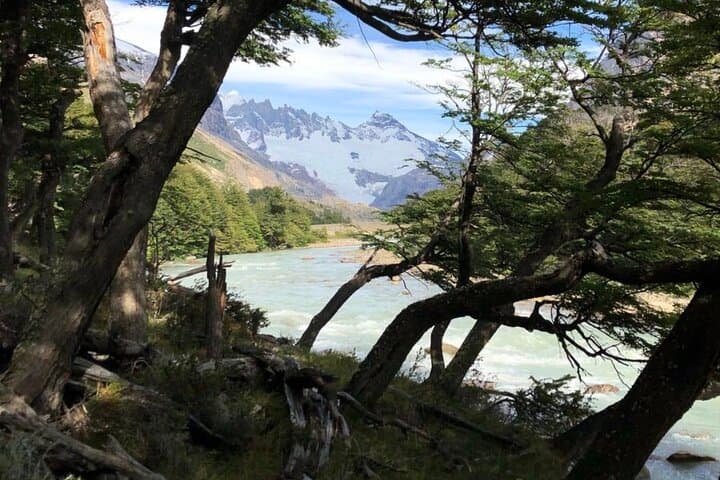
You step out of the van into cold, clean air and the valley stretches wide before you — a braided river daring you to cross while moraine ridges mark the glacier’s former reach.
Verified experiences and guided adventures in the surrounding area.
Operated by Rutas Andinas · El Chaltén, Santa Cruz
You step out of the van into cold, clean air and the valley stretches wide before you — a braided river daring you to cross while moraine ridges mark the glacier’s former reach.
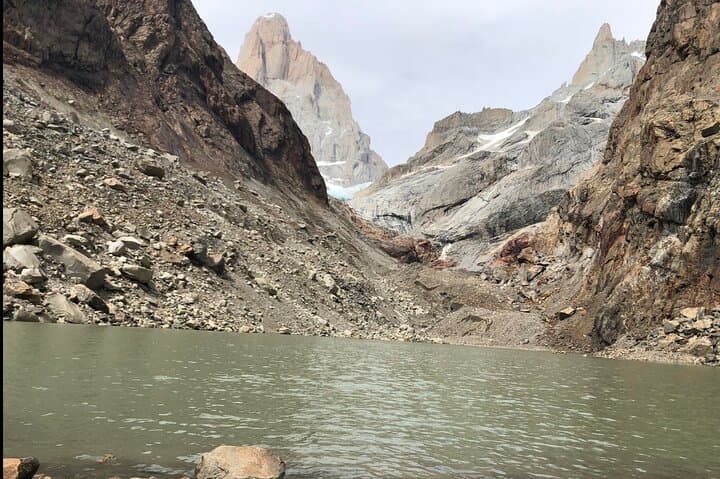
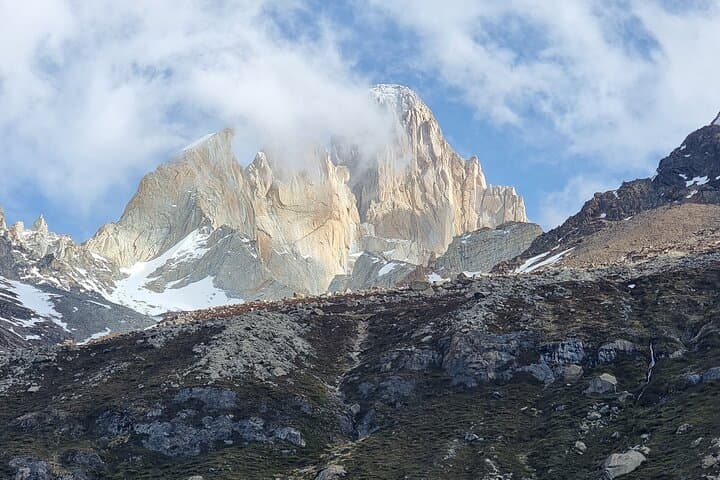
This full-day alpine crossing moves from lenga forest into open, rugged terrain. The trail negotiates successive frontal moraines left by Pleistocene ice, then opens to Pollone Lagoon and the reflective surface of Lake Eléctrico. The route delivers one of the closest non-technical perspectives on the north face of the Fitz Roy massif, granite walls that draw the eye and measure the weather.
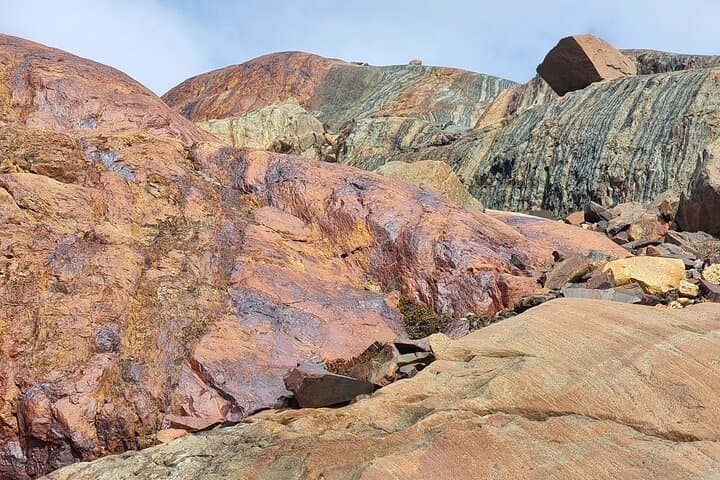
The landscape is shaped by glacial geology: stacked moraines, polished bedrock, and kettle ponds that record the glacier’s retreat. Culturally, this corner of Los Glaciares National Park sits in the broader Patagonian frontier once traversed by Tehuelche hunters and later surveyed by European explorers; the place still favors silence over spectacle.
Expect 8–10 hours on trail with mixed footing — forest tracks, rocky moraines, and wet meadow approaches. Water is abundant but treatable; weather shifts fast and wind can push across the valley. Practical prep matters: sturdy boots, layered insulation, sun protection, and a daypack with 2–3 liters of water. Use trekking poles for balance on loose moraine and plan for early starts to avoid afternoon wind and cloud build-up.
Leave no trace: stay on established paths, pack out waste, and respect seasonal closures. The payoff is quiet alpine space, glacier-formed landforms within arm’s reach, and a direct, muscular view of Fitz Roy that rewards steady effort.
challenging.
8–10 hours.
Good endurance for long alpine day hikes; comfortable on uneven terrain and loose rock
The route is a long day (8–10 hours) with mixed terrain — expect sustained hiking over moraines and uneven ground; moderate fitness required.
This trek provides close views of the north face but does not include technical climbing; any ascent of Fitz Roy requires technical mountaineering skills and permits.
Private transportation and a guide are included in the advertised tour; confirm pickup point when booking.
The operator may cancel in severe conditions; the listed policy indicates all sales are final and excursions can be canceled for bad weather.
The valley’s moraines and polished bedrock record Pleistocene glaciation; the area later became part of pathways used by indigenous Tehuelche peoples and early surveyors.
This sector is sensitive to trampling; stick to trails, avoid new campsites, and carry out all waste to protect fragile alpine soils.
Rutas Andinas operates guided outdoor trips and adventures with an emphasis on safety, stewardship, and memorable experiences.
You step out of the van into cold, clean air and the valley stretches wide before you — a braided river daring you to cross while moraine ridges mark the glacier’s former reach.
You step out of the van into cold, clean air and the valley stretches wide before you — a braided river daring you to cross while moraine ridges mark the glacier’s former reach.
This full-day alpine crossing moves from lenga forest into open, rugged terrain. The trail negotiates successive frontal moraines left by Pleistocene ice, then opens to Pollone Lagoon and the reflective surface of Lake Eléctrico. The route delivers one of the closest non-technical perspectives on the north face of the Fitz Roy massif, granite walls that draw the eye and measure the weather.
The landscape is shaped by glacial geology: stacked moraines, polished bedrock, and kettle ponds that record the glacier’s retreat. Culturally, this corner of Los Glaciares National Park sits in the broader Patagonian frontier once traversed by Tehuelche hunters and later surveyed by European explorers; the place still favors silence over spectacle.
Expect 8–10 hours on trail with mixed footing — forest tracks, rocky moraines, and wet meadow approaches. Water is abundant but treatable; weather shifts fast and wind can push across the valley. Practical prep matters: sturdy boots, layered insulation, sun protection, and a daypack with 2–3 liters of water. Use trekking poles for balance on loose moraine and plan for early starts to avoid afternoon wind and cloud build-up.
Leave no trace: stay on established paths, pack out waste, and respect seasonal closures. The payoff is quiet alpine space, glacier-formed landforms within arm’s reach, and a direct, muscular view of Fitz Roy that rewards steady effort.