THE ADVENTURE COLLECTIVE® · Independent discovery and booking for outdoor travel

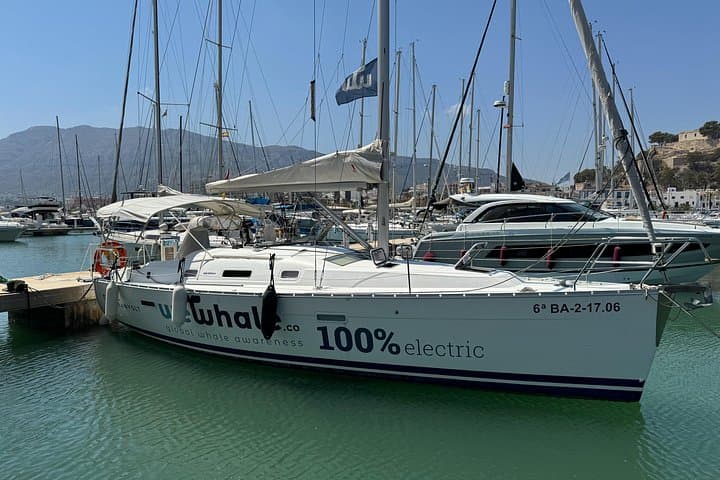
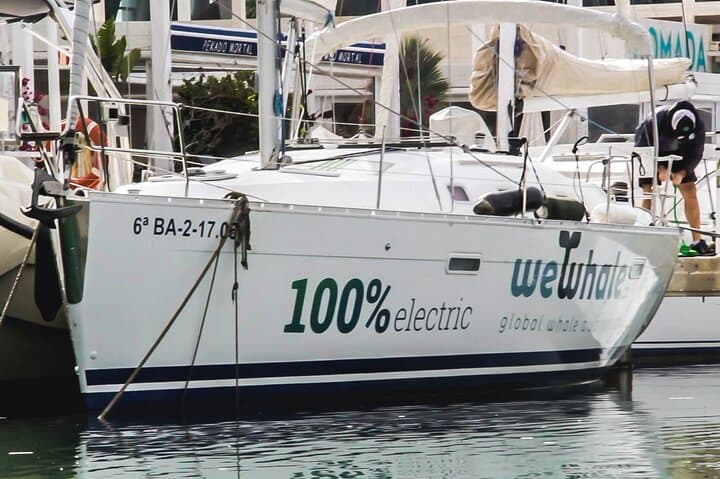
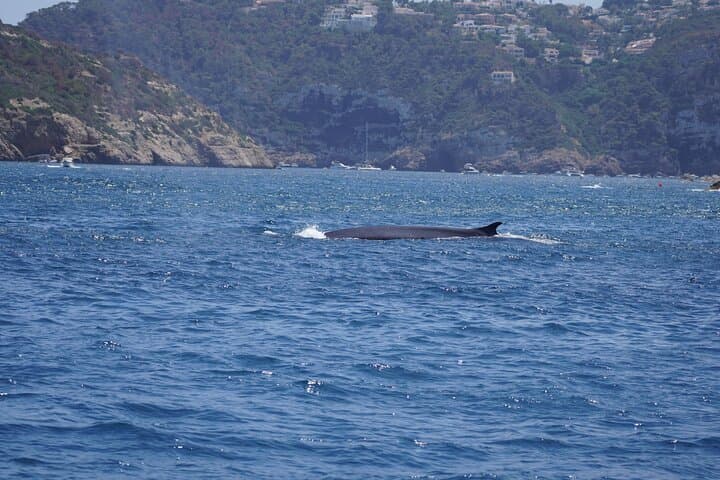
Glide past limestone cliffs on a 100% electric sailboat at sunset to watch bottlenose dolphins and fin whales near Cabo de San Antonio. Quiet propulsion, a hydrophone, and an expert marine guide make this a low-impact wildlife encounter.
Glide past limestone cliffs on a 100% electric sailboat at sunset to watch bottlenose dolphins and fin whales near Cabo de San Antonio. Quiet propulsion, a hydrophone, and an expert marine guide make this a low-impact wildlife encounter.
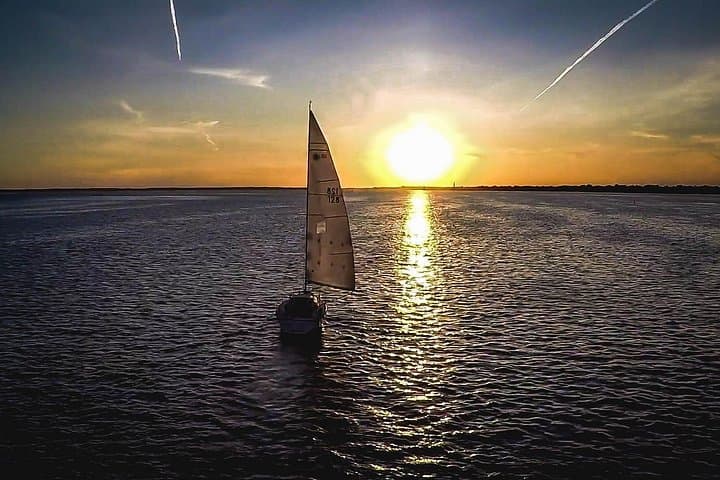
The boat slips away from Denia’s low quay as the light thins, an electric sailboat gliding almost without a wake while the horizon flushes copper. Passengers settle against the rail, binoculars raised, as the hydrophone is lowered and the sea—momentarily—seems to hold its breath.
Verified experiences and guided adventures in the surrounding area.
Operated by WeWhale · Dénia, Alicante
The boat slips away from Denia’s low quay as the light thins, an electric sailboat gliding almost without a wake while the horizon flushes copper. Passengers settle against the rail, binoculars raised, as the hydrophone is lowered and the sea—momentarily—seems to hold its breath.
This stretch of the Costa Blanca sits where Miocene limestone cliffs meet the Mediterranean, and Cabo de San Antonio’s underwater relief creates currents and upwellings that concentrate life. Historically a fishing frontier for Denia’s mariners, the headland is now part of a marine reserve protecting reef fish, coralline beds and the cetaceans that follow them. The tour combines natural history with local maritime culture: guides explain why fin whales and bottlenose dolphins pass here and how quieter electric propulsion reduces disturbance.
Expect a small-group outing of roughly 2.5 hours at sunset, launched from Denia harbor and skirting the reserve’s shallower reefs and deeper channels where sightings are likelier. The atmosphere is deliberate and low-noise—the crew uses a hydrophone to share whale calls and points out behaviors rather than chase animals.
Practically, bring a light wind shell, camera with a zoom, and seasickness remedies if you’re prone—sunset light is fleeting and best photographed from the lee side. Boarding is easy for most travelers; infants sit on laps. The operator enforces a respectful viewing distance to minimize impact. If you want quiet wildlife watching with contemporary gear and a local marine guide, this electric evening cruise is both an accessible and conscientious way to meet the Mediterranean’s wild residents.
easy.
2–3 hours.
Suitable for most fitness levels; minimal mobility required for boarding and moving around the deck
Most departures board from Denia’s main harbor; exact meeting details are provided at booking.
Common sightings include bottlenose dolphins and, less frequently, fin whales; sightings can never be guaranteed.
Yes—this small-group tour accommodates infants (who must sit on laps) and is rated easy for all fitness levels.
Tours are cancellable for a full refund if called off for weather; cancel at least 24 hours prior for a standard full refund.
Denia has long been a maritime town; the harbor and nearby castle reflect centuries of fishing, trade, and seafaring traditions tied to the cape.
Cabo de San Antonio is a designated marine reserve—operators follow distance rules and quiet-running practices to minimize disturbance and protect habitats.
WeWhale operates guided outdoor trips and adventures with an emphasis on safety, stewardship, and memorable experiences.
The boat slips away from Denia’s low quay as the light thins, an electric sailboat gliding almost without a wake while the horizon flushes copper. Passengers settle against the rail, binoculars raised, as the hydrophone is lowered and the sea—momentarily—seems to hold its breath.
The boat slips away from Denia’s low quay as the light thins, an electric sailboat gliding almost without a wake while the horizon flushes copper. Passengers settle against the rail, binoculars raised, as the hydrophone is lowered and the sea—momentarily—seems to hold its breath.
This stretch of the Costa Blanca sits where Miocene limestone cliffs meet the Mediterranean, and Cabo de San Antonio’s underwater relief creates currents and upwellings that concentrate life. Historically a fishing frontier for Denia’s mariners, the headland is now part of a marine reserve protecting reef fish, coralline beds and the cetaceans that follow them. The tour combines natural history with local maritime culture: guides explain why fin whales and bottlenose dolphins pass here and how quieter electric propulsion reduces disturbance.
Expect a small-group outing of roughly 2.5 hours at sunset, launched from Denia harbor and skirting the reserve’s shallower reefs and deeper channels where sightings are likelier. The atmosphere is deliberate and low-noise—the crew uses a hydrophone to share whale calls and points out behaviors rather than chase animals.
Practically, bring a light wind shell, camera with a zoom, and seasickness remedies if you’re prone—sunset light is fleeting and best photographed from the lee side. Boarding is easy for most travelers; infants sit on laps. The operator enforces a respectful viewing distance to minimize impact. If you want quiet wildlife watching with contemporary gear and a local marine guide, this electric evening cruise is both an accessible and conscientious way to meet the Mediterranean’s wild residents.