THE ADVENTURE COLLECTIVE® · Independent discovery and booking for outdoor travel

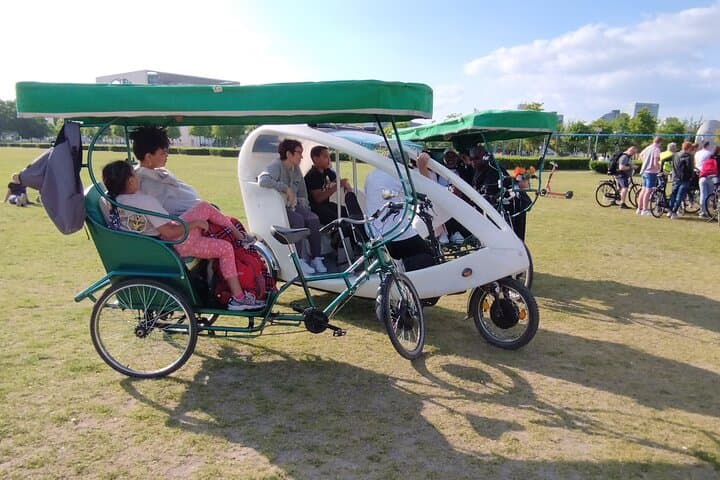
Glide past Brandenburg Gate, fragments of the Berlin Wall and the Tiergarten on an electric-supported rickshaw. This three-hour private tour pairs close-up access with local storytelling—ideal for groups and guests with limited mobility.
Glide past Brandenburg Gate, fragments of the Berlin Wall and the Tiergarten on an electric-supported rickshaw. This three-hour private tour pairs close-up access with local storytelling—ideal for groups and guests with limited mobility.
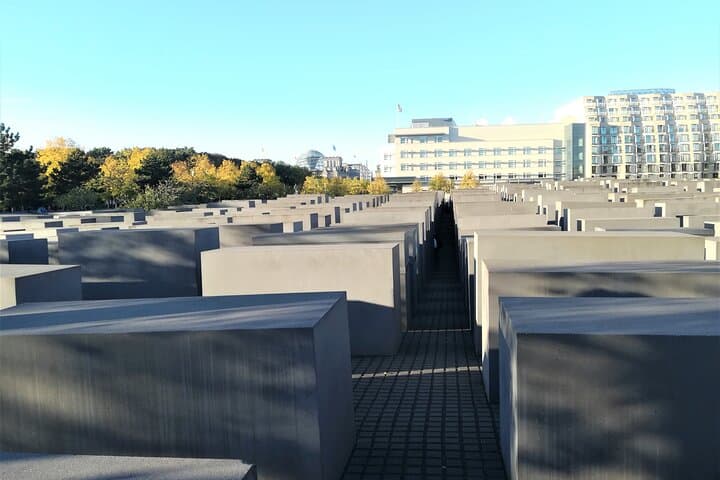
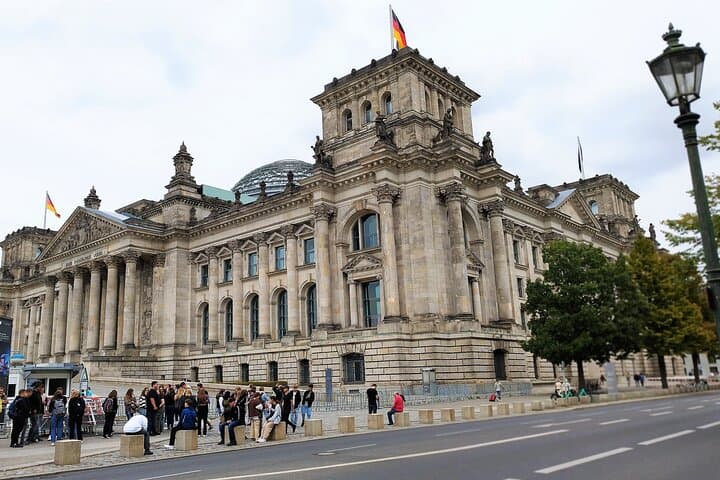
A slow electric whir carries the rickshaw along broad avenues as the Brandenburg Gate slides into view—stone columns cool beneath an open winter sky or a summer sun. Passengers sit elevated, street-level anecdotes pouring from a local guide who points out the Reichstag's glass dome, the angled modernism of Potsdamer Platz and the quiet, grid-like rows of the Holocaust Memorial.
Verified experiences and guided adventures in the surrounding area.
Operated by Berlin-Rickshaw / Berlin-Excursions · Berlin, Berlin
A slow electric whir carries the rickshaw along broad avenues as the Brandenburg Gate slides into view—stone columns cool beneath an open winter sky or a summer sun. Passengers sit elevated, street-level anecdotes pouring from a local guide who points out the Reichstag's glass dome, the angled modernism of Potsdamer Platz and the quiet, grid-like rows of the Holocaust Memorial.
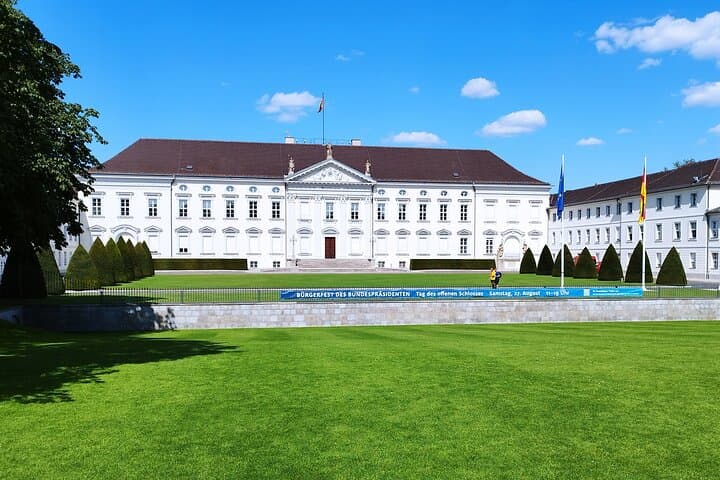
This three-hour route threads Berlin’s 20th-century history into its present: fragments of the Berlin Wall and the Topography of Terror recall division and violence, while the rebuilt government quarter and Bellevue Palace reflect reunification and civic renewal. Geologically flat river plains open into the Tiergarten, once hunting ground, now a green lung cut by the Spree. Cultural notes—Prussian architecture, postwar reconstruction, alternative street art—surface between monuments.
Expect an easily paced, interpretive sightseeing format rather than strenuous activity. The electric-assist rickshaw minimizes effort and makes close-up stops possible, including photo-ready pulls at checkpoints and park lanes. Guides typically offer multilingual narration and can accommodate limited-mobility guests, allowing near access to façades and memorials without long walks.
Practical guidance: book morning slots to avoid peak crowds and tram traffic, bring a lightweight jacket for river breezes and reliable footwear for short dismounts. Carry a charged camera or phone—the tour is structured around visual landmarks—and confirm pick-up in central Mitte. The experience blends efficient urban transport with curated history, a compact way to absorb Berlin’s layered cityscape in comfort.
easy.
3 hours.
Suitable for all fitness levels; minimal walking required but expect short dismounts for photos.
Yes—operators provide a simple transfer system; guests with limited mobility can board with minimal steps and the tour can stay seated for many photo stops.
Each rickshaw accommodates up to two or three passengers; private bookings can include multiple rickshaws to fit groups of up to six.
Yes—guides commonly speak English and may offer Dutch and Turkish; specify language preference when booking.
Full refunds are typically available if you cancel at least 24 hours before departure; check your booking confirmation for specifics.
The route traverses sites central to Berlin’s 20th-century history: the divided city line, the Nazi-era Topography of Terror, and the post-reunification Bundestag renovation.
Electric-assisted rickshaws reduce local emissions and road congestion; visitors are asked to respect memorials, stick to paths in Tiergarten and avoid littering.
Berlin-Rickshaw / Berlin-Excursions operates guided outdoor trips and adventures with an emphasis on safety, stewardship, and memorable experiences.
A slow electric whir carries the rickshaw along broad avenues as the Brandenburg Gate slides into view—stone columns cool beneath an open winter sky or a summer sun. Passengers sit elevated, street-level anecdotes pouring from a local guide who points out the Reichstag's glass dome, the angled modernism of Potsdamer Platz and the quiet, grid-like rows of the Holocaust Memorial.
A slow electric whir carries the rickshaw along broad avenues as the Brandenburg Gate slides into view—stone columns cool beneath an open winter sky or a summer sun. Passengers sit elevated, street-level anecdotes pouring from a local guide who points out the Reichstag's glass dome, the angled modernism of Potsdamer Platz and the quiet, grid-like rows of the Holocaust Memorial.
This three-hour route threads Berlin’s 20th-century history into its present: fragments of the Berlin Wall and the Topography of Terror recall division and violence, while the rebuilt government quarter and Bellevue Palace reflect reunification and civic renewal. Geologically flat river plains open into the Tiergarten, once hunting ground, now a green lung cut by the Spree. Cultural notes—Prussian architecture, postwar reconstruction, alternative street art—surface between monuments.
Expect an easily paced, interpretive sightseeing format rather than strenuous activity. The electric-assist rickshaw minimizes effort and makes close-up stops possible, including photo-ready pulls at checkpoints and park lanes. Guides typically offer multilingual narration and can accommodate limited-mobility guests, allowing near access to façades and memorials without long walks.
Practical guidance: book morning slots to avoid peak crowds and tram traffic, bring a lightweight jacket for river breezes and reliable footwear for short dismounts. Carry a charged camera or phone—the tour is structured around visual landmarks—and confirm pick-up in central Mitte. The experience blends efficient urban transport with curated history, a compact way to absorb Berlin’s layered cityscape in comfort.