THE ADVENTURE COLLECTIVE® · Independent discovery and booking for outdoor travel

Glide by the Aurelian Walls, walk the basalt slabs of the Appian Way and descend into the Catacombs of St. Sebastian on this 2.5‑hour electric golf cart tour from central Rome. Small groups, headsets, and a compact itinerary make it an efficient primer on Rome’s imperial and early Christian layers.
Glide by the Aurelian Walls, walk the basalt slabs of the Appian Way and descend into the Catacombs of St. Sebastian on this 2.5‑hour electric golf cart tour from central Rome. Small groups, headsets, and a compact itinerary make it an efficient primer on Rome’s imperial and early Christian layers.
You meet at a small office a short stroll from the Pantheon, the city’s cobbles humming beneath your wheels as the electric golf cart slips through narrow streets. Within minutes the traffic thins, the Aurelian Walls rise like a chapter break, and the cart glides past the Baths of Caracalla. A viewpoint above Circus Maximus unfurls a sweep of Palatine Hill; the city exhales.
Verified experiences and guided adventures in the surrounding area.
Operated by Biga Tours · Rome, Lazio
You meet at a small office a short stroll from the Pantheon, the city’s cobbles humming beneath your wheels as the electric golf cart slips through narrow streets. Within minutes the traffic thins, the Aurelian Walls rise like a chapter break, and the cart glides past the Baths of Caracalla. A viewpoint above Circus Maximus unfurls a sweep of Palatine Hill; the city exhales.
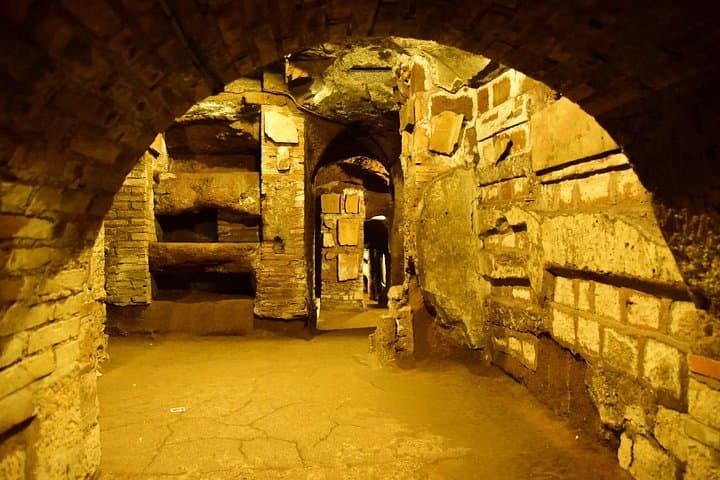
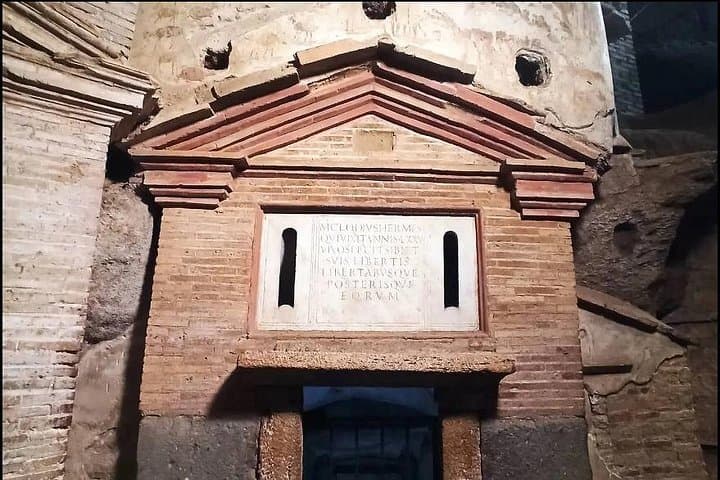
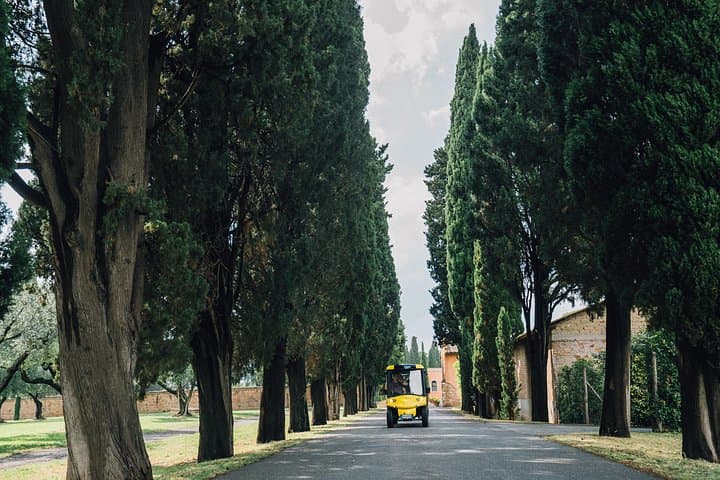
The Appian Way arrives next — ancient basalt slabs underfoot that have borne legions since 312 BC when Appius Claudius ordered the road built. Here the pavement remembers coaches and pilgrims; mausoleums and ruins of villas punctuate the landscape. The Catacombs of St. Sebastian take you below the surface for a guided 30–35 minute descent into cool, low-lit galleries carved from soft tuff where early Christian burials and fresco fragments tell a quiet history of Rome’s communities between the 2nd and 5th centuries.
Geology shows in the stone: travertine facades, tuff tunnels, and dark, durable basalt (‘sampietrini’) on the Appian. Culturally, the route stitches imperial power, Christian heritage, and rural Roman life in a compact loop.
Practical notes: the tour lasts about 2.5 hours, runs in small groups with headsets, and uses 7-seat electric carts that travel together. Wear sturdy shoes for the Appian cobbles and adequate layers — the catacombs are cool year-round. Photography is allowed above ground; flash is typically prohibited underground. Arrive early at the meeting point, bring water (one provided) and a light jacket for the subterranean sections.
easy.
2–3 hours.
Suitable for most fitness levels; includes short walks on uneven cobbles and a descent into low-ceiling catacombs.
The tour meets near the Pantheon/Largo Argentina area; plan to arrive 15 minutes early to check in and ensure a prompt departure.
The operator notes wheelchair accessibility for the transportation and meeting area, but catacombs have stairs and low tunnels that are not wheelchair-friendly; check accessibility needs when booking.
For safety infants under 2 years are not permitted; children 2–12 are allowed and car seats/boosters are available on request.
Photography rules vary by site; flash is typically prohibited to protect pigments—follow the guide’s instructions underground.
The Via Appia was begun in 312 BC as Rome’s strategic road; the catacombs were carved from tuff and used as burial sites by early Christians and other communities across the 2nd–5th centuries.
Groups are kept small and guided to reduce impact; visitors should stay on paths, avoid touching frescoes, and follow photography rules to help preserve delicate archaeological and human remains.
Biga Tours operates guided outdoor trips and adventures with an emphasis on safety, stewardship, and memorable experiences.
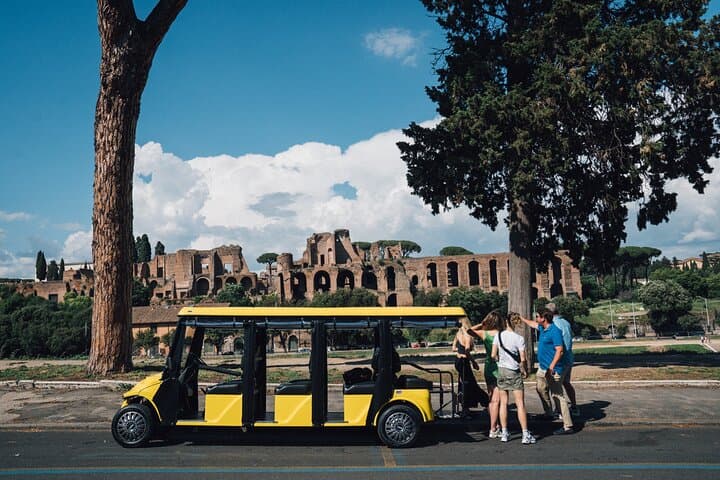
You meet at a small office a short stroll from the Pantheon, the city’s cobbles humming beneath your wheels as the electric golf cart slips through narrow streets. Within minutes the traffic thins, the Aurelian Walls rise like a chapter break, and the cart glides past the Baths of Caracalla. A viewpoint above Circus Maximus unfurls a sweep of Palatine Hill; the city exhales.
You meet at a small office a short stroll from the Pantheon, the city’s cobbles humming beneath your wheels as the electric golf cart slips through narrow streets. Within minutes the traffic thins, the Aurelian Walls rise like a chapter break, and the cart glides past the Baths of Caracalla. A viewpoint above Circus Maximus unfurls a sweep of Palatine Hill; the city exhales.
The Appian Way arrives next — ancient basalt slabs underfoot that have borne legions since 312 BC when Appius Claudius ordered the road built. Here the pavement remembers coaches and pilgrims; mausoleums and ruins of villas punctuate the landscape. The Catacombs of St. Sebastian take you below the surface for a guided 30–35 minute descent into cool, low-lit galleries carved from soft tuff where early Christian burials and fresco fragments tell a quiet history of Rome’s communities between the 2nd and 5th centuries.
Geology shows in the stone: travertine facades, tuff tunnels, and dark, durable basalt (‘sampietrini’) on the Appian. Culturally, the route stitches imperial power, Christian heritage, and rural Roman life in a compact loop.
Practical notes: the tour lasts about 2.5 hours, runs in small groups with headsets, and uses 7-seat electric carts that travel together. Wear sturdy shoes for the Appian cobbles and adequate layers — the catacombs are cool year-round. Photography is allowed above ground; flash is typically prohibited underground. Arrive early at the meeting point, bring water (one provided) and a light jacket for the subterranean sections.