THE ADVENTURE COLLECTIVE® · Independent discovery and booking for outdoor travel

Ride fat-tire electric bikes through narrow village lanes and Tegalalang’s famous terraces on a three-hour guided tour from Ubud. Expect coffee stops, a visit to a traditional house, and easy electric-assist climbs on mostly dirt paths.
Ride fat-tire electric bikes through narrow village lanes and Tegalalang’s famous terraces on a three-hour guided tour from Ubud. Expect coffee stops, a visit to a traditional house, and easy electric-assist climbs on mostly dirt paths.
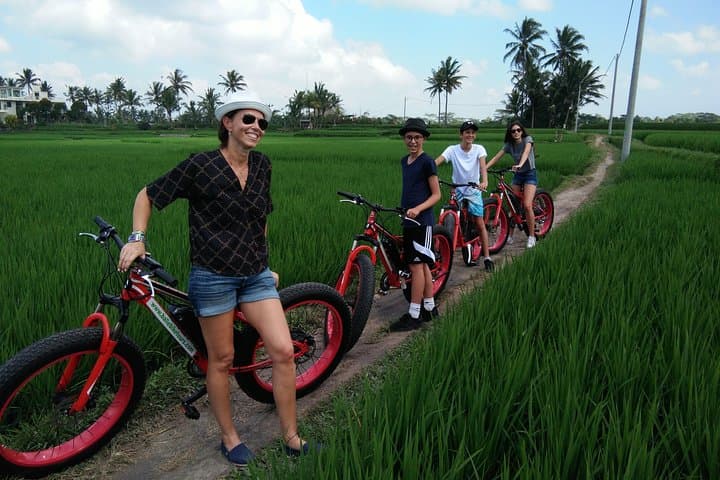
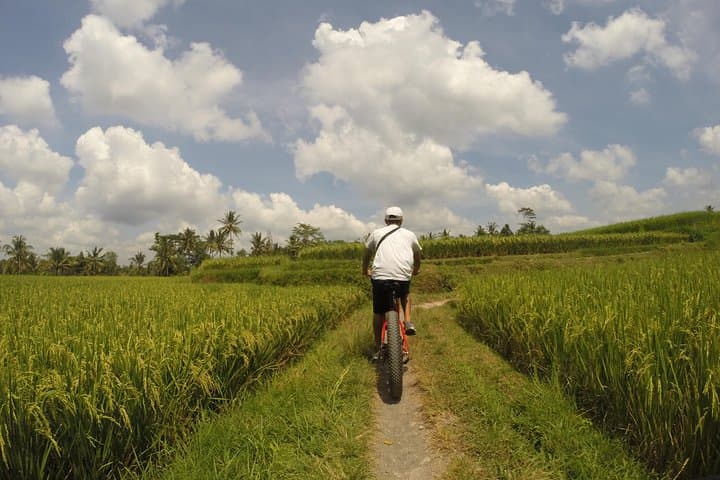
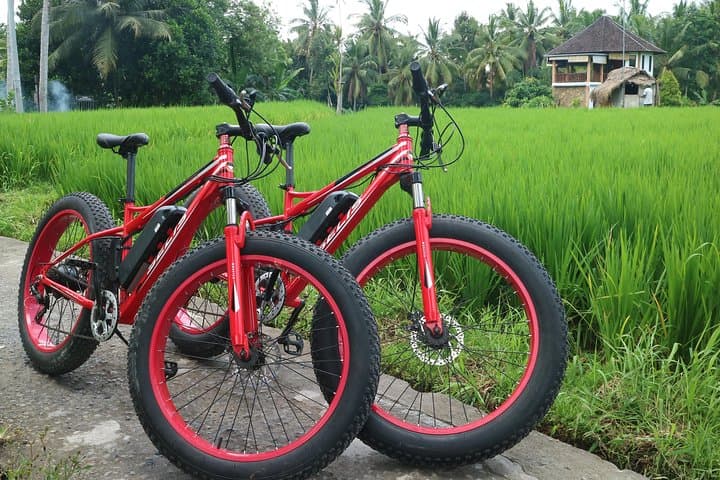
The morning air on the lane into Ubud is humid and bright; the rice paddies lap at the shoulders of the path and the electric motor gives a soft, confident push when the slope steepens. You start from a small shop where guides tune fat-tire e-bikes and hand out helmets, then slip into a network of narrow village lanes that cut through coconut groves, family compounds and irrigation channels.
Verified experiences and guided adventures in the surrounding area.
Operated by Bali Ebike tours · Ubud, Bali
The morning air on the lane into Ubud is humid and bright; the rice paddies lap at the shoulders of the path and the electric motor gives a soft, confident push when the slope steepens. You start from a small shop where guides tune fat-tire e-bikes and hand out helmets, then slip into a network of narrow village lanes that cut through coconut groves, family compounds and irrigation channels.
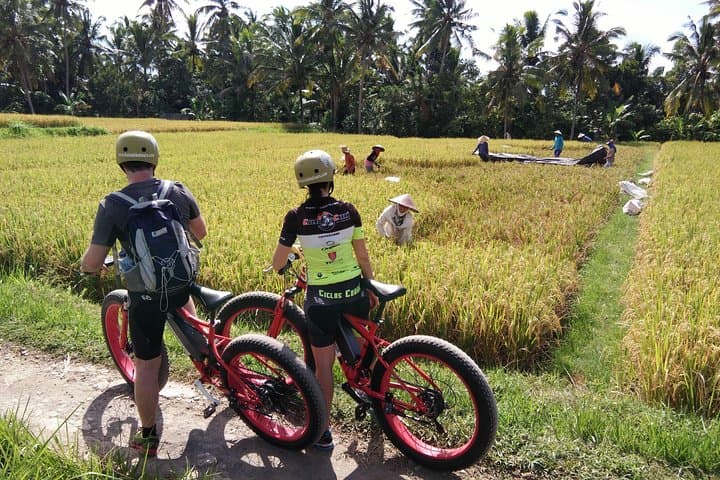
These routes follow living irrigation systems (subak) used for centuries across Bali, and you’ll pass terraced fields at Tegalalang—an emblem of the island’s wet-rice agriculture—plus lesser-known tracks at Sok Wayah and Gagah that show how local farmers still shape the land. Geologically, the area is volcanic clay and ancient alluvium, which makes the paths soft after rain and gives the terraces their layered profile. Along the way guides explain Balinese compound life and the coffee-plantation economy that brought Luwak coffee to global attention.
Practically, the tour is three hours with hotel pickup within Ubud. Expect short, mostly flat stretches and occasional steep ramps where the electric assist saves energy; fat tires handle rough, broken track and muddy patches. Stops include a traditional house for a fresh fruit salad, photo viewpoints at the terraces, and a final tasting at a coffee stall. Wear sturdy shoes, bring sun protection and a small daypack for water and camera. Morning departures avoid the heat and afternoon showers. For riders with moderate fitness and basic bike handling, this is an accessible, sensory way to read the rhythms of rice-country life while staying comfortably powered.
moderate.
3 hours.
Moderate—able to ride 2–3 hours on varied dirt and paved paths with occasional short climbs; electric assist reduces sustained exertion.
Moderate fitness is recommended—electric assist handles hills but you should be comfortable riding 2–3 hours on mixed surfaces and be able to mount/dismount on uneven ground.
Policies vary by operator, but most require riders to meet minimum age and size for the fat-tire e-bikes; check when booking and inform the operator about children in your group.
Tours may be cancelled for heavy rain for safety; light rain typically continues but guides will advise and provide basic rain protection when possible.
Yes—hotel pick-up and drop-off within Ubud is included in the tour price, with a meeting at the operator’s shop to fit bikes and helmets before departure.
The terraces at Tegalalang are part of Bali’s subak irrigation system, a communal water-management tradition dating back centuries and recognized for its cultural landscape.
Stick to marked paths, avoid stepping on young rice shoots, and take all litter back to Ubud—agriculture here is sensitive to trampling and plastic pollution.
Bali Ebike tours operates guided outdoor trips and adventures with an emphasis on safety, stewardship, and memorable experiences.
The morning air on the lane into Ubud is humid and bright; the rice paddies lap at the shoulders of the path and the electric motor gives a soft, confident push when the slope steepens. You start from a small shop where guides tune fat-tire e-bikes and hand out helmets, then slip into a network of narrow village lanes that cut through coconut groves, family compounds and irrigation channels.
The morning air on the lane into Ubud is humid and bright; the rice paddies lap at the shoulders of the path and the electric motor gives a soft, confident push when the slope steepens. You start from a small shop where guides tune fat-tire e-bikes and hand out helmets, then slip into a network of narrow village lanes that cut through coconut groves, family compounds and irrigation channels.
These routes follow living irrigation systems (subak) used for centuries across Bali, and you’ll pass terraced fields at Tegalalang—an emblem of the island’s wet-rice agriculture—plus lesser-known tracks at Sok Wayah and Gagah that show how local farmers still shape the land. Geologically, the area is volcanic clay and ancient alluvium, which makes the paths soft after rain and gives the terraces their layered profile. Along the way guides explain Balinese compound life and the coffee-plantation economy that brought Luwak coffee to global attention.
Practically, the tour is three hours with hotel pickup within Ubud. Expect short, mostly flat stretches and occasional steep ramps where the electric assist saves energy; fat tires handle rough, broken track and muddy patches. Stops include a traditional house for a fresh fruit salad, photo viewpoints at the terraces, and a final tasting at a coffee stall. Wear sturdy shoes, bring sun protection and a small daypack for water and camera. Morning departures avoid the heat and afternoon showers. For riders with moderate fitness and basic bike handling, this is an accessible, sensory way to read the rhythms of rice-country life while staying comfortably powered.