THE ADVENTURE COLLECTIVE® · Independent discovery and booking for outdoor travel

Ride an electric bike around Inishmore to reach cliff-top forts, the Worm Hole, and quiet coastal lanes. This full-day self-guided loop blends short climbs, limestone terrain, and living Gaelic culture with the convenience of pedal-assist.
Ride an electric bike around Inishmore to reach cliff-top forts, the Worm Hole, and quiet coastal lanes. This full-day self-guided loop blends short climbs, limestone terrain, and living Gaelic culture with the convenience of pedal-assist.
The morning ferry spits you out on a windswept quay and the island opens like a map of stone and sea. Saddle an electric bike in Kilronan and the little motor does the heavy breathing for you as you roll onto limestone tracks, past low drystone walls and peat-smoke-scented cottages. The road curves toward the west cliffs and, soon, Dún Aonghasa stakes its claim: a prehistoric fort perched on a near-vertical drop where Atlantic wind-driven waves hurl themselves against the rocks below.
Verified experiences and guided adventures in the surrounding area.
Operated by Ireland Wild Escapes · Kilronan, County Galway
The morning ferry spits you out on a windswept quay and the island opens like a map of stone and sea. Saddle an electric bike in Kilronan and the little motor does the heavy breathing for you as you roll onto limestone tracks, past low drystone walls and peat-smoke-scented cottages. The road curves toward the west cliffs and, soon, Dún Aonghasa stakes its claim: a prehistoric fort perched on a near-vertical drop where Atlantic wind-driven waves hurl themselves against the rocks below.
Inishmore (Inis Mór) carries layers of history — Iron Age forts, early Christian ruins and rows of standing stones embedded in karst pavement. Geologically the island is a slice of Carboniferous limestone; the surface is pitted, drained and dotted with freshwater lakes that local farmers still use. Cultural life remains vibrantly Gaelic: traditional music pours from village pubs, and many residents speak Irish as a first language.
A typical full-day e-bike route covers roughly 20–25 km (12–16 miles) on mostly single-lane paved roads and compacted gravel, with short sharp climbs and total elevation gain generally under 200 m. Expect exposed sections where wind is the dominant terrain feature; a short push over rough rock may be required at some sites.
Practical tips: charge your e-bike battery for a full day, carry layers and rain protection, and plan arrival times around ferry schedules. Helmets, a clear island map and a basic puncture kit will keep the day moving. Respect marked paths around archaeological sites and give seals and nesting birds distance — the island’s wildness is its value and its responsibility.
moderate.
4–6 hours.
Moderate fitness — able to ride 12–16 miles with short periods of manual pushing and some hills.
No advanced skills are required, but basic bike handling and comfort on narrow country roads helps; e-bikes assist on climbs.
Most self-guided full-day loops cover about 20–25 km (12–16 miles) and visit key sites like Dún Aonghasa and the Worm Hole.
Charging options are limited; start with a full battery and check with rental company or local cafes in Kilronan for emergency charging.
Summer offers the most stable weather and longer daylight, but spring and early fall are quieter and still pleasant; be prepared for wind any time of year.
Inis Mór is dotted with prehistoric forts like Dún Aonghasa (a cliff-edge shell midden/fort of Iron Age origin) and long stretches of field walls shaped by centuries of grazing and turf-cutting.
The island’s limestone pavement and fragile archaeological sites require sticking to paths, packing out waste, and avoiding disturbance to breeding seabirds and hauled-out seals.
Ireland Wild Escapes operates guided outdoor trips and adventures with an emphasis on safety, stewardship, and memorable experiences.
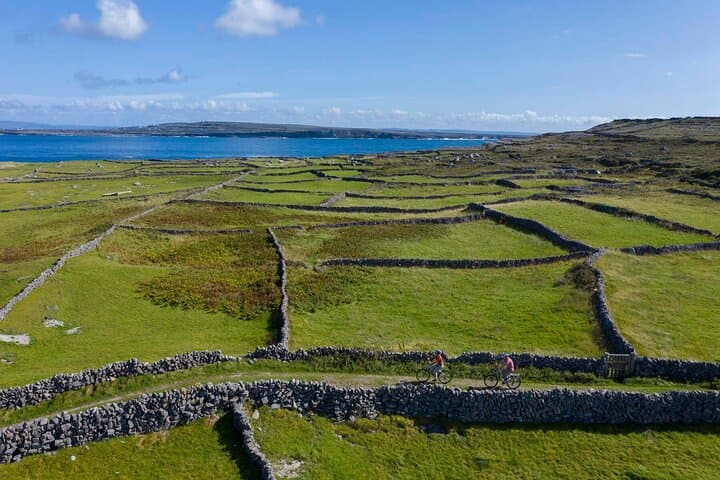
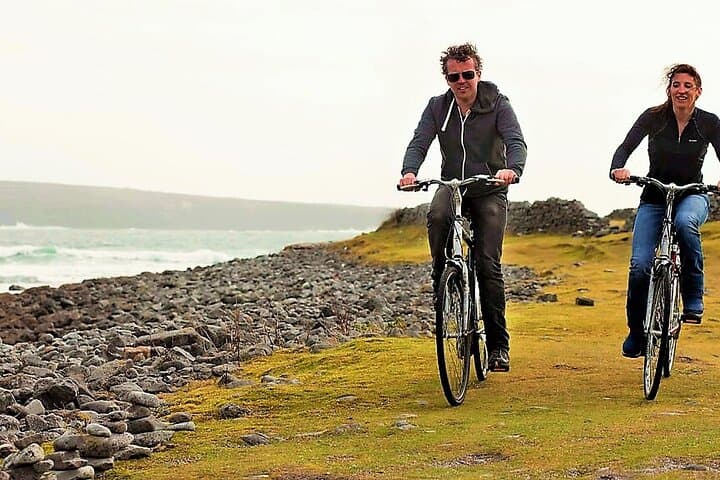
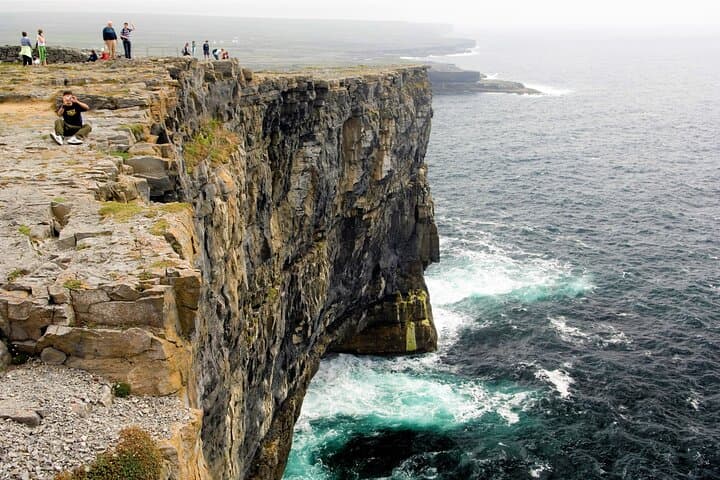
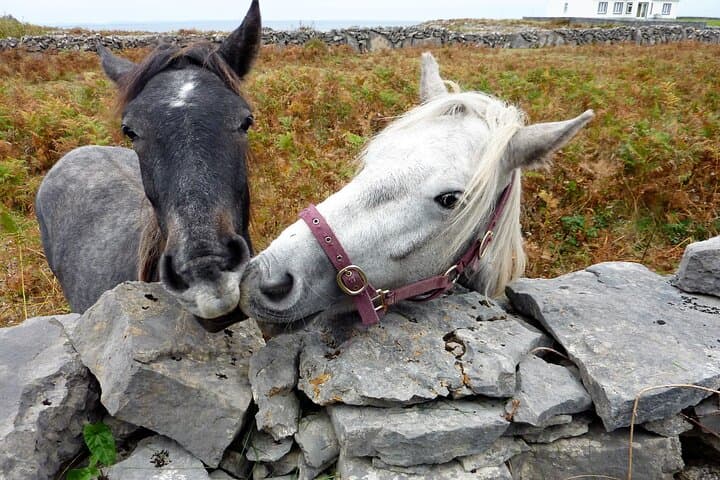
The morning ferry spits you out on a windswept quay and the island opens like a map of stone and sea. Saddle an electric bike in Kilronan and the little motor does the heavy breathing for you as you roll onto limestone tracks, past low drystone walls and peat-smoke-scented cottages. The road curves toward the west cliffs and, soon, Dún Aonghasa stakes its claim: a prehistoric fort perched on a near-vertical drop where Atlantic wind-driven waves hurl themselves against the rocks below.
The morning ferry spits you out on a windswept quay and the island opens like a map of stone and sea. Saddle an electric bike in Kilronan and the little motor does the heavy breathing for you as you roll onto limestone tracks, past low drystone walls and peat-smoke-scented cottages. The road curves toward the west cliffs and, soon, Dún Aonghasa stakes its claim: a prehistoric fort perched on a near-vertical drop where Atlantic wind-driven waves hurl themselves against the rocks below.
Inishmore (Inis Mór) carries layers of history — Iron Age forts, early Christian ruins and rows of standing stones embedded in karst pavement. Geologically the island is a slice of Carboniferous limestone; the surface is pitted, drained and dotted with freshwater lakes that local farmers still use. Cultural life remains vibrantly Gaelic: traditional music pours from village pubs, and many residents speak Irish as a first language.
A typical full-day e-bike route covers roughly 20–25 km (12–16 miles) on mostly single-lane paved roads and compacted gravel, with short sharp climbs and total elevation gain generally under 200 m. Expect exposed sections where wind is the dominant terrain feature; a short push over rough rock may be required at some sites.
Practical tips: charge your e-bike battery for a full day, carry layers and rain protection, and plan arrival times around ferry schedules. Helmets, a clear island map and a basic puncture kit will keep the day moving. Respect marked paths around archaeological sites and give seals and nesting birds distance — the island’s wildness is its value and its responsibility.