THE ADVENTURE COLLECTIVE® · Independent discovery and booking for outdoor travel

Cover more of Paris with less effort: pedal‑assist e-bikes open museum-lined boulevards, river views and neighborhood lanes with quick, practical freedom. This guide covers what to expect, best times to ride and safety basics for first-time e-bike renters.
Cover more of Paris with less effort: pedal‑assist e-bikes open museum-lined boulevards, river views and neighborhood lanes with quick, practical freedom. This guide covers what to expect, best times to ride and safety basics for first-time e-bike renters.
You push off beneath a slate sky, the Seine nudging you along as Paris unwinds — low bridges, chestnut-lined boulevards and the occasional squeak of cobbles. The e-bike’s gentle push lets you move fast enough to see a district in a morning and slow enough to notice doorways, cafés and street art. The city’s flat profile keeps elevation gains minimal; expect mostly paved roads, separated cycle lanes and short stretches of cobblestones near older quarters.
Verified experiences and guided adventures in the surrounding area.
Operated by Onebike · Paris, Île-de-France
You push off beneath a slate sky, the Seine nudging you along as Paris unwinds — low bridges, chestnut-lined boulevards and the occasional squeak of cobbles. The e-bike’s gentle push lets you move fast enough to see a district in a morning and slow enough to notice doorways, cafés and street art. The city’s flat profile keeps elevation gains minimal; expect mostly paved roads, separated cycle lanes and short stretches of cobblestones near older quarters.
Paris wears history on its façades: Haussmann avenues, the Île de la Cité’s medieval stone, and modernist glass at La Défense. Geologically the Île-de-France plain is soft and low-lying, so rides are uninterrupted by steep climbs. Cultural life pivots around cafés, markets and riverbanks — the Seine dares you to stop and watch the city pass. Local habits include yielding to pedestrians and respecting clearly marked bike lanes; you’ll share space with Vélib’ users and delivery couriers.
Practically, rentals typically include helmets, locks, baskets and optional child seats. E-assist in the EU is limited to about 25 km/h and pedal-assist models mean no license is required; batteries commonly provide 40–80 km depending on assist level and rider weight. Plan routes one-way or looped: a 10–20 km day covers the Louvre, Île Saint-Louis, Latin Quarter and along the Seine, while longer days let you reach Montmartre or Bois de Boulogne. Aim for mornings or late afternoons to avoid rush-hour traffic, carry a compact lock, and check charger availability if you plan multi-day use. In short: an e-bike in Paris expands walking range without the sweat, putting history and neighborhood life within easy reach.
easy.
24 hours–30 days.
Suitable for most fitness levels; basic stamina for multi-hour days recommended
No; pedal‑assist e-bikes that cut out at 25 km/h are treated as bicycles in France, so no license is required.
Typical range is 40–80 km depending on assist level, rider weight and terrain; ask staff about battery condition before heading out.
Yes — most rentals include helmets, locks and baskets; child seats are often available on request.
Rules vary by line; folding bikes are easier to board, while full-size e-bikes are generally restricted on metros and some trains during peak hours.
Riding links you to Paris’s layered urban history — Haussmann’s 19th-century boulevards, medieval islands and modern promenades are all approachable by bike.
E-bikes reduce car trips and emissions in dense city centers; follow local rules, use marked parking and avoid blocking sidewalks to minimize impact.
Onebike operates guided outdoor trips and adventures with an emphasis on safety, stewardship, and memorable experiences.
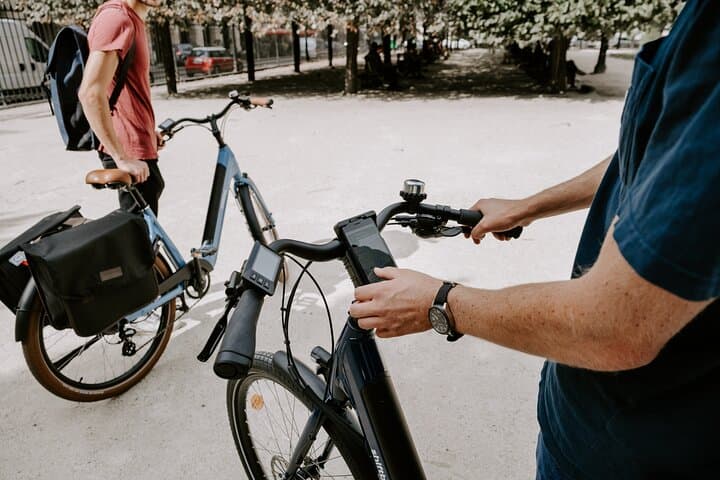
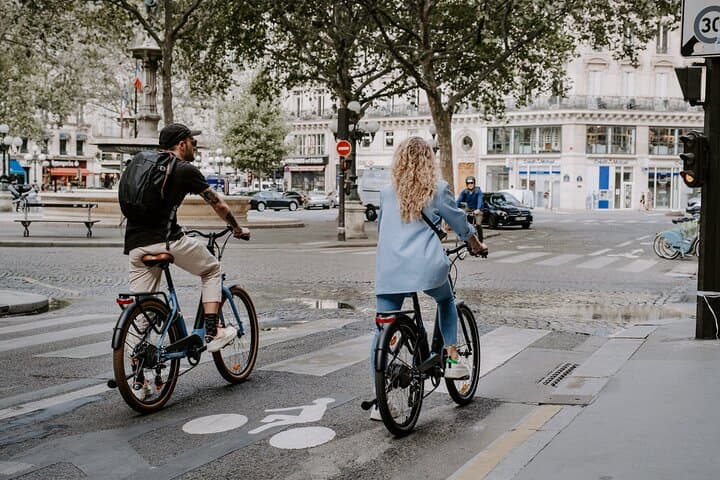
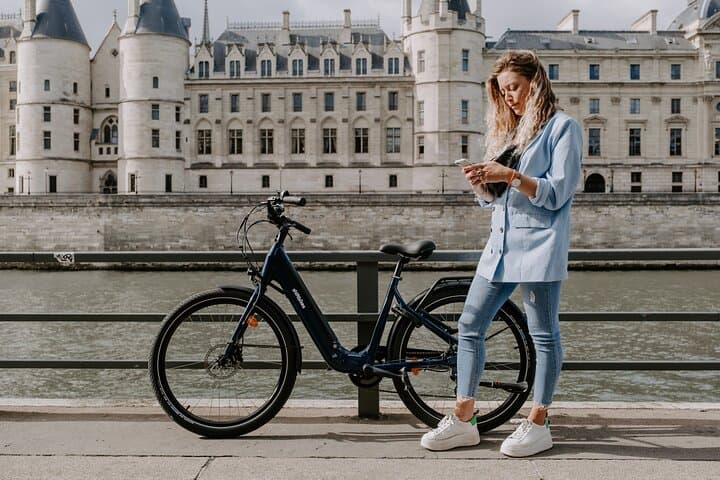
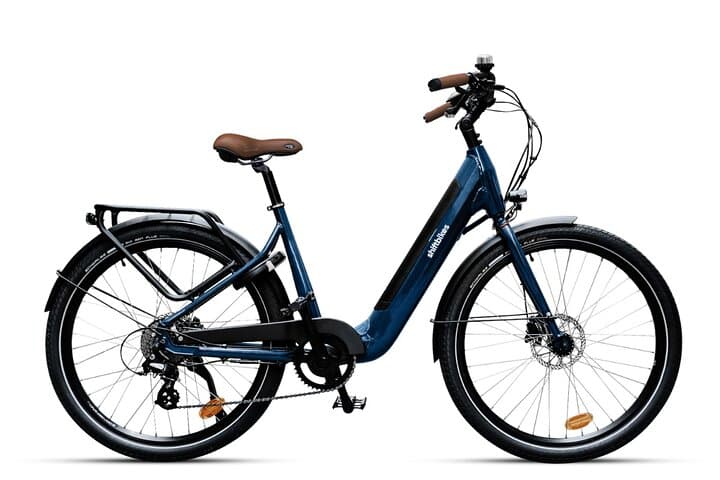
You push off beneath a slate sky, the Seine nudging you along as Paris unwinds — low bridges, chestnut-lined boulevards and the occasional squeak of cobbles. The e-bike’s gentle push lets you move fast enough to see a district in a morning and slow enough to notice doorways, cafés and street art. The city’s flat profile keeps elevation gains minimal; expect mostly paved roads, separated cycle lanes and short stretches of cobblestones near older quarters.
You push off beneath a slate sky, the Seine nudging you along as Paris unwinds — low bridges, chestnut-lined boulevards and the occasional squeak of cobbles. The e-bike’s gentle push lets you move fast enough to see a district in a morning and slow enough to notice doorways, cafés and street art. The city’s flat profile keeps elevation gains minimal; expect mostly paved roads, separated cycle lanes and short stretches of cobblestones near older quarters.
Paris wears history on its façades: Haussmann avenues, the Île de la Cité’s medieval stone, and modernist glass at La Défense. Geologically the Île-de-France plain is soft and low-lying, so rides are uninterrupted by steep climbs. Cultural life pivots around cafés, markets and riverbanks — the Seine dares you to stop and watch the city pass. Local habits include yielding to pedestrians and respecting clearly marked bike lanes; you’ll share space with Vélib’ users and delivery couriers.
Practically, rentals typically include helmets, locks, baskets and optional child seats. E-assist in the EU is limited to about 25 km/h and pedal-assist models mean no license is required; batteries commonly provide 40–80 km depending on assist level and rider weight. Plan routes one-way or looped: a 10–20 km day covers the Louvre, Île Saint-Louis, Latin Quarter and along the Seine, while longer days let you reach Montmartre or Bois de Boulogne. Aim for mornings or late afternoons to avoid rush-hour traffic, carry a compact lock, and check charger availability if you plan multi-day use. In short: an e-bike in Paris expands walking range without the sweat, putting history and neighborhood life within easy reach.