THE ADVENTURE COLLECTIVE® · Independent discovery and booking for outdoor travel

Take a full-day trip from Rethymno to Elafonissi and spend hours in a shallow lagoon of pink-tinged sand and crystalline water. This practical guide explains what to expect on the road, on the sand, and how to prepare for a comfortable, low-impact day.
Take a full-day trip from Rethymno to Elafonissi and spend hours in a shallow lagoon of pink-tinged sand and crystalline water. This practical guide explains what to expect on the road, on the sand, and how to prepare for a comfortable, low-impact day.
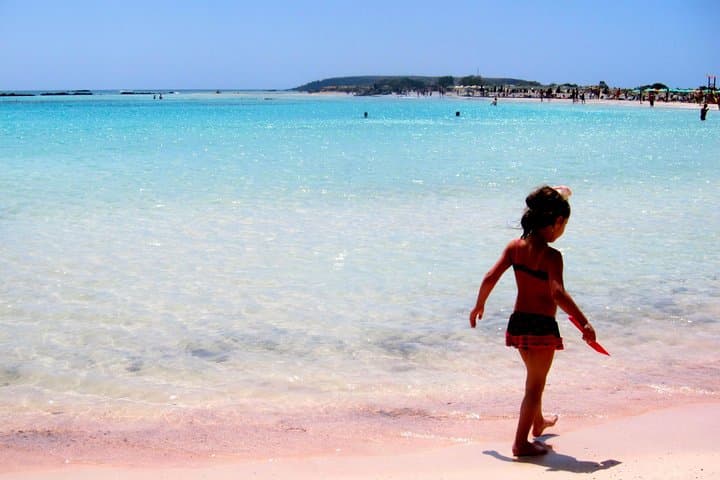
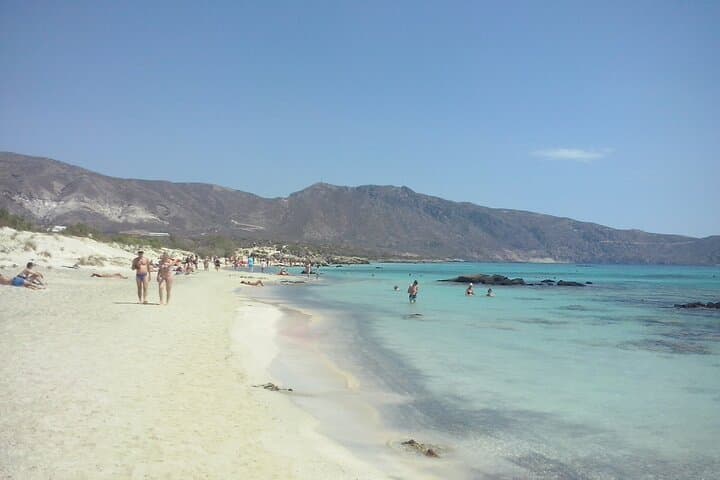
A small coach eases onto the highway and the island of Crete unfurls: low, wind-sculpted hills, dry-stone terraces, and the occasional cedar leaning toward the sea. By midmorning the coastline opens into the shallow lagoon of Elafonissi — a ribbon of pale pink sand and transparent water that invites slow wading and long pauses.
Verified experiences and guided adventures in the surrounding area.
Operated by Markidis Travel · Rethymno, Crete
A small coach eases onto the highway and the island of Crete unfurls: low, wind-sculpted hills, dry-stone terraces, and the occasional cedar leaning toward the sea. By midmorning the coastline opens into the shallow lagoon of Elafonissi — a ribbon of pale pink sand and transparent water that invites slow wading and long pauses.
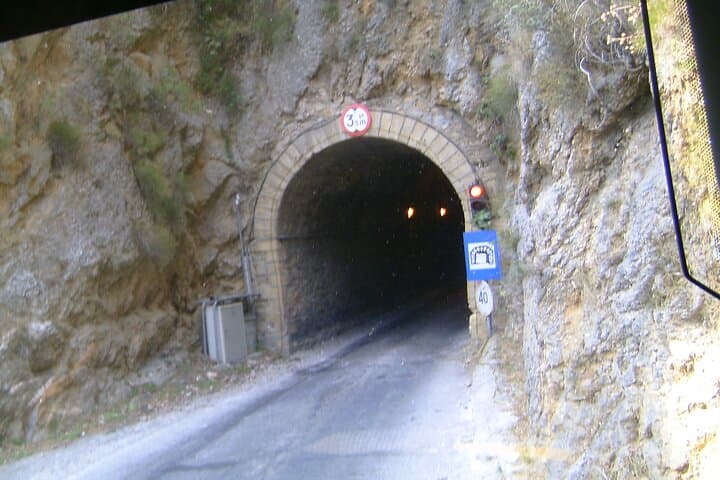
Geologically, Elafonissi is a barrier island formed by shifting sands and Posidonia oceanica seagrass; the pink hue comes from crushed shells and microscopic organisms ground by wind and waves. The route from Rethymno threads traditional villages like Elos and crosses the arid Topolia Gorge, offering a glimpse of rural Cretan life where agriculture and shepherding remain visible rhythms.
Culturally, the southwest of Crete carries a quieter pace than the north coast; taverna lunches and coffee breaks en route are as much part of the day as the beach. Expect basic facilities at the reserve and a mix of sunbathers, families, and small groups exploring the shallows.
Practical guidance: tours typically run as full-day trips (about 10–12 hours including drive time) and give around four hours on-site. Bring reef or water shoes for the shell-strewn shallows, layered sun protection for wind and glare, and a refillable water bottle — services at the beach are limited and can be busy in high season. Arrive early with your group to secure shade if you need it; the shallow lagoon is safest at low wind. For quieter water and softer sand, plan shoulder-season visits in late spring or early fall. Respect protected seagrass beds and local signage — Elafonissi is both playground and fragile habitat.
easy.
10–12 hours.
Suitable for people in average fitness — mostly sitting on the transfer with light walking on sand and shallow wading.
Transfers vary by route and stops but typically take around 2–3 hours each way; expect a full-day itinerary of roughly 10–12 hours.
Yes — basic toilets, umbrella rentals, and small cafes or vendors are available, but choices and hours are limited; plan accordingly.
Yes — the shallow lagoon and gentle entry make it family-friendly, but supervise children closely and bring sun protection and water.
You can swim outside winter months, but water is cold in winter; spring and fall offer milder conditions and fewer crowds.
Elafonissi has been an important local landing and grazing area; nearby settlements date to Venetian and Ottoman periods that shaped western Crete’s rural layout.
The lagoon and surrounding dunes are sensitive — avoid trampling seagrass beds, follow marked paths, and use reef-safe products to reduce local impact.
Markidis Travel operates guided outdoor trips and adventures with an emphasis on safety, stewardship, and memorable experiences.
A small coach eases onto the highway and the island of Crete unfurls: low, wind-sculpted hills, dry-stone terraces, and the occasional cedar leaning toward the sea. By midmorning the coastline opens into the shallow lagoon of Elafonissi — a ribbon of pale pink sand and transparent water that invites slow wading and long pauses.
A small coach eases onto the highway and the island of Crete unfurls: low, wind-sculpted hills, dry-stone terraces, and the occasional cedar leaning toward the sea. By midmorning the coastline opens into the shallow lagoon of Elafonissi — a ribbon of pale pink sand and transparent water that invites slow wading and long pauses.
Geologically, Elafonissi is a barrier island formed by shifting sands and Posidonia oceanica seagrass; the pink hue comes from crushed shells and microscopic organisms ground by wind and waves. The route from Rethymno threads traditional villages like Elos and crosses the arid Topolia Gorge, offering a glimpse of rural Cretan life where agriculture and shepherding remain visible rhythms.
Culturally, the southwest of Crete carries a quieter pace than the north coast; taverna lunches and coffee breaks en route are as much part of the day as the beach. Expect basic facilities at the reserve and a mix of sunbathers, families, and small groups exploring the shallows.
Practical guidance: tours typically run as full-day trips (about 10–12 hours including drive time) and give around four hours on-site. Bring reef or water shoes for the shell-strewn shallows, layered sun protection for wind and glare, and a refillable water bottle — services at the beach are limited and can be busy in high season. Arrive early with your group to secure shade if you need it; the shallow lagoon is safest at low wind. For quieter water and softer sand, plan shoulder-season visits in late spring or early fall. Respect protected seagrass beds and local signage — Elafonissi is both playground and fragile habitat.